O Saki Saki: Why a 2019 Item Song Is Going Viral Again
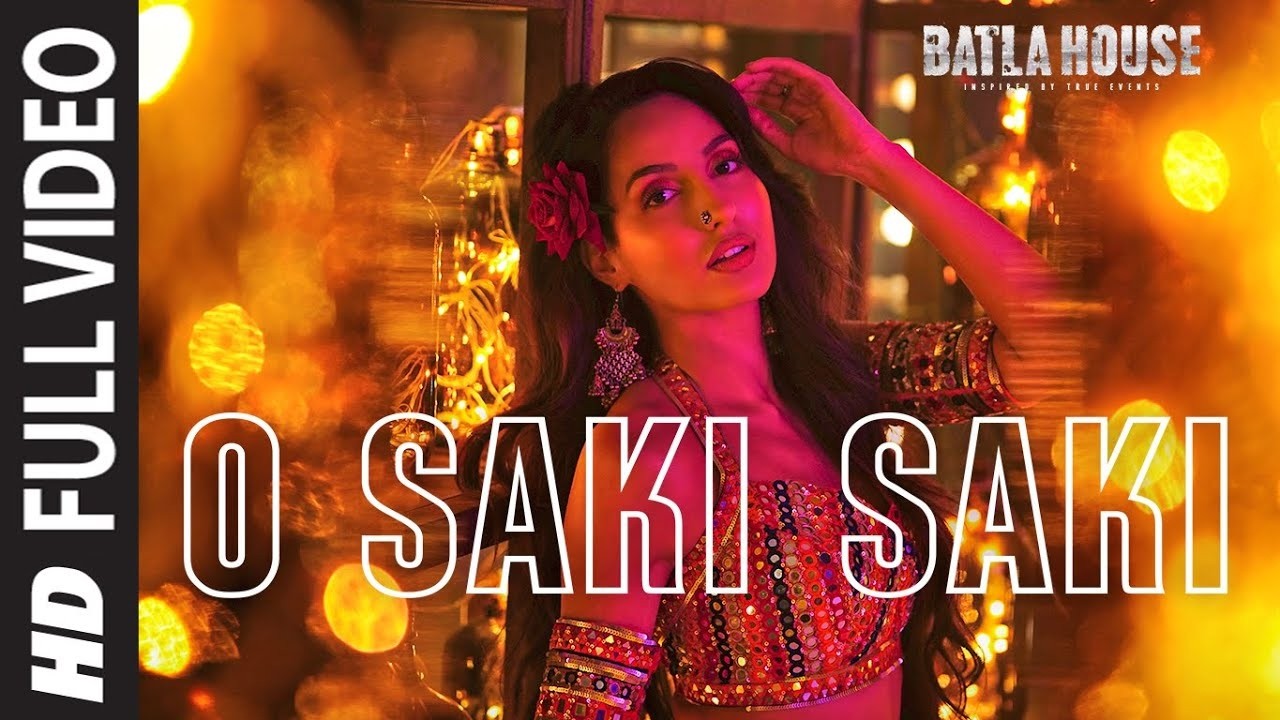
O Saki Saki, the smouldering dance number from the 2019 John Abraham thriller Batla House, is once again climbing YouTube's trending charts — proof that in the streaming age, a hit song rarely retires. Picturised on dancer-actor Nora Fatehi and powered by the voices of Neha Kakkar, Tulsi Kumar and B Praak, the track has racked up the kind of repeat virality that turns a film's promotional item number into a permanent cultural fixture. The question worth asking is not just why it's popular, but why it keeps coming back.
What the song actually is — and isn't
First, the fact that trips up most listeners: O Saki Saki is not an original composition. It is a recreation — Bollywood's polite word for a remake — of "Saaki Saaki" from the 2004 Akshay Kumar–starrer Musafir. That earlier version was composed by the duo Vishal-Shekhar and picturised on Koena Mitra, and it too borrowed its hook from an older Urdu saaqi (cup-bearer) motif that runs through ghazal and qawwali poetry. The word saaki itself is centuries old, a poetic address to the one who pours the wine.
For the 2019 version, composer Tanishk Bagchi reworked the melody and beat for a new generation, while Vishal-Shekhar retain credit as the original composers. So when listeners feel a flicker of déjà vu, they're right — the song carries three layers of history at once: a classical poetic image, a 2004 chartbuster, and a 2019 club-ready rebuild.
Why it is blowing up again
The simplest explanation is the most modern one: short video. O Saki Saki has become a default soundtrack for dance reels, transitions and lip-sync clips across Instagram, YouTube Shorts and similar platforms. Every time a creator uses the audio, the algorithm nudges new viewers back toward the original music video — and the cycle feeds itself.
There are a few distinct forces at play here:
- The Nora Fatehi factor. Her choreography in the track was the moment that vaulted her from background dancer to bankable name. The performance is technically demanding and instantly recognisable, which makes it irresistible for amateur dancers to attempt and post.
- Algorithmic resurfacing. YouTube's recommendation engine rewards watch-time and rewatchability. A polished, high-production music video with a catchy hook is exactly the sort of catalogue content the platform recirculates for years.
- Nostalgia plus novelty. Listeners who grew up with the 2004 version get a hit of recognition, while younger audiences encounter it as a fresh banger. The recreation format is engineered to please both.
None of this requires a new film release or a marketing push. The song simply lives on its own momentum — a reminder that on YouTube, the catalogue often outperforms the new release.
The recreation economy, decoded
O Saki Saki is one node in a much larger business model that reshaped Hindi film music over the last decade. Faced with the cost and risk of breaking brand-new tunes, studios and music labels increasingly reach for songs audiences already love and re-skin them for a new movie. The logic is purely commercial: a familiar melody arrives with built-in recall, lower creative risk and a head start on streaming numbers.
The upside is real. Recreations give old compositions a second commercial life, route fresh royalties to original composers and lyricists, and reliably rack up views. For labels, they are among the safest bets in an unpredictable market.
But the model has sharp critics, and the debate around it is genuinely unresolved:
- For: Reworking a classic introduces it to listeners who would never dig through a 2004 soundtrack, and modern production can make a dated track radio-ready again.
- Against: Many musicians argue it crowds out original songwriting, flattens distinctive arrangements into a uniform club sound, and treats beloved compositions as raw material rather than finished art.
Several prominent composers and singers have publicly pushed back on the trend over the years, arguing that the industry leans on nostalgia because it has grown nervous about backing original work. O Saki Saki, as one of the most successful recreations of its era, inevitably gets cited on both sides of that argument.
The credit-and-consent question
One reason recreations remain contentious is the murky business of rights and recognition. When a song is rebuilt, who must be credited, who must be paid, and who must merely be informed? In the Indian context, copyright in a musical work and its lyrics typically rests with the original composer, lyricist and the label that owns the master — which is why recreations carry the original composers' names alongside the new ones.
Friction tends to arise over the spirit of consent rather than the letter of the law. Original artists have occasionally voiced unhappiness at hearing their work transformed without meaningful creative involvement, even when the paperwork is in order. It is worth stating plainly that, in the case of O Saki Saki, the original composers are formally credited; the broader complaints about the recreation trend are about norms and respect, not specific allegations of wrongdoing here.
Where Nora Fatehi fits in the bigger picture
It is hard to separate the song's staying power from the performer at its centre. Nora Fatehi arrived in India as an outsider — a Canadian dancer of Moroccan heritage — and built a career largely through standout dance numbers rather than conventional leading roles. O Saki Saki was a turning point, cementing a screen persona built on precision movement and high-glamour visuals.
That matters for the virality story because the song and the dancer reinforce each other. Fans don't just stream the audio; they study the choreography, recreate it, and slow it down for tutorials. The performance is, in effect, a piece of dance content as much as a piece of music — and dance content has an unusually long shelf life online. Every new wave of creators discovering the routine sends another ripple back to the source video.
What happens next
Expect more of the same, in a familiar loop. Catalogue hits like this rarely fade cleanly; they ebb and surge as trends rediscover them. A single popular reel, a dance challenge, or a festival-season playlist can be enough to spike the numbers all over again, which is precisely what appears to be happening now.
For the wider industry, O Saki Saki's endurance sends a double-edged signal. To labels, it confirms that recreations and dance-driven tracks are dependable long-term assets worth the licensing cost. To the artists wary of the trend, it is fresh evidence that the system keeps rewarding the familiar over the new — and that the incentive to write a genuinely original chartbuster keeps shrinking.
The likeliest near-term outcome is more recreations of 2000s-era hits, more dance-led promotion, and more old songs engineered for a second viral life. Whether that's a celebration of India's pop heritage or a creative dead end depends on who you ask. What's not in dispute is the headline fact: years after release, a rebuilt song about a cup-bearer is once again one of the most-watched things on Indian YouTube — and the algorithm shows no sign of letting it rest.