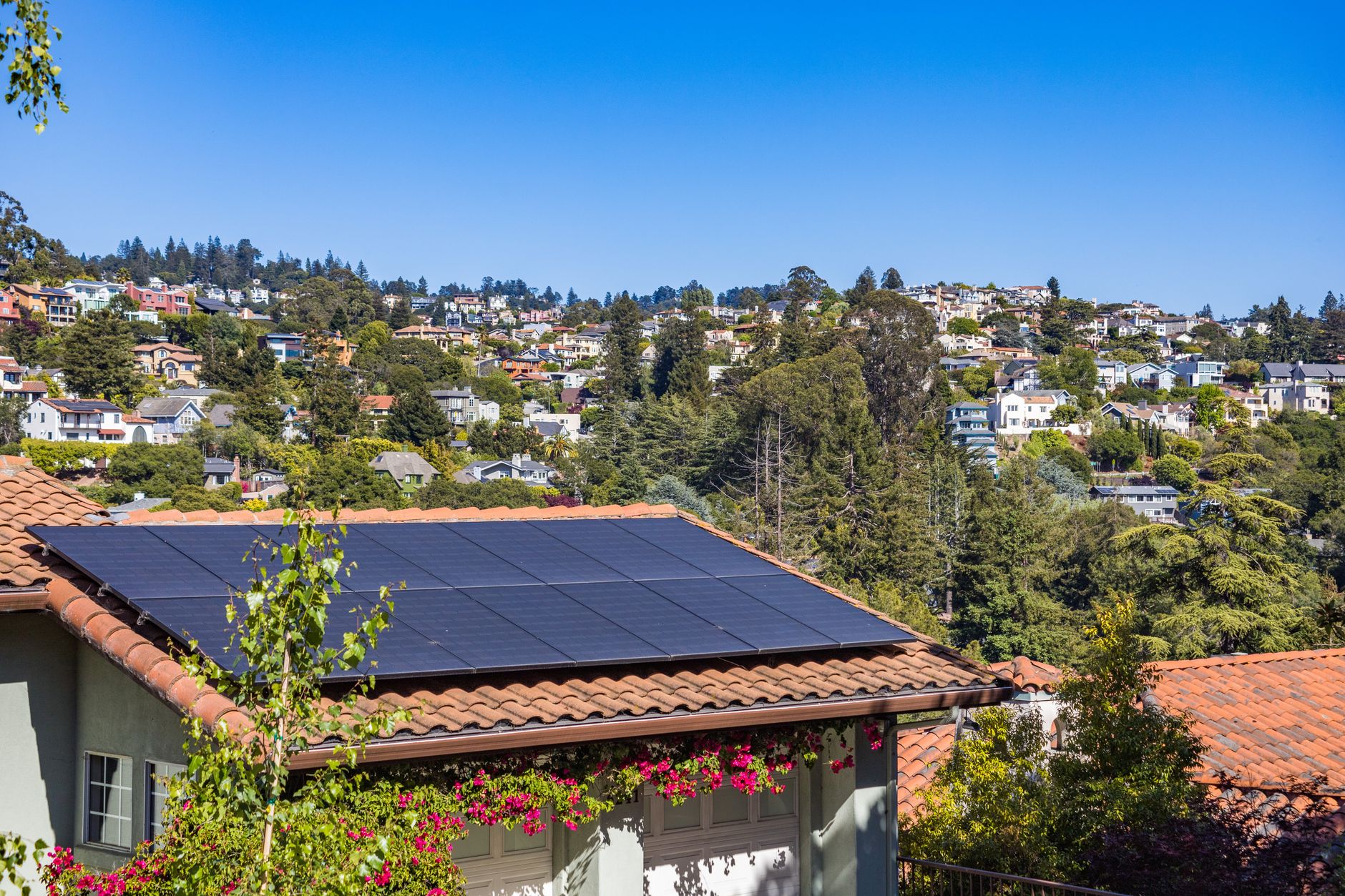
Photo: Robert So / Pexels
PM Surya Ghar: How Big a Rooftop Solar System to Buy
If you are weighing a rooftop solar system under PM Surya Ghar Muft Bijli Yojana, the first instinct is usually wrong. Most people ask how many panels the ₹78,000 subsidy will buy, then size the system to grab the maximum cheque. That is backwards. The subsidy is a fixed ceiling, not a target, and chasing it can leave you with panels that generate more power than your home can ever use or sell. The smarter question is how big a system your actual electricity bill justifies.
The scheme, launched to put solar on one crore households and hand many of them up to 300 free units a month, is genuinely one of the better deals going. But the value depends entirely on matching capacity to consumption. Here is how to think about the size, the money and the catch most installers won't lead with.
How the subsidy actually steps up
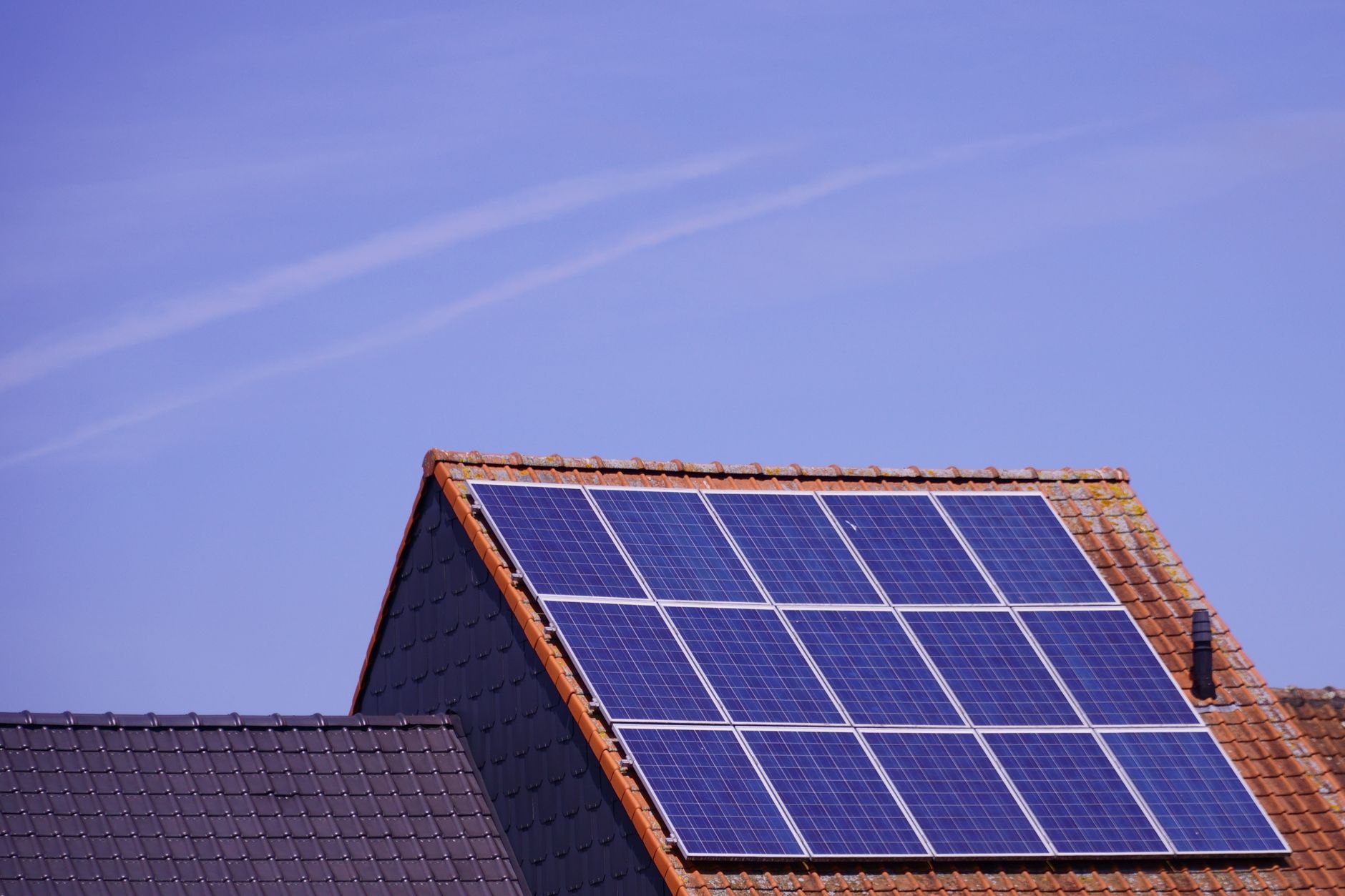
The central financial assistance is tiered, and it stops climbing fast. You get ₹30,000 per kW for the first 2 kW, then ₹18,000 for the third kW, and that's it. The total is capped at ₹78,000 for any system of 3 kW or larger.
So the subsidy ladder looks like this:
- 1 kW system: ₹30,000
- 2 kW system: ₹60,000
- 3 kW system: ₹78,000
- 5 kW, 10 kW or bigger: still ₹78,000
That flat ceiling past 3 kW is the single most important fact in the scheme. If you install a 5 kW system because your sanctioned load is high, the extra two kilowatts come entirely out of your pocket. The government is not subsidising your air conditioning fleet beyond that line. For most independent homes, 3 kW is the sweet spot where every rupee of subsidy is captured.

Match the system to your units, not the cheque
The honest way to size a system is to pull out twelve months of electricity bills and find your average monthly consumption in units (kWh). Solar output in India is reasonably predictable: 1 kW of panels generates roughly 4 units a day, or about 120 units a month, averaged across seasons. Output is strong in summer, weaker in monsoon and winter, but that rule of thumb holds well enough for planning.
Work it backwards:
- A home using ~150 units a month is served well by about 1.5 kW.
- Around 300 units a month points to roughly 2.5–3 kW.
- Over 400 units a month with heavy AC use may justify 4 kW or more, knowing the subsidy won't grow past 3 kW.
Oversizing feels safe, but it is expensive dead weight. A system that consistently produces far more than you consume only helps if your state pays you fairly for the surplus, and most don't pay generously. Undersizing is the gentler mistake: you still cut your bill, you just leave some savings on the table. When unsure, lean toward your true average rather than your peak summer month.
Net metering is where the savings live or die
Solar doesn't run your house at night, and your panels make the most power at noon when many homes use the least. The mechanism that reconciles this is metering, and the variety your state uses changes the economics completely.
- Net metering: surplus units you export are credited against the units you import, and you pay only for the net difference. This is the best outcome and what makes the scheme work. Year-end surplus may be paid out at a low rate or simply lapse, depending on the state.
- Net billing or gross metering: you are paid a fixed feed-in tariff for exported power, often well below the retail rate you pay to draw electricity. Here, self-consumption matters far more than export, so a smaller, tightly-sized system makes more sense.
Before signing anything, ask your DISCOM or vendor exactly which arrangement applies to residential rooftop in your circle, and whether there is an export cap tied to your sanctioned load. Several states limit how much you can push to the grid, which quietly punishes oversized systems. This one question separates a good investment from a mediocre one.
What you'll actually pay, and when it pays back
A standard 3 kW system runs around ₹1.6–1.9 lakh installed before subsidy, depending on panel type, structure and your city. After the ₹78,000 central subsidy, the out-of-pocket figure often lands near ₹1 lakh, and some states add their own top-up on top.
The portal also channels collateral-free loans at concessional rates for residential systems up to 3 kW, so you needn't put the full amount down at once. With typical savings on a 300-unit bill, payback commonly falls in the 4–6 year range. After that, the panels keep producing for 20–25 years with little beyond occasional cleaning, which is the part that turns this from a gadget into an asset. Treat the warranty terms and the installer's track record as seriously as the price; a cheap system from a vendor who vanishes is no saving.
The application path, briefly
The process runs through the national PM Surya Ghar portal, and it is more linear than it looks:
- Register with your state, DISCOM and consumer number, then log in.
- Apply for feasibility approval for the system size you've chosen.
- Get the system installed by a registered vendor from the portal's list.
- Apply for net metering; the DISCOM inspects and commissions the meter.
- Submit the commissioning details and your bank account; the subsidy is credited directly to your account, typically within a few weeks.
Use only empanelled vendors. The subsidy is tied to the portal trail, and going off-list to a cheaper local installer can cost you the entire ₹78,000.
The mistakes worth avoiding
Three errors show up again and again. The first is buying to the subsidy instead of to the bill, ending up with panels that overshoot what the home and the grid can absorb. The second is ignoring the metering type, then discovering that exported units earn a pittance. The third is skipping the shading and roof check — a roof that's shaded for hours, faces the wrong way or can't take the mounting structure will underperform no matter how good the panels are.
Done right, the calculation is refreshingly clean. Find your average monthly units, divide by roughly 120 to get the kilowatts you need, confirm your state runs net metering, and size at or just under 3 kW to bank the full subsidy. Get those four things straight and rooftop solar stops being a leap of faith and becomes simple arithmetic that pays you back for two decades.