The Ronaldo Chop: One Move, Endless Viral Clips
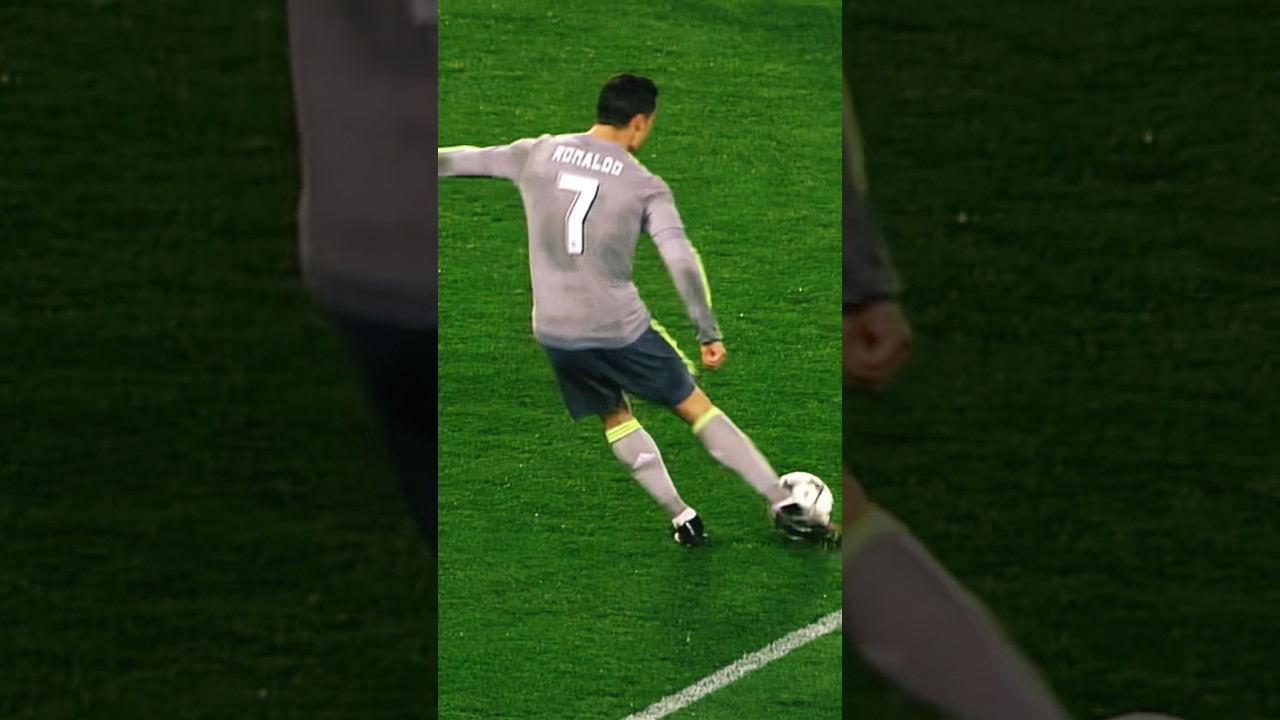
A skill move that takes barely half a second to perform is once again eating up YouTube watch hours. The Ronaldo Chop — the sharp wrap-around turn that lets a player flip direction and leave a defender lunging at empty grass — is trending all over again, this time through short, looping clips that slow the move down to a crawl and let viewers study every touch. The clip carrying the playful ™️ branding is the latest to take off, and it has pulled millions of casual fans, weekend footballers and academy kids back into the same rabbit hole.
What makes this interesting isn't that a Ronaldo trick is popular. It's that one of football's most copied moves keeps finding fresh audiences years after it first appeared, and that a generation raising itself on phone screens is now learning it not from coaches but from looping video.
What the Ronaldo Chop actually is
Strip away the branding and the move is a change-of-direction turn. A player running in one direction uses the inside or outside of a single foot to drag the ball back behind their planted standing leg, while their body rotates roughly 180 degrees. Done cleanly, the attacker ends up facing almost the opposite way, with the ball shielded on the far side from the defender.
The genius is in the sequence. The player first commits their body in one direction, often with a small drop of the shoulder or a stutter in the stride, so the defender shifts weight to block that path. The chop then fires the ball the other way at the exact instant the defender is leaning wrong. It's less about foot speed and more about timing and deception.
It is sometimes confused with the elastico or the step-over, but those are different tricks. The chop is defined by that wrap of the ball behind the standing leg and the full-body spin that comes with it.
Why it's blowing up on YouTube again
Viral skill content follows a pattern, and the Ronaldo Chop fits it perfectly. Short-form football clips reward three things: a move that looks dramatic, one that the average viewer believes they could attempt, and one that loops cleanly. The chop delivers all three.
A few reasons it keeps resurfacing:
- It photographs well in slow motion. The body twist and the ball snapping the other way create a satisfying visual that holds up frame by frame.
- It feels achievable. Unlike a rabona or an around-the-world, beginners can mimic the basic shape on day one, which drives comment-section engagement and "I tried it" replies.
- The name carries weight. Anything attached to Cristiano Ronaldo comes with a built-in global audience that the algorithm happily feeds.
- Tutorials breed more tutorials. One breakdown clip inspires dozens of reaction and remix versions, and the trend feeds itself.
There's also a nostalgia layer. Many viewers first saw the move during Ronaldo's Manchester United and Real Madrid years, so a fresh clip doubles as a memory trigger for people now in their late twenties and thirties.
The biomechanics of a good fake
Coaches who teach the move tend to stress that the chop itself is the easy part. The hard part is everything before it. A defender only buys the trick if the fake is convincing, which means the attacker has to genuinely threaten the first direction with their hips, eyes and pace.
The key checkpoints most instructors emphasise:
- Sell the first step. Lean and accelerate as if you're going one way, so the defender's centre of gravity follows.
- Plant firmly. The standing leg has to take your full weight, because the ball wraps behind it.
- Use a clean contact. A stabby, controlled touch with the inside or outside of the foot, not a wild swing.
- Explode out. The move only works if you're faster the other way immediately after the turn; a slow chop just hands possession back.
That last point is why so many viral attempts end in comedy. People nail the spin in an empty park, then lose the ball completely the moment a real opponent is involved, because the burst out of the turn never comes.
A move with a long lineage
It's worth being precise here: nobody truly invented the chop, and Ronaldo would likely be the first to say so. Cut-back turns and drag-backs have existed in football for as long as players have tried to fool each other. What Ronaldo did was perform it constantly, at the highest level, on the biggest stages, often to set up a cross or a shot from the byline.
Because it was so visible and so effective, fans and content creators began calling it the Ronaldo Chop, and the name stuck. The ™️ in the trending clip is a wink at exactly that — a tongue-in-cheek nod to how thoroughly one player has come to own a move he didn't patent. This is how football folklore tends to work; tricks get rebranded after whoever made them famous, regardless of who did them first.
Why it lands so hard in India
Football's grassroots scene in India has quietly exploded over the past decade, and skill content is a big part of that. On maidans in Mumbai and Kolkata, in academy sessions in Goa and Kerala, and on countless concrete five-a-side courts, the chop is one of the first "show-off" moves young players try to master.
The appeal is practical as well as cosmetic. Indian street and futsal football is played in tight spaces where there's rarely room for a long run at a defender. A move that turns a player almost 180 degrees in a tiny patch of ground is genuinely useful in those conditions, not just flashy. That's part of why local creators keep filming their own versions and why the trend has real legs here rather than being a passing import.
There's a flip side worth saying plainly. Coaches often warn that beginners over-rely on tricks at the cost of the basics — first touch, passing weight, awareness. A perfectly executed chop that loses possession three seconds later helps nobody. The best young players treat moves like this as one tool, used at the right moment, not as the whole game.
What happens next for the trend
Viral skill clips have a predictable arc. The original breaks out, a wave of tutorials and reaction videos follows, then remix versions push it in new directions — slowed down, set to music, mashed up with other tricks, or filmed in unusual settings. Expect the Ronaldo Chop to ride that curve over the coming weeks, with creators competing to teach it more clearly or pull it off in tougher conditions.
The longer-term truth is that this move never really goes away. It resurfaces every couple of years whenever a fresh clip catches the algorithm's attention, introduces itself to a new batch of teenagers, and then quietly recedes until the next time. For now, the smartest thing a curious viewer can do is ignore the slow-motion glamour, head to the nearest open ground, and accept that the first fifty attempts will look nothing like the video. That gap between the screen and the grass is, in a way, the whole point — and the reason people keep coming back to watch.