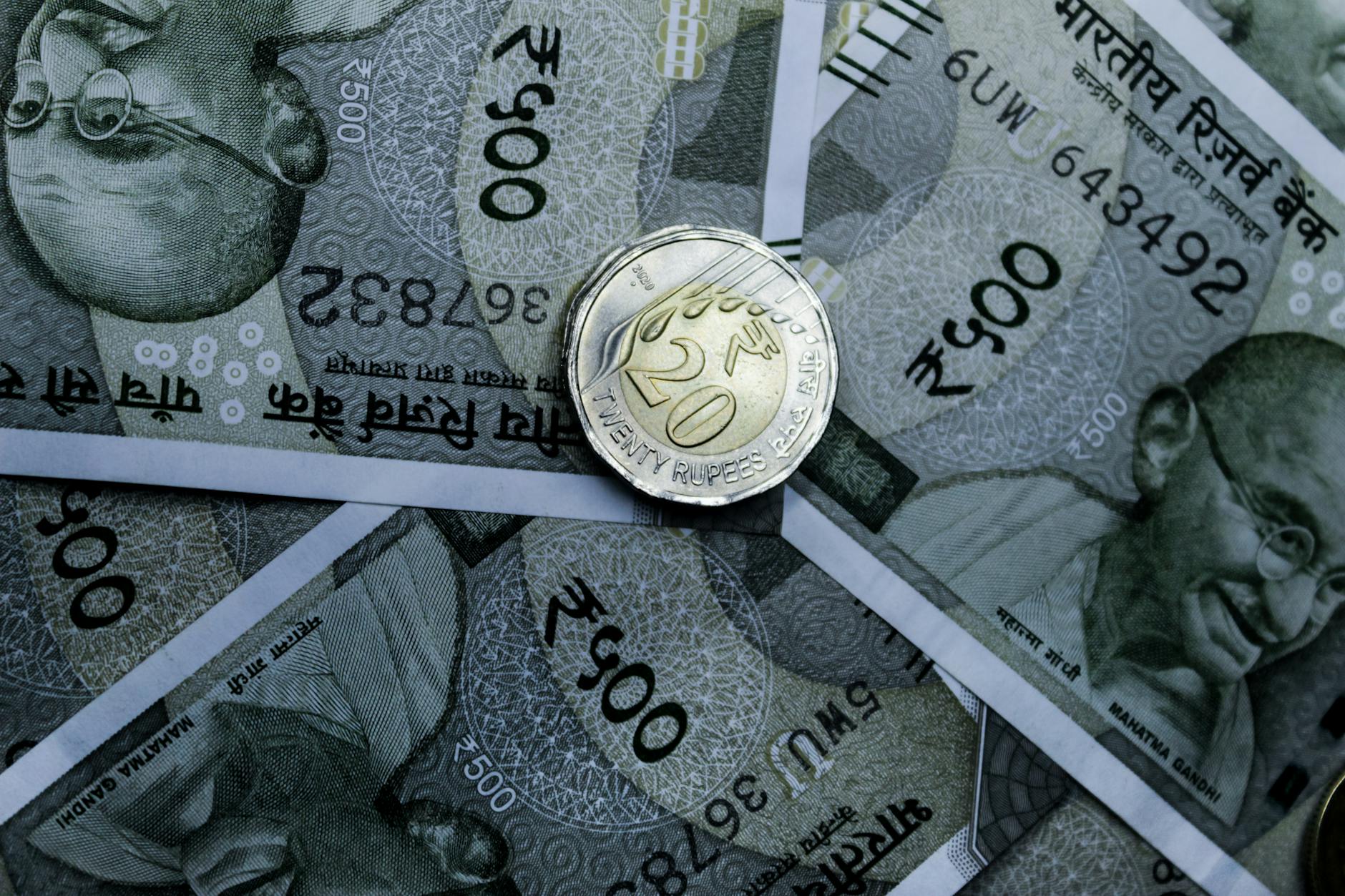
Photo: Ravi Roshan / Pexels
Cheques Now Clear in Hours: Why You Must Set Up Positive Pay
If you wrote a cheque last week and the money showed up in the other person's account the same evening, you weren't imagining it. India's cheque system has quietly been rebuilt. As of 3 January 2026, banks clear cheques continuously through the working day instead of in one overnight batch, which means funds that once took two days can now land in a few hours. The trade-off nobody warned you about: for larger cheques, the bank will only honour them if you've already told it what you wrote. That confirmation step is the Positive Pay System, and skipping it can get a perfectly valid cheque bounced.

What changed in the clearing system
For years, cheques moved through the Cheque Truncation System (CTS), where an image of the cheque was sent for clearing in fixed batches. You typically waited until the next working day, sometimes longer over weekends, before the money settled.
The Reserve Bank phased in continuous clearing in two stages: the first from 4 October 2025, and the second from 3 January 2026. Now cheques are scanned and presented throughout business hours. The bank on which the cheque is drawn must confirm acceptance or rejection within roughly three hours of receiving it, and once settled, the depositing bank credits the customer within about one hour.
In plain terms, a cheque deposited in the morning can clear by afternoon. That speed is welcome, but it also compresses the window in which any error or fraud gets caught. The system leans on the account holder to vouch for the cheque in advance, and that is exactly what Positive Pay does.

How Positive Pay actually works
Positive Pay is a matching check. When you issue a cheque, you separately tell your bank the core details of that cheque. When the cheque later turns up for clearing, the bank compares the two. If they match, it pays. If something is off, it flags the cheque for a closer look before any money moves.
You confirm five things:
- Cheque number (the six-digit number on the leaf)
- Cheque date
- Payee or beneficiary name
- Cheque amount
- Your account number
Notice what this defends against. A common cheque fraud is alteration — someone gets hold of a genuine cheque and changes the payee name or inflates the amount. Because your confirmed amount and payee are locked in with the bank, a tampered figure no longer slips through. It also catches counterfeit cheques that were never issued by you at all.
Who must use it, and from what amount
The RBI made Positive Pay mandatory for cheques of Rs 5 lakh and above. Banks were given the freedom to extend it to smaller amounts, and most large lenders now offer or require it from Rs 50,000. A few banks apply it from even lower thresholds.
The distinction matters because of who carries the risk. For mandatory-bracket cheques, RBI's dispute-resolution mechanism only entertains complaints on cheques that carried a valid Positive Pay confirmation. Issue a high-value cheque without it, lose the dispute later, and you have far less ground to stand on.
Banks have also been refining the fine print through 2026. Several now apply the matching mainly when a cheque is presented by someone other than the account holder, leaving routine self-deposits lightly handled. The rules vary by bank, so the safe habit is simple: confirm anything large, every time.
How to set it up before you hand over a cheque
The good news is that this is not a trip to the branch each time. Registering your consent for Positive Pay is usually a one-time activity, after which you submit cheque details through whichever channel suits you. The exact menu names differ by bank, but the path is broadly the same.
- Net banking: Look under a heading like services or cheque facilities, then a Positive Pay option. Enter the cheque details and submit.
- Mobile app: Most bank apps carry a Positive Pay tile; some ask for as little as the amount, payee name and date once your account is linked.
- SMS: Many banks accept a formatted text with your account, cheque number and amount sent to a dedicated number.
- Branch or ATM: Still available if you prefer doing it in person.
A practical routine: the moment you tear out a cheque for any sizeable payment, open your banking app and log the details on the spot. Do it before you hand the cheque over, not after. Submit the information at least a few hours ahead of when the payee is likely to deposit it, so the confirmation is sitting in the system when the cheque arrives for clearing.
The mistakes that get clean cheques rejected
Most Positive Pay failures are not fraud — they are mismatches between what you wrote and what you told the bank. The system is literal, so small slips count.
- Payee name spelt differently from how it appears on the cheque. Match it exactly.
- Amount mismatch, especially when you round off in your head but write a precise figure on the leaf.
- Wrong cheque number keyed in, easy to do when you are reading a faint MICR line.
- Date errors, including post-dated cheques where the confirmed date and written date drift apart.
If any of these don't tally, the cheque can be returned, and in the new fast-clearing world that rejection comes back quickly. The payee sees a bounce, you scramble to fix it, and the goodwill you were paying for takes a hit. Two minutes of care at the point of issue avoids all of it.
Why this is worth your attention now
Cheques are far from dead in India. Rent deposits, vendor payments, property advances, school fees, contractor settlements — a great deal of high-value money still moves on paper, precisely the cheques that now fall under Positive Pay. Faster clearing helps everyone: businesses get working capital sooner, and you are no longer guessing whether a cheque has gone through.
But speed cuts both ways. A fraudulent cheque also clears faster, leaving less time to spot it before the money is gone. Positive Pay is the brake built into the system, and it only works if you use it. Treat it the way you treat a UPI PIN — a small confirmation step that stands between your account and a loss you can't easily reverse. The day you write your next big cheque, log it. That one habit is now the difference between protected and exposed.