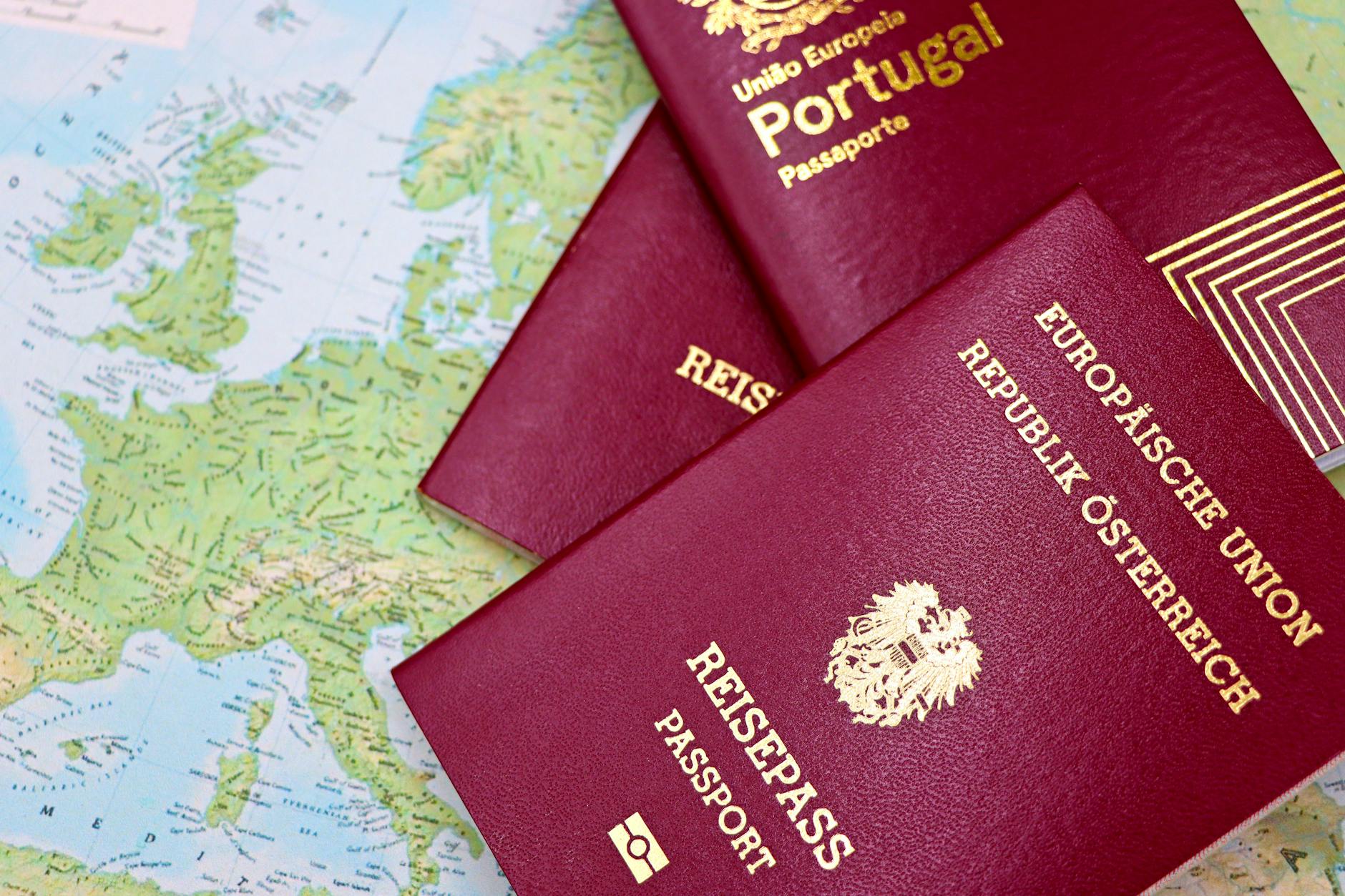
Photo: Marta Branco / Pexels
Schengen 5-Year Visa for Indians: How the Cascade Works
If you are an Indian traveller who keeps shelling out for a fresh Schengen visa before every Europe trip, there is a rule that can end that cycle — and most people still do not know it exists. Since 18 April 2024, the European Commission has run a special cascade regime for Indian nationals that fast-tracks you to long-validity, multi-entry visas: first two years, then five years. Used right, it can spare you years of paperwork, appointment hunts and fees. Here is exactly how it works and how to qualify.
What the cascade regime actually is
The word "cascade" describes a staircase. Each time you travel responsibly on a short-stay Schengen visa, you climb a step toward a longer one. The European Union adopted India-specific rules that are more generous than the default Visa Code, precisely because Indian travel to Europe has been rising fast and the bloc wants to reward reliable visitors.
The logic is simple: a person who has already entered the Schengen area, stayed within the rules and gone home on time is a low risk. So instead of forcing that person to reapply from scratch every trip, the consulate hands them a visa that stays valid for years and allows multiple entries. It is the EU's way of saying it trusts your record.
Crucially, this is not a new visa type. It is a more favourable way of deciding the validity of the ordinary short-stay (Type C) visa you already apply for. The application form, the documents and the consulate stay the same — what changes is how long the sticker lasts.

The two steps: 2 years, then 5
The ladder has two big rungs:
- The 2-year visa. You can be issued a multi-entry Schengen visa valid for two years once you have obtained and lawfully used two visas within the previous three years. "Lawfully used" is the key phrase — you must have actually travelled and respected the conditions, not just held the visas.
- The 5-year visa. The two-year visa is normally followed by one valid for five years, provided your passport has enough validity left to cover it.
During the life of these visas you enjoy travel rights broadly similar to visa-free visitors — you can come and go across the 27 Schengen countries without a fresh application each time. Over a five-year visa, that adds up to a theoretical maximum of around 900 days of stay, though never in one stretch (more on that limit below).
Who is eligible — and the conditions consular officers check
The cascade is for Indian nationals residing in India who apply for their Schengen visa in India. Beyond that, officers weigh a few things:
- A history of using visas lawfully — entries and exits on record, no overstays, no working on a tourist visa.
- Sufficient passport validity, because the visa can never outlast your passport.
- The usual short-stay basics: proof of funds, travel insurance, accommodation and a credible purpose for travel.
There is no automatic entitlement. Even if you tick the two-visas-in-three-years box, the consulate retains discretion and can issue a shorter validity if it has doubts. Think of eligibility as making you a strong candidate, not a guaranteed winner.
The catch nobody mentions: the 90/180 rule still rules
Here is where many travellers misread the headline. A five-year visa is about validity, not stay time. The famous 90-days-in-any-180-days ceiling for short stays is untouched. You can enter and leave as often as you like, but your total presence cannot exceed 90 days inside any rolling 180-day window.
So the long visa does not let you live, work or study in Europe. It is built for the frequent tourist, business traveller or family visitor who hops over several times a year. If your plan is to settle, you still need a national long-stay (Type D) visa or a residence permit — an entirely separate process.
Two more limits worth burning into memory:
- Passport expiry caps everything. If your passport expires in three years, you will not get a clean five-year visa — the validity is trimmed to fit. Renew an ageing passport before applying to capture the full benefit.
- It is not visa-free entry. You may breeze through future applications, but the visa is still a sticker you were granted, with conditions. Misuse it once and the cascade can break.
How to climb the ladder, practically
If you are starting from zero, the path is straightforward but takes patience:
- Take your first two Europe trips and behave impeccably. Enter and exit on time, keep boarding passes and entry stamps, and never bend the purpose of travel. These two clean visas inside three years are your foundation.
- Apply through the right country. Lodge your application with the country that is your main destination, or your first point of entry if your stays are evenly split. That consulate reads your travel history and sets the validity, so its track record on cascade visas can matter.
- Renew your passport early. Since validity is capped by your passport, walk in with several years of passport life ahead to unlock the full two- or five-year sticker.
- Keep your documentation tidy. A coherent file — funds, insurance, prior stamps, return intent — makes it easy for an officer to grant the longer option rather than play safe with a single-entry stamp.
- Use each visa, don't just hold it. The system rewards demonstrated, lawful travel. A visa that sat unused does less for your case than one you actually travelled on within the rules.
Why this matters for Indian travellers in 2026
India is now among the EU's fastest-growing sources of visitors, and the cascade is a quiet but real upgrade in how the bloc treats its repeat guests. For families splitting trips across summers and winters, for professionals running between conferences, and for anyone who has felt the sting of reapplying yearly, the savings in time, money and anxiety are tangible.
It also dovetails with the bigger border changes coming to Europe — the new biometric Entry/Exit System that records every crossing automatically. A long-validity multi-entry visa pairs neatly with that machine-read world: your clean record becomes easier to prove, and your future applications easier to approve.
The bottom line: the five-year Schengen visa is not a myth and not a loophole. It is an earned reward for travelling honestly. Take two clean trips, keep a healthy passport, apply to the right consulate — and you can swap the annual visa scramble for years of fuss-free European travel.