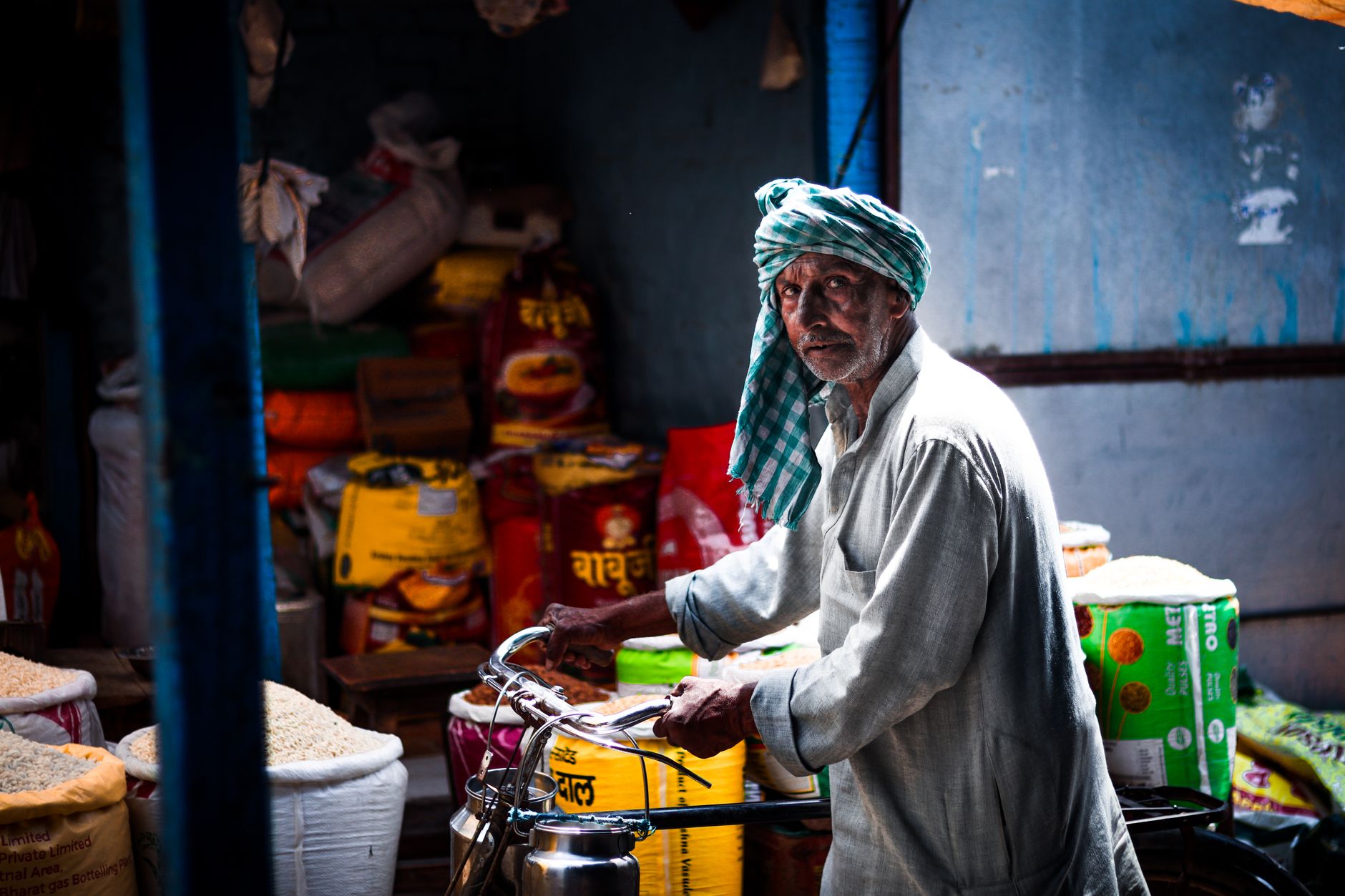
Photo: CP Khanal / Pexels
Moved for Work? How to Move Your Vote Without Losing It
Every general election, lakhs of Indians who moved cities for jobs or college discover the same gap: their name still sits on the voter list back in their hometown, hundreds of kilometres from where they actually live. They either burn a day and a train ticket to vote, or they skip it. The fix is dull, free and badly publicised — and most people use the wrong form. If you want to move your vote to where you live, here is exactly how it works.

First, find out where you're actually registered
Before you fill anything, check your current status. Open the Voter Helpline app or the Election Commission's voter portal at voters.eci.gov.in and search by your name or EPIC number (the alphanumeric code on your voter ID card). This tells you which Assembly Constituency and polling booth you're tied to.
Most migrants find they're still enrolled at their parents' address. That's the problem you're solving. The goal is to delete that old entry and create a fresh one at your current residence, so your name appears on the roll of the place you live, shop and pay rent.
Don't assume your registration vanished just because you moved years ago. Indian electoral rolls don't auto-update. Your name stays put until you — or someone objecting — files paperwork to change it.
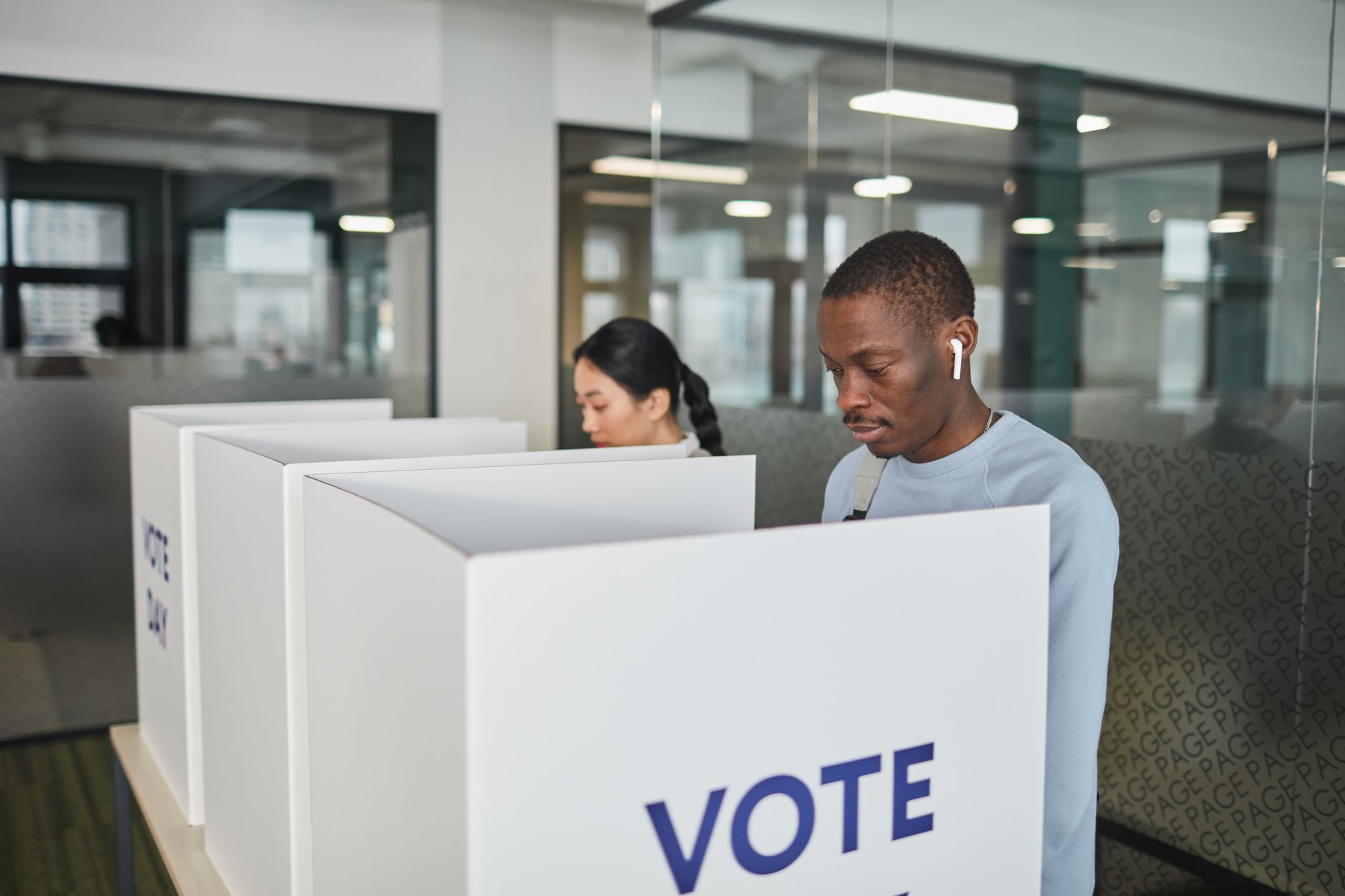
Form 8 is the one you want — not Form 6
This is where people trip up. They register again as if they're a new voter, which can create a duplicate entry. Here's the clean breakdown:
- Form 6 — for genuine first-time voters who have never been enrolled anywhere.
- Form 8 — "Shifting of Residence" — the correct form when you're already a registered voter and have changed your address, whether within the same constituency or to a different one.
- Form 7 — to object to or seek deletion of an entry (useful if a stale old registration needs removing).
- Form 6A — for overseas (NRI) electors.
- Form 6B — to voluntarily link your Aadhaar; it is not mandatory.
So if you've moved from, say, Patna to Pune and were already a voter, Form 8 is your form. You submit it to the Electoral Registration Officer (ERO) of your new area. The system is designed so that registering at the new address also flags the old entry for deletion — you shouldn't end up counted twice, provided the details match.
Why double registration is a real risk, not a loophole
Some people quietly keep both entries, thinking it's harmless or even an extra option. It isn't. The law allows a person to be on only one electoral roll, at the place of ordinary residence. Holding multiple registrations is an offence under the Representation of the People Act, 1950.
It also creates practical headaches. Officials run periodic checks for duplicate and shifted entries during roll revision, and a flagged duplicate can lead to deletion of an entry without you realising — sometimes the wrong one. Cleaning up deliberately, through Form 8, is far safer than letting the system catch it.
There's a civic argument too. A bloated roll full of people who've moved away inflates turnout denominators and keeps phantom voters in constituencies they no longer touch. Shifting your registration keeps the list honest.
Doing it online, step by step
The whole thing is free and takes about ten minutes if your documents are ready.
- Go to the Voter Helpline app or voters.eci.gov.in and create or log into an account using your mobile number.
- Select Shifting of Residence / Form 8 and choose your new state, district and Assembly Constituency.
- Enter your existing EPIC number so the system links to your current record.
- Upload a recent passport-size photo and one proof of present address — commonly Aadhaar, a recent utility bill, bank or post office passbook, or a registered rent agreement.
- Submit and note the reference ID. Use it to track the application's progress.
After submission, a Booth Level Officer (BLO) may visit or call to verify that you actually live at the new address. Once the ERO clears it, your name moves to the new roll and you're issued an updated entry. Prefer paper? The same Form 8 can be filled offline and handed to your local BLO or ERO office.
Time it around the qualifying dates
Electoral rolls aren't updated continuously in real time for finalisation. Since 2022, there are four qualifying dates a year — 1 January, 1 April, 1 July and 1 October — which means people turning 18 or shifting can be added across the year rather than only in January.
The practical lesson: don't wait for the election to be announced. Once polls are notified and the roll is frozen for that election, last-minute changes may not reflect in time. If you've moved, file Form 8 now, in a non-election month, when EROs aren't swamped and verification moves faster.
Keep a screenshot of your submitted form and reference ID. If the BLO visit doesn't happen or the status stalls for weeks, you can follow up at the ERO office or via the helpline number 1950.
What about people who genuinely can't shift?
There are real cases where shifting registration doesn't suit — seasonal migrant workers who split the year between two states, students who'll return home in a year, or those without a stable local address proof. For them, the honest answer today is limited.
The Election Commission has publicly demonstrated a prototype Remote Voting Machine (RVM) aimed at domestic migrants, allowing a voter to cast a ballot for their home constituency from a remote location. It was showcased to political parties, but it remains a pilot concept, not a deployed system. Until it clears legal, logistical and political hurdles, there is no remote voting for ordinary migrant workers.
NRIs have a separate track: they can enrol as overseas electors using Form 6A against an Indian address, but at present they must travel back and vote in person — postal or proxy voting for general overseas voters hasn't been rolled out. Service personnel and certain officials posted away from home use postal ballots through a dedicated system, which is not available to civilians who've simply relocated for work.
The bottom line
If you've moved and you're serious about voting where you live, the action is small and the payoff is a vote that actually counts in your real community — local MLA, local issues, local roads. File Form 8, attach an address proof, and let the old entry go. It costs nothing but ten minutes and a verification visit. The systems for migrants and NRIs may improve in the coming years, but the only reliable route in 2026 is still the oldest one: register where you live.