Photo: Stanley Ng / Pexels
Silicon-Carbon Batteries: Why 2026 Phones Last Two Days
If you have picked up a new Android phone in 2026 and noticed it lasts a day and a half without breaking a sweat, you are not imagining things. A quiet revolution inside the slab of glass in your pocket is responsible, and it has a name most buyers still cannot pronounce: the silicon-carbon battery. This single chemistry tweak is the reason flagships now cram batteries that would have been laughably impossible two years ago into bodies thinner than ever—and it is reshaping how Indian shoppers compare phones at the ₹30,000-to-₹60,000 sweet spot.
The trend hits a visible peak this month. Xiaomi confirmed the 17T 5G arrives in India on June 4 with a 6,500mAh silicon-carbon cell, while the iQOO 15 and OnePlus 15 already sit on shelves boasting 7,000mAh and 7,300mAh packs respectively. Numbers that used to belong to bulky rugged phones are now standard on sleek, camera-led flagships. So what changed, and is there a catch worth knowing before you spend?
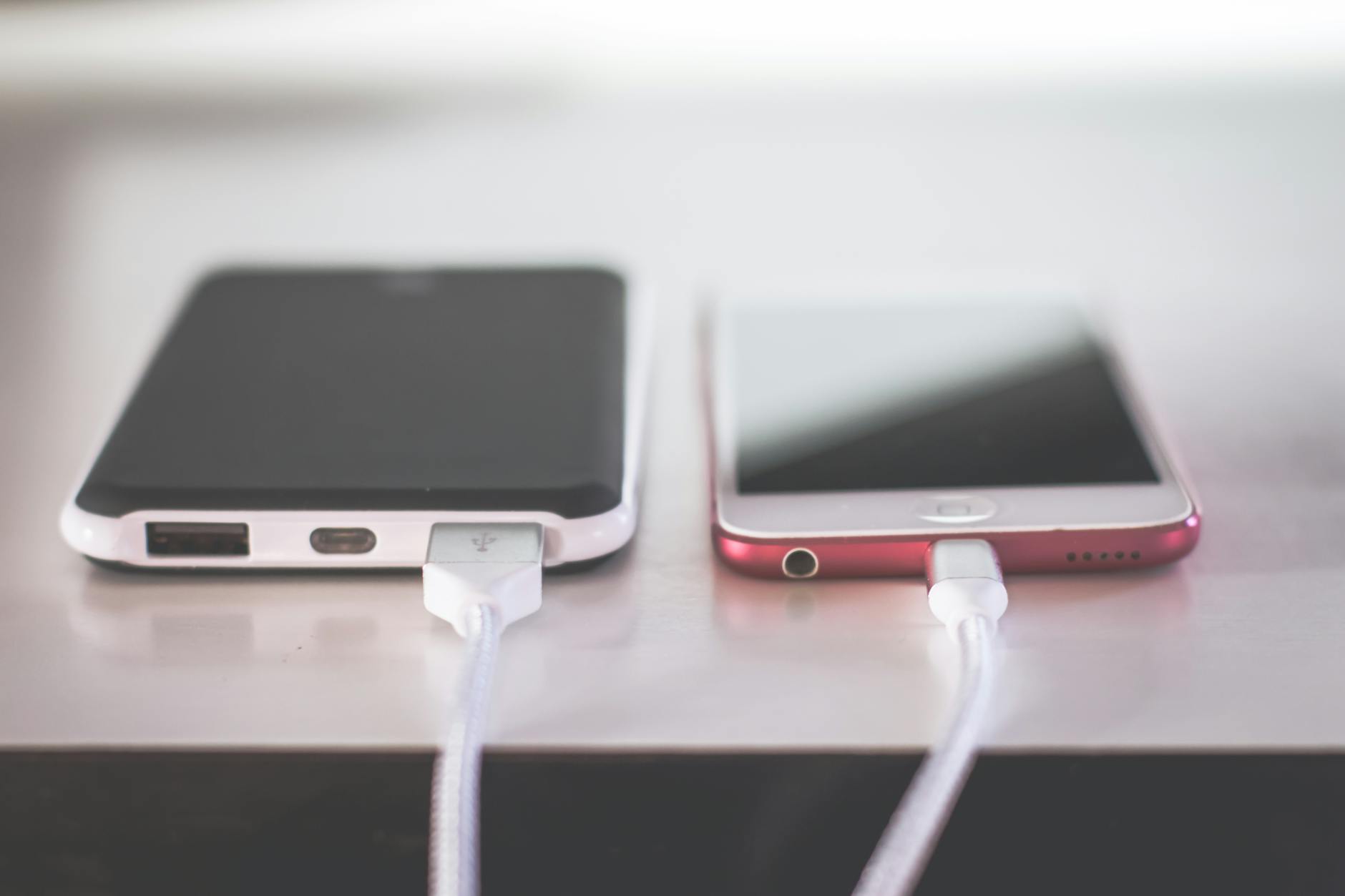
What a silicon-carbon battery actually is
Every lithium-ion battery has an anode—the part that stores lithium ions while the phone is charged. For roughly three decades that anode was made of graphite, a stable, well-understood form of carbon. It works, but graphite has a hard ceiling on how many lithium ions it can hold per gram. That ceiling is why phone batteries plateaued at around 5,000mAh for years.
Silicon changes the maths dramatically. Gram for gram, silicon can theoretically store roughly ten times more lithium than graphite. The problem is that silicon is temperamental: as it soaks up lithium during charging, it swells enormously—by as much as 300 percent—then shrinks again as the battery drains. Pure silicon anodes crack themselves apart within a handful of cycles. The breakthrough was learning to blend a modest slice of silicon into a carbon matrix that cushions and stabilises that expansion. The result is the silicon-carbon (often written Si/C) anode: most of the capacity gain, far less of the self-destruction.

Why your phone is suddenly slim and long-lasting
The payoff shows up in two ways at once, which is what makes the technology feel almost like a free lunch. Because a silicon-carbon cell packs noticeably higher energy density, manufacturers face a choice. They can keep the battery the same physical size and bank a big jump in capacity, or keep the capacity steady and shrink the cell to make the whole phone thinner and lighter. In 2026 they are largely doing both.
That is how brands such as Honor, OnePlus and Oppo have squeezed 7,000mAh-class batteries into chassis under 8mm thick—dimensions that, with old graphite cells, would have forced a noticeably chunkier, heavier handset. For the buyer it translates into the headline benefit everyone actually cares about: genuine two-day endurance for moderate users, and confident all-day-plus life even for people who film, game and navigate heavily.
There is a second, quieter perk. Silicon-carbon anodes tend to tolerate higher charging currents, which is part of why fast-charging figures have crept upward alongside capacity. The OnePlus 15, for instance, pairs its large cell with 120W wired charging, while the Xiaomi 17T offers 67W. You get a bigger tank and a faster pump in the same package.
The boom is overwhelmingly an Asian story
Walk through the specs of almost any phone leading this charge and you will spot a pattern: the brands are Chinese. Xiaomi, OnePlus, Oppo, Vivo, iQOO, Realme and Honor have made silicon-carbon cells a near-default across their flagship and upper-mid-range lines. India, as one of the world's largest smartphone markets and a stronghold for exactly these brands, has become a primary stage for the rollout.
The contrast with Western and Korean giants is striking. Apple and Samsung—companies that obsess over multi-year reliability and warranty exposure across hundreds of millions of units—have so far been cautious, sticking largely to conventional cells or only dipping a toe in. That caution is not timidity for its own sake; it points straight at the technology's real weakness.
The catch nobody puts on the box
Here is the part that rarely makes it into a launch livestream. Silicon's superpower—its appetite for lithium and the swelling that comes with it—is also its curse. Even tamed inside a carbon matrix, a silicon-carbon anode expands and contracts more than graphite with every charge cycle. Over time that mechanical stress, combined with silicon's tendency to react with the surrounding electrolyte, accelerates wear.
In practice that means a silicon-carbon battery can lose capacity faster than a traditional one, particularly across the first two to three years of ownership. Industry discussion points to meaningfully fewer healthy charge cycles before noticeable degradation compared with mature graphite cells. The exact trade-off depends heavily on how much silicon a maker dares to use: a conservative blend of around five percent silicon ages gracefully but adds modest capacity, while pushing toward 15–30 percent unlocks those giant numbers at the cost of a shorter healthy lifespan if the engineering is not flawless.
This is the genuinely useful insight for a shopper. A 7,000mAh phone that starts behaving like a 6,000mAh phone after eighteen months may still outlast an old graphite handset—but it also explains why the most conservative brands are not rushing in, and why you should weigh how long you intend to keep the device.
What it means for an Indian buyer in 2026
For most people the verdict is comfortably positive. If you upgrade every two to three years—as a large share of Indian buyers do—you will likely enjoy the best battery life of your life and never run into the degradation wall in a way that hurts. The endurance jump is real, the slimmer designs are pleasant, and faster charging removes range anxiety almost entirely.
The smart move is to read past the headline capacity. Two phones can both advertise 7,000mAh and behave very differently three years on, depending on silicon content, charging discipline and thermal design—details brands rarely disclose. If you tend to keep a phone for four or five years, or hand it down within the family, a slightly smaller silicon-carbon cell or a conventional battery may actually serve you better over the long haul. Habits still matter too: avoiding constant 100 percent top-ups and extreme heat will stretch any of these cells further.
What comes next
The ceiling keeps rising. Reports suggest Honor and Xiaomi are already experimenting with 10,000mAh-class cells for future devices, and several brands are layering in semi-solid-state tweaks to improve stability. The likely trajectory is not endlessly bigger numbers but smarter ones—higher silicon ratios paired with better binders and electrolytes that blunt the degradation curve, so the longevity gap with graphite narrows.
The bigger question is when the holdouts move. Once Apple and Samsung are satisfied that silicon-carbon cells can survive a multi-year warranty without swelling complaints, expect the technology to go from an Asian-flagship signature to a global default. For now, India sits at the front of the queue—getting the benefits, and the trade-offs, first.
Source: tomsguide.com