
Photo: Borys Zaitsev / Pexels
TCS on Foreign Spends: The ₹10 Lakh Rule You Must Know
Sending money abroad — for a holiday, a child's foreign degree, US stocks or a property deposit — quietly triggers a tax-side mechanism most Indians only discover when their bank deducts an extra chunk at checkout. That mechanism is TCS (Tax Collected at Source) on foreign remittances under the Liberalised Remittance Scheme (LRS), and the rules changed meaningfully from 1 April 2025. The headline shift: the threshold below which no TCS applies has been raised from ₹7 lakh to ₹10 lakh per financial year. Here is exactly how the TCS on foreign spends rule works now, and how to make sure you don't actually lose the money.
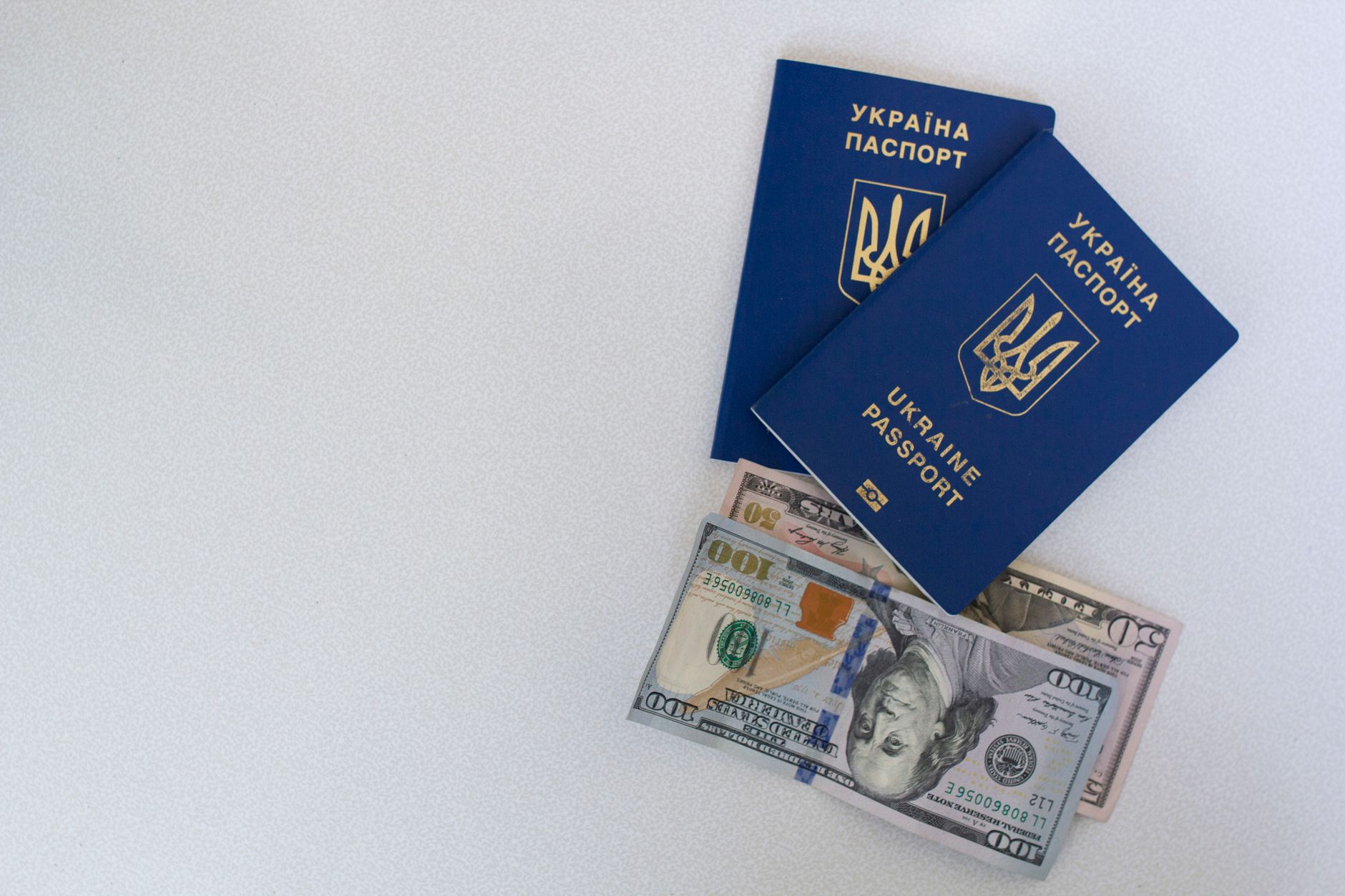
What TCS on foreign remittances actually is
The single most important thing to understand: TCS is not an extra tax. It is a slice of money the bank or forex dealer collects on the government's behalf when you remit funds abroad, and parks against your PAN. It then appears in your Form 26AS and Annual Information Statement (AIS). When you file your income tax return, you set it off against your total tax liability — and if you owe less than what was collected, you get the difference back as a refund.
In other words, TCS is a cash-flow inconvenience, not a permanent cost. The catch is that your money sits with the government, interest-free, until you file and the refund is processed — which can be several months. For large remittances, that timing matters.
TCS sits on top of the LRS, the RBI window that lets every resident individual send up to USD 250,000 abroad per financial year for permitted purposes — travel, education, medical treatment, investments, gifts to relatives, and buying overseas assets. TCS is the tax-department's way of keeping tabs on who is moving how much out of the country.
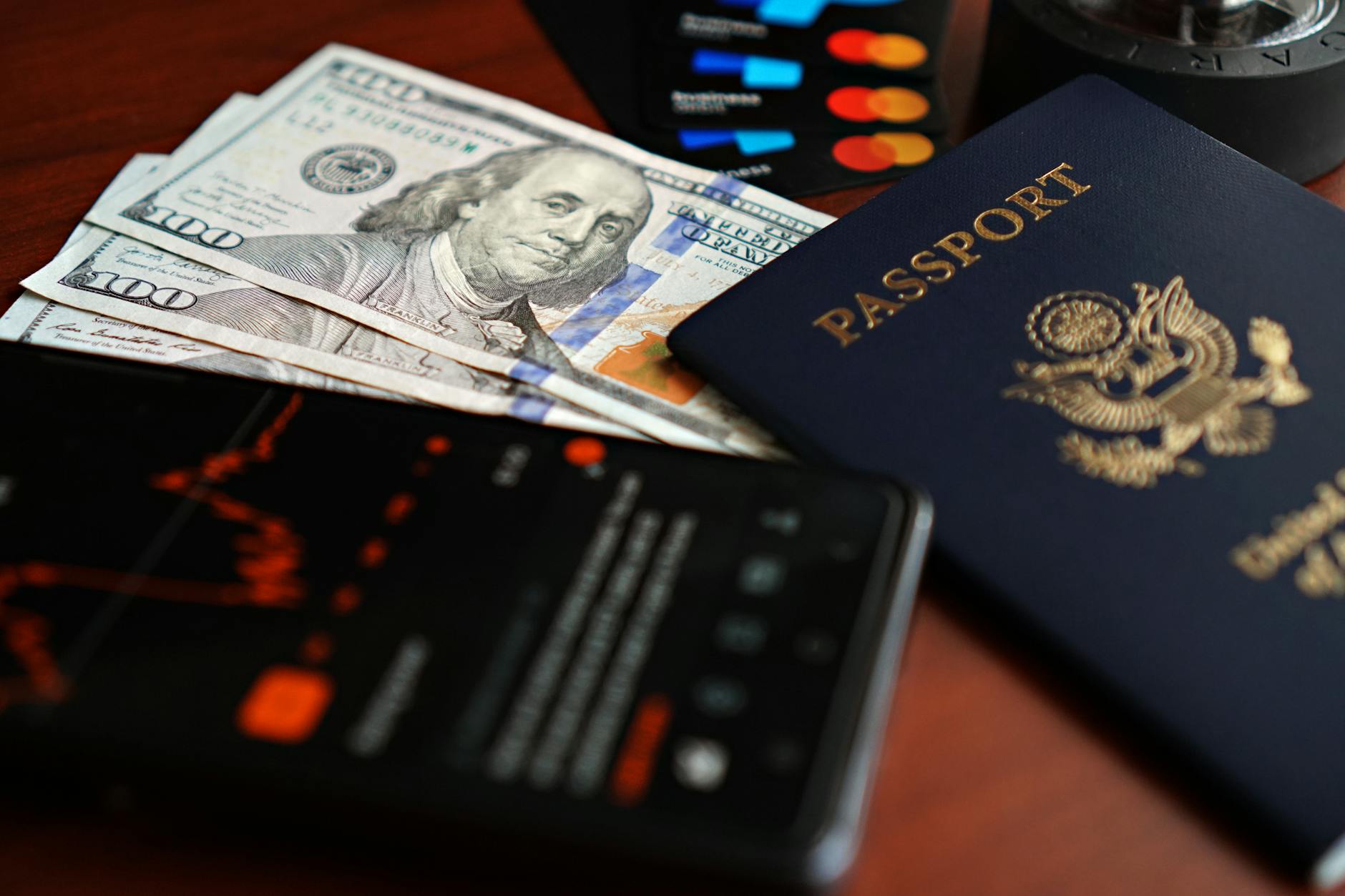
The ₹10 lakh threshold, and why it helps ordinary families
The biggest relief from Budget 2025 is the higher floor. Earlier, TCS started biting once your remittances crossed ₹7 lakh in a year. Now the first ₹10 lakh of LRS remittances in a financial year attract no TCS at all for most purposes.
That single change takes the vast majority of regular users out of the net. A family booking a ₹6 lakh European holiday, a freelancer paying ₹4 lakh for an overseas software subscription, or a parent sending ₹8 lakh in living expenses — none of them face any collection now. The threshold is cumulative across the year and across purposes, so it's your total LRS outflow that counts, not each transaction in isolation.
One nuance worth remembering: the ₹10 lakh limit is per remitter, not per bank. If you split remittances across two banks, each bank only sees its own slice — but you are still legally responsible for the aggregate. Honest disclosure at ITR time is what keeps you clean.
The rate card: what you pay, and on what
The rate depends entirely on why you are sending money. Here is the practical breakdown for amounts above ₹10 lakh in a year:
- Foreign education funded by a loan — 0% TCS. If your overseas course is paid for via a loan from a recognised financial institution under Section 80E, no TCS is collected, whatever the amount. Budget 2025 removed even the earlier token 0.5%.
- Self-funded education and medical treatment — 5% on the amount above ₹10 lakh. So if you self-fund ₹15 lakh of fees, TCS applies on ₹5 lakh.
- Overseas tour packages — 5% up to ₹10 lakh, and 20% on the portion beyond ₹10 lakh.
- Everything else — investments in foreign stocks or funds, gifts to relatives abroad, buying overseas property — 20% on the amount above ₹10 lakh.
That 20% on investments and gifts is the one that stings, and it's deliberate: the government wants advance visibility on large capital outflows. If you're sending ₹30 lakh to buy US equities, expect roughly ₹4 lakh (20% of the ₹20 lakh above the threshold) to be collected up front — refundable, but tied up.
The credit card loophole that still stands
Here is a quirk many travellers exploit, knowingly or not: spending on an international credit card while abroad is currently outside the LRS, and therefore attracts no TCS. A government attempt in 2023 to bring overseas credit card spends under LRS was deferred amid an outcry, and that deferral still holds.
This creates a clear practical split:
- Forex cards, debit cards, and wire transfers — count toward your LRS limit and can attract TCS above ₹10 lakh.
- Credit cards used overseas — do not count toward LRS and escape TCS.
That doesn't make credit cards a tax dodge — they still carry forex markup fees (often 2–3.5%) and the spending is reported to authorities through other channels. But for a traveller hovering near the threshold, it's a legitimate way to avoid having cash locked up. Just don't treat it as permanent; the rule could change in any future budget.
How to get your TCS money back — the actual steps
Since TCS is fully creditable, the real skill is recovering it efficiently. Two routes matter:
If you're salaried: Since October 2024, you can hand your employer a declaration (via Form 12BAA) reporting the TCS already collected on your foreign remittances. Your employer then reduces the TDS on your salary accordingly, so your monthly take-home isn't squeezed twice. This is the cleanest fix — it stops the cash being locked up in the first place. Ask your HR or payroll team; many employees simply don't know this option exists.
Everyone, at ITR time:
- Check that the TCS appears in your Form 26AS and AIS — match it against your remittance receipts.
- While filing your return, claim the TCS credit in the relevant schedule; it gets adjusted against your total tax due.
- If your tax liability is lower than the TCS collected, the excess is refunded after processing.
- Keep your forex dealer's TCS certificate and remittance proofs in case of a mismatch.
The lesson: never treat TCS as a sunk cost. People who don't file returns, or who ignore the AIS entry, are the only ones who genuinely lose this money.
Why this matters more every year
India's outbound spending is climbing — more students abroad, more global investing through international brokerages, more leisure travel. The government has used TCS as both a revenue-timing tool and a surveillance lever on capital flight, which is why the rates on investments and gifts stay high even as the travel-and-education floor was eased.
For a typical reader, the practical playbook is simple. Stay under ₹10 lakh a year and you're untouched. If you cross it, know your purpose-wise rate, route education through a recognised loan to hit 0%, use a credit card abroad where it genuinely helps, and — above all — file your return and claim every rupee of TCS back. Treated right, the TCS on foreign spends rule is a paperwork step, not a penalty.
What comes next is worth watching: the long-rumoured move to fold international credit card spends into LRS resurfaces periodically, and the new income-tax framework taking effect from April 2026 may reshape how these credits are claimed. For now, the ₹10 lakh cushion is the most generous it has been in years — use it well.


