Photo: Ankit Bhattacharjee / Pexels
US's 12.5% Forced-Labour Tariff on India: What It Means
The United States has fired a fresh shot in its long-running tariff saga, and India is once again in the crosshairs. The US Trade Representative (USTR) has proposed an additional 12.5% tariff on imports from India and 53 other countries, accusing them of failing to properly ban goods made with forced labour. India has flatly rejected the allegations — but the timing, landing in the middle of delicate trade talks, makes this far more than a routine notice.
Here is what the proposal actually says, why it targets some of India's most jobs-heavy export sectors, and what happens between now and the July deadlines that will decide its fate.
What the US has actually proposed
This is not a blanket Trump-style reciprocal tariff. It is the result of a Section 301 trade investigation that the USTR self-initiated in March 2026, probing roughly 60 economies over how seriously they police imports linked to forced labour. The US has banned such imports at home for nearly a century under Section 307 of its Tariff Act of 1930 — and it now wants trading partners to mirror that.
The proposal sorts countries into two tiers:
- 10% additional duty — for economies that already prohibit forced-labour imports, maintain a partial regime, or have committed to action through a reciprocal trade agreement.
- 12.5% additional duty — for everyone else that the USTR says lacks an effective prohibition altogether. India sits in this higher bracket, alongside major economies including China, Japan, Brazil, Australia, the UK and Saudi Arabia.
A separate group of six — Canada, Ecuador, the European Union, Indonesia, Mexico and Pakistan — were flagged as having rules on paper but enforcing them weakly. The headline number for India, then, is the steeper one: 12.5%, stacked on top of existing duties.

Why textiles are India's soft spot
If this proposal stings, it stings hardest in the factories of Tirupur, Ludhiana and Surat. The USTR's documents flag India across a long list of goods — cotton, aluminium, cocoa, coffee, fish, nickel, palm oil and rice among them — but the real exposure is in labour-intensive manufacturing.
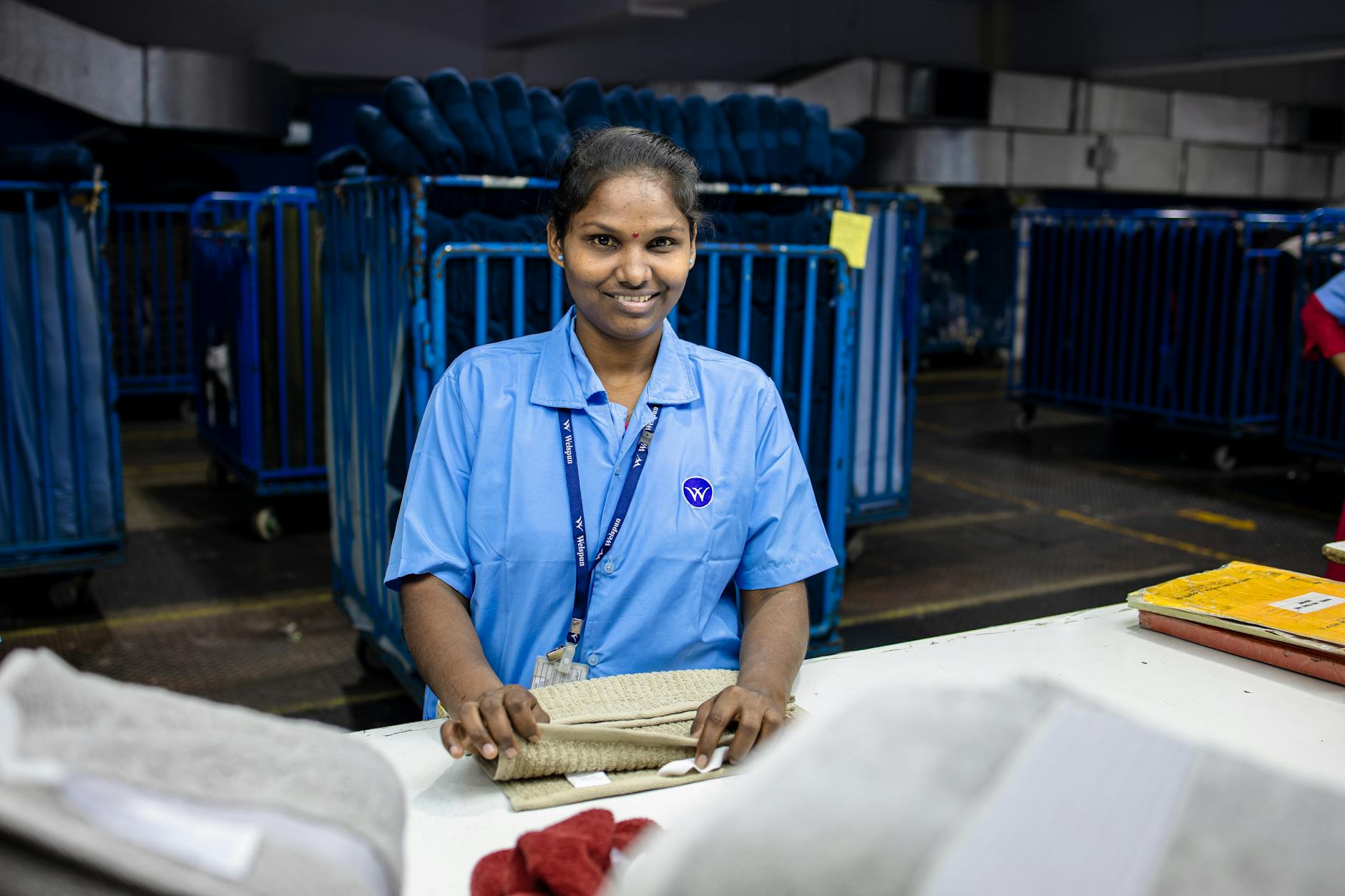
The numbers explain the alarm. India exported around $36 billion in textiles and clothing last year, and roughly $11 billion of that — about 40% — went to the United States, its single biggest market. An extra 12.5% levy would land directly on garments, leather goods, handicrafts and home textiles, sectors that employ millions and run on thin margins.
India's seafood industry is also watching closely. Shrimp exporters have already weathered US duties and anti-dumping scrutiny, and forced-labour allegations attached to aquaculture supply chains could add another layer of cost and paperwork at the worst possible time.
How India has hit back
New Delhi's response has been quick and unambiguous: the allegations are wrong, and the venue is wrong too. India has categorically denied the forced-labour claims, and industry leaders have been blunt. The chairman of the Confederation of Indian Textile Industry (CITI) described the allegations as "completely false" and the proposal as unfair, warning it poses a serious threat to the country's textile exports.
The government's preferred route is diplomatic rather than confrontational. India's negotiating team is pushing to fold the issue into the ongoing bilateral trade negotiations with Washington, hoping to defuse the duty before it ever takes effect rather than fighting it after the fact.
Trade analysts, however, urge a tougher posture. The think tank GTRI has argued that India should formally challenge the proposal during the public-comment process, pointing out that a Section 301 action of this breadth — penalising dozens of countries at once over domestic labour-enforcement standards — rests on contested legal ground.
This is a proposal, not yet a tariff
It is worth slowing down on one crucial point that headlines often blur: nothing has been imposed yet. What the USTR has published is a proposal that triggers a formal public process, and the calendar matters.
- June 22, 2026 — deadline for interested parties to request to testify.
- July 6, 2026 — deadline for written comments from governments, companies and trade bodies.
- July 7, 2026 — the USTR holds public hearings on the proposed measures.
Only after this window closes will Washington decide whether to finalise the duties, soften them, or quietly let them lapse. Indian exporters, industry associations and the government all have a real opportunity to file objections and evidence in the interim — which is exactly why the next few weeks of lobbying will matter more than the alarming percentage in the headline.
A possible escape hatch for garments
There is one detail that could soften the blow specifically for clothing. The USTR's report sketches out a separate, volume-based mechanism for textiles and apparel, under which a set quota of these goods from selected economies could enter the US at a lower tariff rate.
For India, where textiles are among the largest exports to America, the fine print of these quota allowances could prove decisive. A favourable volume allocation might let a chunk of Indian garment shipments dodge the full 12.5% — turning the coming negotiation over numbers and thresholds into something Indian manufacturers will follow far more anxiously than the broad political rhetoric.
Why this matters beyond the tariff line
Strip away the legal jargon and this episode is really about a shifting standard in global trade. The US is increasingly using forced-labour compliance — once a niche customs issue — as a lever to reshape supply chains and pressure partners on how they run their own factories and farms.
For India, the stakes are layered. There is the immediate hit to export competitiveness if duties land on price-sensitive goods. There is the reputational sting of being named in a forced-labour probe, which Indian industry insists misreads its supply chains. And there is the strategic question of how much of its domestic labour and import policy India is willing to align with US demands to keep tariff relief flowing.
The smart reading for now is cautious, not catastrophic. A 12.5% duty would clearly hurt key sectors, but it remains a proposal inside a comment window, wrapped up in trade talks that both sides have an interest in concluding. Whether it becomes a real cost on Indian shop floors or a bargaining chip that gets traded away will be settled not by the headline, but by what India files — and negotiates — before the July deadlines close.