Photo: Tom Fisk / Pexels
Buying a Used EV in India? Check the Battery's SoH First
Buying a used electric car can save you several lakh over a new one — but unlike a petrol hatchback, where the engine usually outlives the loan, an EV hides almost all of its value and its risk inside one component: the battery. Before you transfer a single rupee for a second-hand EV in India, you need to check the battery's State of Health (SoH). Treat it exactly like you'd treat an odometer: a number that can be flattering, fudged, or quietly devastating.
India's used-EV market is finally maturing in 2026. The first big wave of cars like the Tata Nexon EV, MG ZS EV and Tata Tigor EV sold from 2020 onwards is now hitting resale platforms at tempting prices. The catch is that a five-year-old EV with a tired pack and a six-year-old EV with a healthy one can look identical in photos — and cost the same — while being worlds apart in real range and resale value.
SoH vs SoC: don't confuse the two numbers
The single most common mistake first-time EV buyers make is reading the wrong percentage. There are two:
- State of Charge (SoC) is how full the battery is right now — like the fuel gauge. It changes every time you drive or plug in. A reading of 100% SoC tells you nothing about the battery's long-term health.
- State of Health (SoH) is how much of the battery's original capacity still remains after years of charging cycles. A brand-new pack is 100% SoH. After heavy use it might drop to 85%, 80% or lower.
A dishonest seller will happily show you a full charge (100% SoC) and let you assume the battery is as good as new. It isn't. You want the SoH figure, and you want it documented.
Why the battery is 40-50% of the car's value
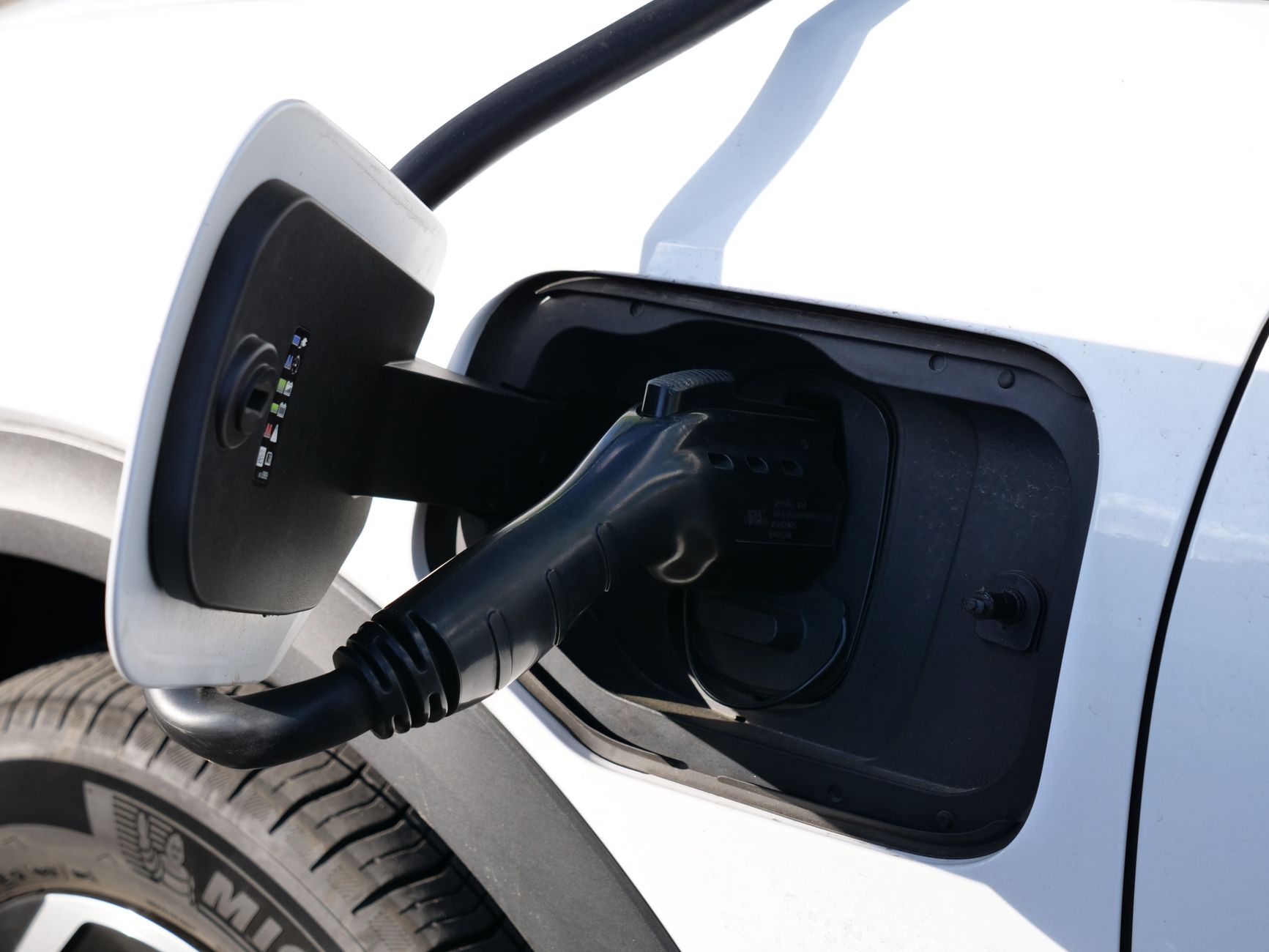
In a used EV, the battery pack is the most expensive part by far — often 40-50% of the car's value. A replacement pack out of warranty can cost several lakh, sometimes approaching what a used budget EV is worth. So a weak battery doesn't just shorten your range; it can make the whole car financially worthless the day the warranty lapses.
That's why SoH matters more than mileage, paint or service history combined. A car that has done 90,000 km gently in one city can have a healthier pack than one that did 40,000 km of constant DC fast-charging and triple-digit highway runs in 45°C heat. Kilometres on the clock are a poor proxy; SoH is the truth.
How EV batteries actually degrade in Indian conditions
Lithium-ion packs lose capacity gradually — roughly 2-3% a year under normal use, though this varies a lot. Three factors accelerate the decline, and all three are common in India:
- Heat. Sustained high temperatures are the enemy of lithium-ion chemistry. A car that lived its life parked under the open sun in Delhi, Ahmedabad or Chennai will typically degrade faster than one in a cooler hill town or a basement garage.
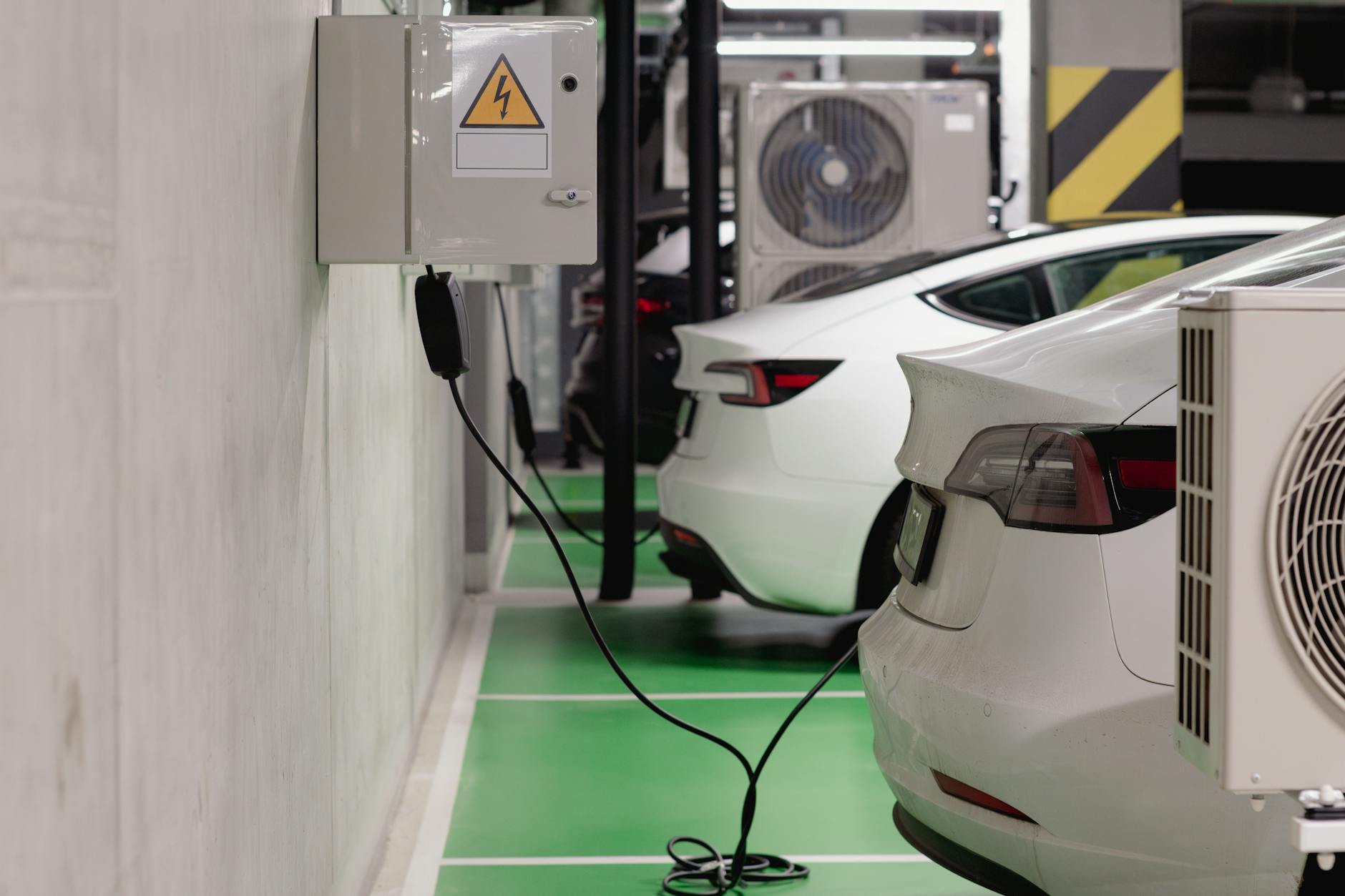
- Fast-charging habits. Frequent DC fast-charging stresses the cells more than slow home AC charging. Ask how the previous owner usually charged — daily fast-charging is a yellow flag.
- Living at the extremes. Routinely charging to 100% and running down to near-zero is harder on the pack than the gentler 20-80% band most EV makers quietly recommend.
None of these are dealbreakers on their own, but together they explain why two cars of the same age can have very different SoH.
The five checks before you pay
Here's a practical, do-it-yourself inspection routine that doesn't need a lab:
- Ask for the SoH number in writing. Many authorised dealers and certified used-car platforms can now pull a battery health certificate from the car's systems. If a seller won't or can't produce one, factor that uncertainty into your offer — or walk.
- Read it yourself with an OBD-II dongle. A cheap OBD-II Bluetooth adapter plus an EV-specific app (there are several for popular models) can display SoH directly from the battery management system. This is the closest thing to an honest second opinion.
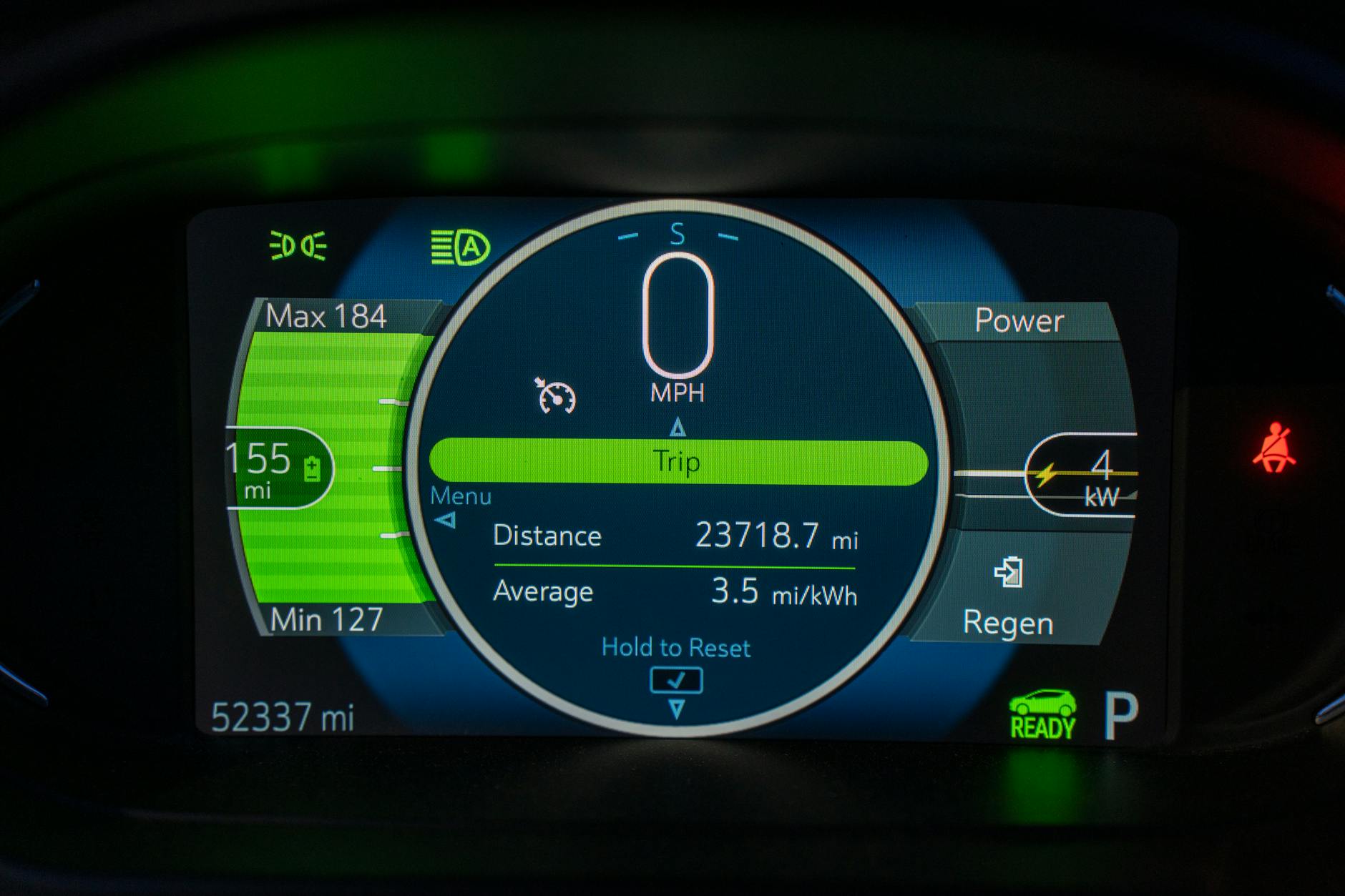
- Do a real range test. Charge to 100%, note the dashboard range, then drive a fixed loop — say 30-40 km of mixed roads — and see how much range actually disappears. The dashboard's estimate (the "guess-o-meter") is optimistic; a real drive exposes a tired pack fast.
- Check the warranty clock. Most mainstream Indian EVs carry a separate battery warranty, commonly around 8 years or 160,000 km, whichever comes first. Confirm two things: how much of it is left, and that it transfers to you as the second owner. Get the brand to confirm transfer conditions in writing.
- Inspect for abuse and accident history. Look under the car for any signs the battery floor was scraped, flooded or repaired. Pack damage from a bad pothole strike or waterlogging is expensive and not always covered.
What SoH number is 'good enough'?
There's no single magic figure, but useful rules of thumb help:
- Above 90% SoH: excellent for a used car; pay close to the asking price if everything else checks out.
- 80-90%: normal and acceptable for a car a few years old. Negotiate gently using age and range.
- 70-80%: usable but ageing. Make sure the warranty still has years left and price accordingly.
- Below 70%: a red flag. This is often the level at which manufacturers consider a pack eligible for warranty replacement, so a car here is only attractive if the warranty is intact and you plan to claim it.
Remember that winter or monsoon range drops are partly temporary — cold and heavy AC use sap range without permanently harming the pack. Don't mistake a cold-morning dip for true degradation; that's another reason to test on a normal day and lean on the SoH number rather than a single drive.
The bottom line for Indian buyers
A used EV can be one of the smartest value buys on the road today — lower running costs, less maintenance, and steep depreciation already absorbed by the first owner. But the maths only works if the battery is healthy and the warranty is on your side.
So flip the priorities you'd use for a petrol car. Service history and shiny paint come second. State of Health, warranty transfer and a real-world range test come first. Get those three right, and a second-hand EV becomes a genuine bargain instead of an expensive lesson waiting to happen.


