WNBA All-Star Voting Fight: Fans vs Players Explained
The WNBA All-Star voting clip everyone is arguing about
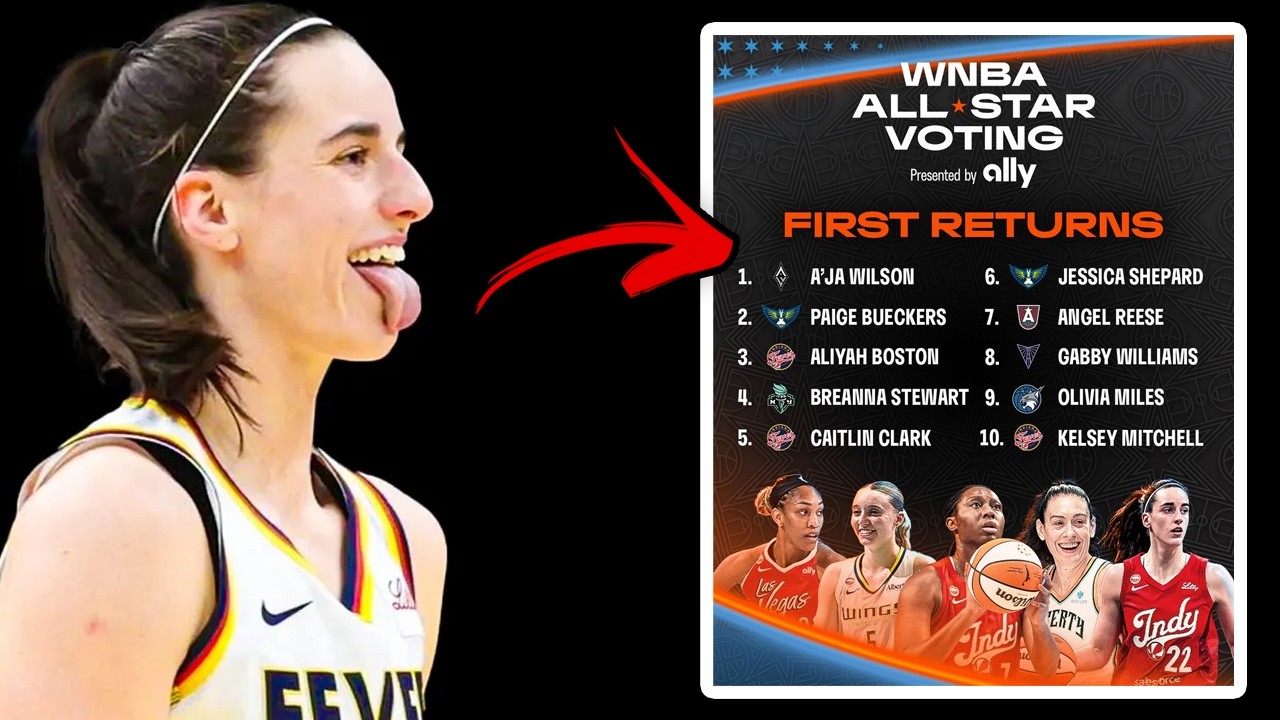
A YouTube video titled around the idea that WNBA All-Star voting has gone "crazy" is racking up views and comments, and it has reignited one of the most recurring fights in American basketball: should the biggest fan magnets start the showcase game, or should the choice lean on what coaches, players and analysts think? The clip itself is embedded for readers, but the louder story is the argument it has set off across social feeds.
The short version is familiar to anyone who follows All-Star season in any sport. A popularity-driven ballot collides with a performance-driven sense of who "deserves" it, and the gap between the two becomes the content. What makes the WNBA version genuinely interesting in 2026 is that the league is in the middle of the fastest audience growth in its history, so the stakes of that gap feel higher than ever.
How the voting math really works
Most of the online heat comes from a simple misunderstanding: many fans assume the public picks the team outright. It doesn't. The WNBA uses a weighted formula for starters, and the breakdown matters.
- Fans: 50% of the vote for starters
- Current WNBA players: 25%
- A media panel: 25%
The top vote-getters under that blended formula become the starting lineup, usually split by guards and frontcourt positions. Crucially, the reserves are not part of this fan equation at all. They are chosen by the league's head coaches, who tend to reward production, defence and team success rather than name recognition.
That structure is the key to reading any "snub" headline. A player can finish low in the public vote and still make the squad comfortably as a coach's pick. So when a clip implies a deserving star was "left out" because fans didn't push her, the reserve round often quietly fixes it.
Why the gap goes viral
The drama is baked into the design. Whenever you mix a public ballot with expert input, you will get cases where the three groups disagree, and those mismatches are irresistible content. A guard who is a social-media phenomenon can lead the fan vote while ranking noticeably lower among players and media. The reverse also happens: a relentless two-way player respected inside the league can be a media and player favourite while trailing in public votes.
Videos like the one trending now thrive on that friction. They line up the three columns, point at the biggest divergence, and let the comments do the rest. It is the same engine that powers All-Star debates in basketball, cricket and football the world over. The difference is tone: in a league still fighting for mainstream attention, every voting quirk gets read as a referendum on the sport's direction.
It is worth being precise here. A large fan-vote lead is not evidence that the system is broken, and a player ranking high with fans is not proof she is overrated. The formula is doing exactly what it was built to do, which is to give supporters a real say without handing them the whole decision.
The Caitlin Clark effect, and why numbers exploded
No conversation about modern WNBA voting avoids Caitlin Clark. Since arriving from college as one of the most-watched players the women's game has produced, she has dragged television ratings, ticket sales and online engagement to levels the league had not seen. That popularity shows up directly in the ballot.
When a single player commands that kind of following, her fan totals can dwarf the field, and that naturally widens the visible gap with the player and media columns. Critics frame this as a popularity contest distorting the result. Supporters argue it is the whole point of a fan vote, and that a star who fills arenas has earned the spotlight a starting nod brings.
Both sides have a case, and the honest read is that the truth sits in between. The voting numbers around Clark are genuinely record-setting for the league, which is good news for the WNBA's commercial health. At the same time, the louder a single name gets, the more the structure gets stress-tested, because every other contender is now measured against an outlier.
A note on accuracy: specific 2026 vote tallies and final rosters move quickly during All-Star season, and exact figures circulating in viral clips are not always verified. Treat precise numbers in such videos with caution until the league confirms them.
The deeper tension: popularity versus merit
Strip away the personalities and this is a governance question every league eventually faces. How much should the most engaged customers decide who represents the sport at its marquee event? Lean too far toward fans and you risk turning the team into a follower count. Lean too far toward insiders and you alienate the audience whose attention the league is desperate to keep.
The WNBA's 50-25-25 split is a deliberate compromise, and the recurring controversy is arguably a sign it is working rather than failing. A truly broken system would produce indefensible teams. What we mostly get instead is reasonable teams with one or two debatable calls, which is exactly the kind of argument that keeps people watching.
There is also a generational shift underneath all this. A wave of young stars has arrived at once, the talent pool is deeper than it has been in years, and there are simply more credible All-Star candidates than spots. When the supply of deserving players outstrips availability, every selection method will leave someone aggrieved.
What happens next
The immediate sequence is predictable. Fan voting windows close, the weighted starters are revealed, and then coaches announce the reserves, which is when most of the "snub" anger gets resolved or hardens. Expect a second viral cycle at that point, because the reserve list always rewards a few players the public overlooked and overlooks a few the public loved.
A few things worth watching as the season's showcase approaches:
- Whether record vote totals hold, which would confirm the audience surge is structural and not a one-off spike.
- How wide the fan-versus-player gap runs, since a very large gap will fuel calls to tweak the weighting.
- Which coaches' picks correct the snubs, the quiet step that usually deflates the loudest outrage.
- Any league response, from messaging to potential future adjustments in how the vote is balanced.
Why this matters beyond one video
For a sport that spent years fighting for airtime, an All-Star voting controversy is a strange kind of success. It means enough people care to argue. The trending clip is less a scandal than a snapshot of a league growing faster than its old habits, with a fan base passionate enough to turn a ballot into a national debate.
For viewers in India and elsewhere following from a distance, the appeal is straightforward. You get genuine star power, a tight talent race, and a transparent voting fight that rewards paying attention. The smart way to watch the noise is to remember the structure: fans shape the starters, coaches shape the team, and the gap between popularity and merit is not a bug in the WNBA's showcase. It is the show.