Photo: Darya Sannikova / Pexels
2026 Is the New 2016: India's Big Nostalgia Reset
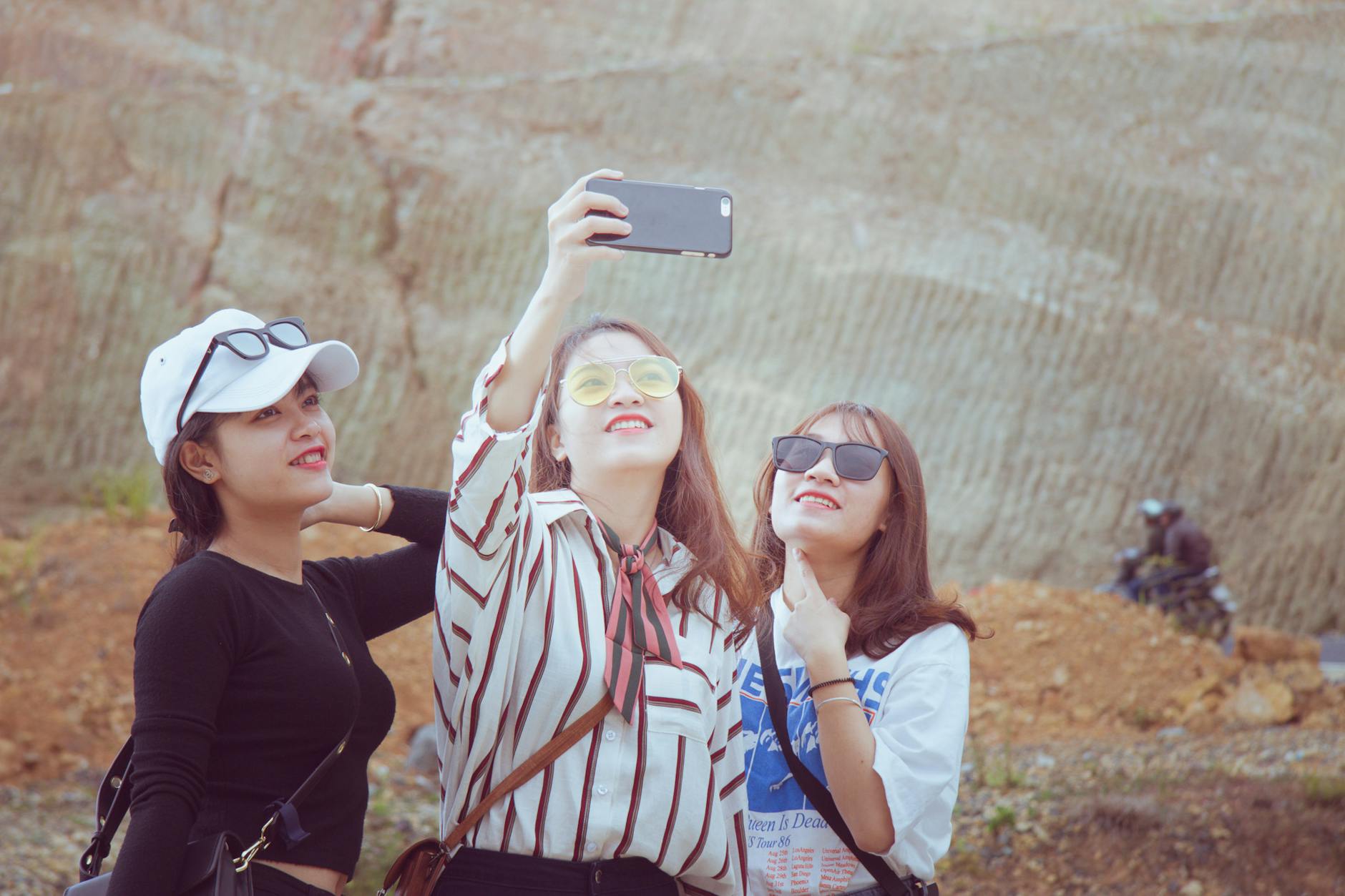
Scroll through any Indian Instagram feed this week and you will hit the same wall of grainy throwbacks: flower-crown selfies, Snapchat dog filters, screenshots of Musical.ly, and captions insisting that 2026 is the new 2016. What began as a New Year's Eve montage on a single foreign account has snowballed into one of the largest internet-culture moments of the year, and India has not just joined in. It has made the trend its own, layering a decade-old memory of free data, viral cricket-and-badminton glory and theatre-shaking blockbusters on top of the global wave.
The premise is deceptively simple. Ten years on, people are treating 2016 as a lost golden age of the internet and recreating its aesthetic frame by frame. But the more you look, the clearer it becomes that this is not really a fashion revival. It is a quiet referendum on how the last ten years have actually felt.
Why 2026 Is the New 2016 Took Over Feeds
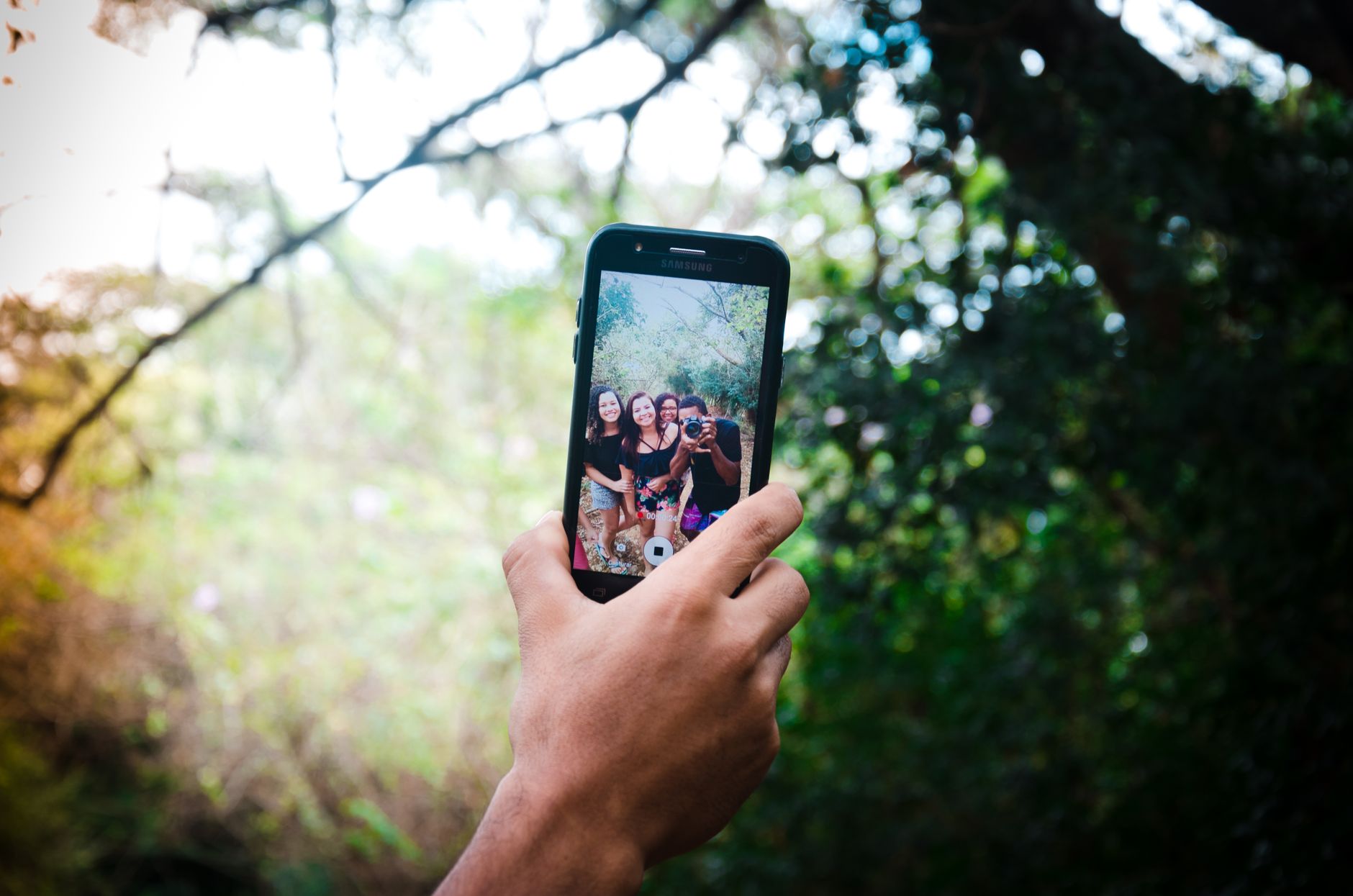
The spark came at the very end of 2025, when a montage of peak-2016 imagery, dabbing, bottle flips, festival wristbands, Desiigner's 'Panda' on loop, started circulating and racking up views. Within the first weeks of January, searches for '2016' on short-video apps shot up, old filters were dusted off, and millions of clips began carrying the same nostalgic stamp. Songs that defined the year, like Zara Larsson's 'Lush Life', climbed back into circulation as people scored their throwback edits with them.
The format is easy to copy, which is half the reason it spread so fast. You pick a 2016 reference, the Mannequin Challenge, a Pokemon Go screenshot, a skinny-jeans mirror selfie, and rebuild it with a 2026 caption. Low effort, high reward, instantly legible to anyone who was online a decade ago. That accessibility turned it from a niche joke into a participatory ritual almost overnight.
India's Own 2016: Jio, Pokemon Go and a Year That Changed Everything
For Indians, the nostalgia lands differently because 2016 was a genuinely pivotal year, not just an aesthetic one. This was the year Reliance Jio arrived and effectively gave the country free 4G data for months, dragging tens of millions of first-time users onto the mobile internet and rewiring how the nation streamed, scrolled and shared. Almost everything that followed, the video boom, the meme economy, the creator class, traces back to that moment.
It was also the year Pokemon Go turned ordinary streets and parks into hunting grounds, with strangers comparing Pikachu sightings in a way that felt charmingly analogue despite the app. PV Sindhu's silver at the Rio Olympics and Sakshi Malik's bronze gave the country two new sporting heroes overnight. On screen, Rajinikanth's 'Kabali' shut down offices and triggered fan frenzy, while 'Dangal' closed the year as a phenomenon that would go on to break records well beyond India.
And then there were the memes that only India produced: 'Sonam Gupta bewafa hai' scrawled across currency notes, a punchline that exploded precisely because late 2016 had everyone staring at banknotes in long, weary queues. Which brings us to the part of the nostalgia nobody is editing into their montages.
The Year Wasn't Actually That Easy
Here is the awkward truth the trend politely ignores: 2016 was not a soft, frictionless paradise. In India, the year ended with demonetisation, when high-value notes were withdrawn overnight and millions stood in serpentine bank queues for weeks. Globally it was a year of political shocks and genuine anxiety. The clips going viral now have been carefully curated to keep all of that out of frame.
That selective memory is the whole point. Nostalgia rarely remembers a year accurately; it remembers how that year felt before you knew what came next. People are not really missing 2016. They are missing the version of themselves that existed before the things that came after, the pandemic, the layoffs, the relentless algorithmic churn, had happened yet.
What Indian Gen Z Is Really Mourning
The deeper read, and the one cultural commentators keep returning to, is economic and emotional rather than aesthetic. For Indian Gen Z, many of whom were children or early teens in 2016, the year symbolises a window when the internet still felt like a playground rather than a marketplace. Feeds were chronological, filters were silly, and content came from people you actually knew rather than from an engine optimising for your attention.
It was also, crucially, a cheaper-feeling world. The 2016 they are romanticising is one of subsidised rides, underpriced food delivery and a sense that the basic costs of living were not quietly climbing every quarter. For a generation now navigating expensive cities, precarious gig and contract work, and a job market reshaped by automation, those grainy clips of carefree evenings double as evidence of an easier universe that slipped just out of reach.
In other words, the trend is part comfort blanket, part soft protest. Recreating a 2016 selfie is a low-stakes way of saying that something about the present feels heavier than it should, without having to spell it out.
Why It Hits Harder in the Age of AI
There is a reason this particular reset is landing in 2026 specifically, and it has a lot to do with what feeds look like now. The internet of 2016 was messy, human and unmistakably real. The internet of 2026 is increasingly populated by AI-generated images, synthetic voices and content engineered to be impossible to scroll past. Against that backdrop, a blurry phone photo from ten years ago reads as authentic in a way that feels almost radical.
That is the quiet anxiety underneath the fun. People are not just nostalgic for old memes; they are nostalgic for a time when they could trust that the thing on their screen was made by a person and not a model. The 2016 aesthetic, with its imperfect lighting and unpolished edges, has become shorthand for 'this actually happened'.
What the Trend Says About Where We Go Next
Like every viral format, this one has a shelf life, and the recreations will eventually feel as tired as the originals once did. But the impulse behind it is unlikely to fade, because nostalgia tends to intensify exactly when the present feels uncertain. Marketers have already noticed: expect a wave of 2016-coded campaigns, retro app skins and 'ten years ago today' throwbacks designed to ride the sentiment while it lasts.
The more interesting question is what India's own digital story looks like when the next ten-year reset arrives. If 2016 was the year a billion people came online, the 2026 we are living through, dominated by AI, quick commerce and an internet that knows us a little too well, may itself become the object of someone's wistful montage in 2036. The trend is a reminder that the present is always somebody's future nostalgia, and that the version we choose to remember will, once again, leave out the queues.
For now, the appeal is straightforward. In a year that feels fast, automated and faintly exhausting, dabbing badly into a phone camera and pretending it is still 2016 is a small, harmless act of rebellion. And judging by the feeds, an awful lot of people needed one.
Source: thestatesman.com