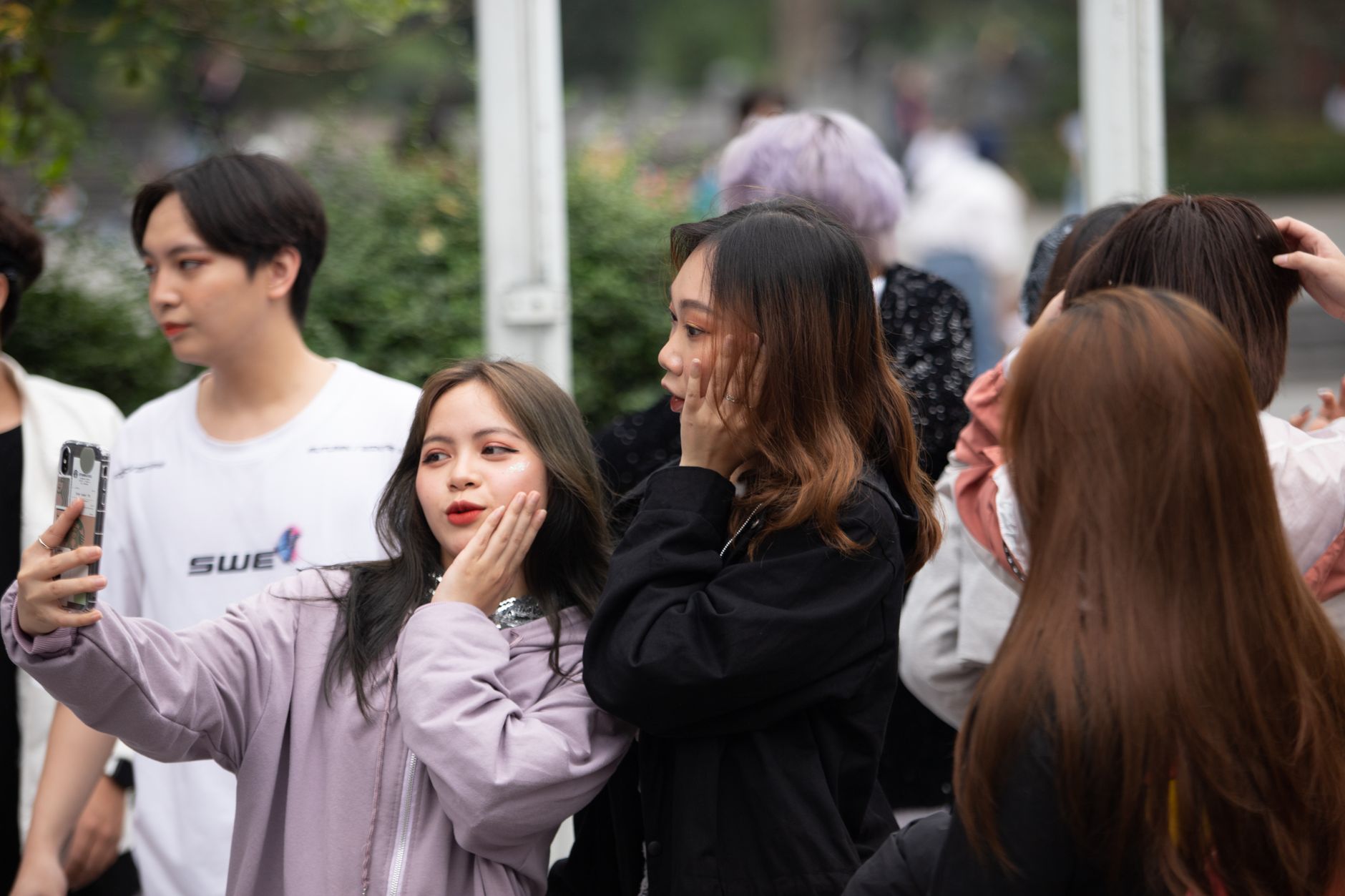
Photo: Lê Đức / Pexels
2026 Is the New 2016: Why India's Gen Z Is Rewinding the Internet
If your feed suddenly looks like a decade-old time capsule, you are not imagining it. Across Instagram Reels, YouTube Shorts and X, millions of young Indians have decided that 2026 is the new 2016 — and they are recreating it frame by frame. Puppy-dog Snapchat filters are back. So are skinny jeans selfies, dabbing, the Mannequin Challenge, and playlists that could have soundtracked a school farewell ten years ago. What began as a few throwback montages on the last night of 2025 has snowballed into one of the biggest digital-culture moments of the year, and India is one of its loudest participants.
The trend is equal parts harmless fun and quiet confession. Underneath the bottle-flip nostalgia is a generation telling on itself: many of them genuinely believe the internet was better, friendlier and more human back then. Whether that is true or just a trick of memory, the feeling is real — and it says a lot about how India's young people are experiencing the present.

Where the 2016 Nostalgia Wave Actually Started
The spark was almost accidental. In the final days of December 2025, a handful of creators posted montages of mid-2010s culture — Pokémon Go raids, Vine clips, oversaturated photos with heavy filters — and floated the idea of treating 1 January 2026 as a kind of internet "reset day." The maths was irresistible: 2026 sits almost exactly a decade after 2016, close enough for a clean anniversary, far enough that the era feels genuinely lost.
The hashtag campaigns around bringing back 2016 took off within days. The BBC reported sharp jumps in searches for "2016" on short-video platforms in the first weeks of January, and the wave quickly outgrew its American origins. By the time Indian creators picked it up, it had a local accent — old Bollywood song edits, 2016-era makeup tutorials, throwback college outfits, and "2016 me vs 2026 me" comparison reels racking up huge view counts. What makes it stick is its low barrier to entry: you do not need a budget or a brand deal, just an old photo and a familiar song.

Why 2016 Specifically, and Not Any Other Year
Nostalgia trends usually orbit a 10-to-20-year cycle, but the affection for 2016 is unusually pointed. For a lot of Gen Z, 2016 was the last full year before everything changed. It came four years before the pandemic rearranged daily life. It predates the moment when algorithms, not friends, decided what you saw. And crucially, it is remembered as the time before artificial intelligence began flooding feeds with synthetic faces, voices and text.
Creators who lived through it describe 2016 as the tail end of a golden era — a stretch when posting felt like play rather than performance. Back then, the argument goes, people made content because it was fun, not because they were chasing reach or worrying about what the algorithm rewarded. Instagram still showed you posts in order. Snapchat streaks mattered more than analytics. The internet felt like a shared playground rather than a monetised marketplace. Strip away the rose tint and 2016 was hardly perfect, but the emotional memory is what is being sold here, not the historical record.
The India Angle: Anxiety Dressed Up as a Filter
In India, the trend lands on especially fertile ground. Viral nostalgia tends to spike when the present feels uncertain, and India's Gen Z has plenty to feel uncertain about. Many of them were raised on hustle-culture messaging, told that the right degree and enough grind would guarantee a stable career. They then graduated into a gig economy that often did not deliver, and they are now watching AI tools absorb exactly the kind of entry-level work they were trained for.
Seen through that lens, the rush back to 2016 is not really about dog filters. It is a coping mechanism. Revisiting a year that felt safe and full of possibility is a way of stepping out of a 2026 dominated by automation headlines, job-market anxiety and the strange experience of not always being able to tell whether a photo or a voice online is real. The aesthetic is cheerful, but the impulse behind it is closer to comfort-seeking. That is what separates this from a throwaway meme — it is nostalgia doing emotional work.
What the Trend Reveals About Our Relationship With AI
It is hard to miss the irony. A generation fluent in technology is using technology to mourn a less technological time. The villain in most of these reels, spoken or unspoken, is the AI-saturated feed — the sense that authenticity has become harder to find now that machines can manufacture it on demand.
That reaction is worth taking seriously beyond the joke. When millions of young people romanticise the pre-AI internet, they are quietly signalling fatigue: with polished perfection, with engagement-bait, with content that may or may not have a human behind it. The 2016 they are reaching for is shorthand for trust — the assumption that the person on the other side of the screen was, in fact, a person. The trend will fade, but that craving for something verifiably human is likely to outlast it, and it is a signal platforms and creators would be unwise to ignore.
Brands Are Already Cashing In on the Throwback
Where attention goes, marketing follows — fast. Nostalgia is one of advertising's most reliable levers, because memories carry emotion and emotion drives engagement. Indian brands that have long mined the 2000s and early 2010s for warm, familiar imagery now have an even sharper hook, and several are leaning into 2016-specific references, throwback packaging cues and "then versus now" creative.
The danger is overreach. Audiences, especially Gen Z, are quick to spot a brand cosplaying as a friend, and a clumsy nostalgia pitch reads as exactly the kind of cynical, algorithm-chasing content the trend is rebelling against. The campaigns that work will be the ones that feel like they are in on the memory rather than exploiting it. Get the tone wrong and the nostalgia curdles into eye-rolls.
What Comes Next After the Rewind
Like most internet moments, the 2016 revival will burn bright and then cool. Trend cycles are short, and the same feeds celebrating dabbing today will move on to the next thing within weeks. But a few things are likely to linger. Expect more deliberate "low-fi" posting — unfiltered photos, casual captions, a studied rejection of polish — as creators chase the 2016 feeling rather than the 2016 props.
There is also a sharper undercurrent worth watching: a growing demand for proof of humanity online. As AI-generated content becomes harder to distinguish from the real thing, the nostalgia for a pre-AI internet may harden into something more practical — a preference for creators, communities and platforms that feel unmistakably human. The dog filters are a punchline. The longing underneath them is not. For now, India's Gen Z is scrolling backwards to feel something forward-looking has taken away, and that quiet act of resistance may be the most telling part of the whole trend.
Source: en.wikipedia.org