Photo: Fabricio Abdon / Pexels
2026 Is the New 2016: India's Pre-Algorithm Grief
If your Instagram feed suddenly looks like a time capsule from a decade ago — puppy-dog Snapchat filters, oversaturated mirror selfies, bottle flips, and playlists you swore you'd deleted — you are not imagining it. The phrase 2026 is the new 2016 has become one of the most talked-about social media moments of the year, and nowhere is it landing harder than in India, where millions of young users are treating it less like a meme and more like a confession.
On the surface it is a harmless throwback game. Scratch a little, though, and you find something stranger and more honest: a generation quietly mourning the version of the internet it grew up on. What started as a few creators reviving old trends has snowballed into a cultural mood — equal parts joke, comfort blanket, and protest.
How '2026 Is the New 2016' Actually Started
The trend traces back to the final days of 2025. As the calendar flipped, creators began noticing a neat symmetry: 2026 sat almost exactly ten years after 2016, a year many now remember as a high-water mark for internet fun. One viral montage of 2016's biggest moments lit the fuse, and another creator floated the idea of treating January 1, 2026 as a kind of cultural reset button — a day to deliberately bring back the trends, sounds, and silliness of a decade earlier.
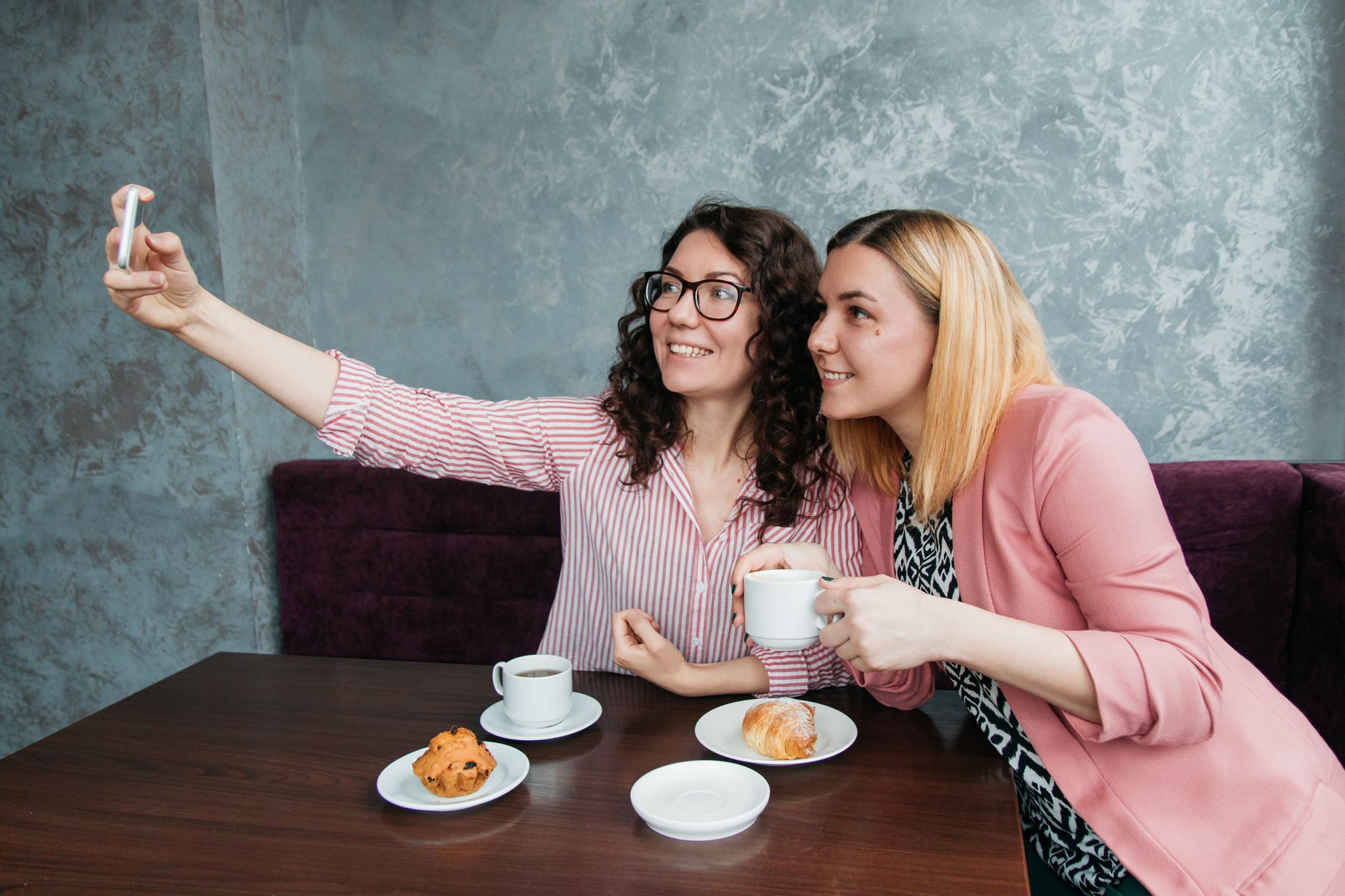
The hashtag #BringBack2016 quickly followed, spreading from TikTok to Instagram, Facebook, and YouTube. Participants started recreating the defining bits of that era: the Mannequin Challenge, the bottle flip, dabbing, low-resolution selfies bathed in too much saturation, and of course the Snapchat filters everyone pretended to hate but used anyway. The references piled up fast — Pokémon Go walks, Vine clips, Dubsmash duets, and the music and films that soundtracked that summer.
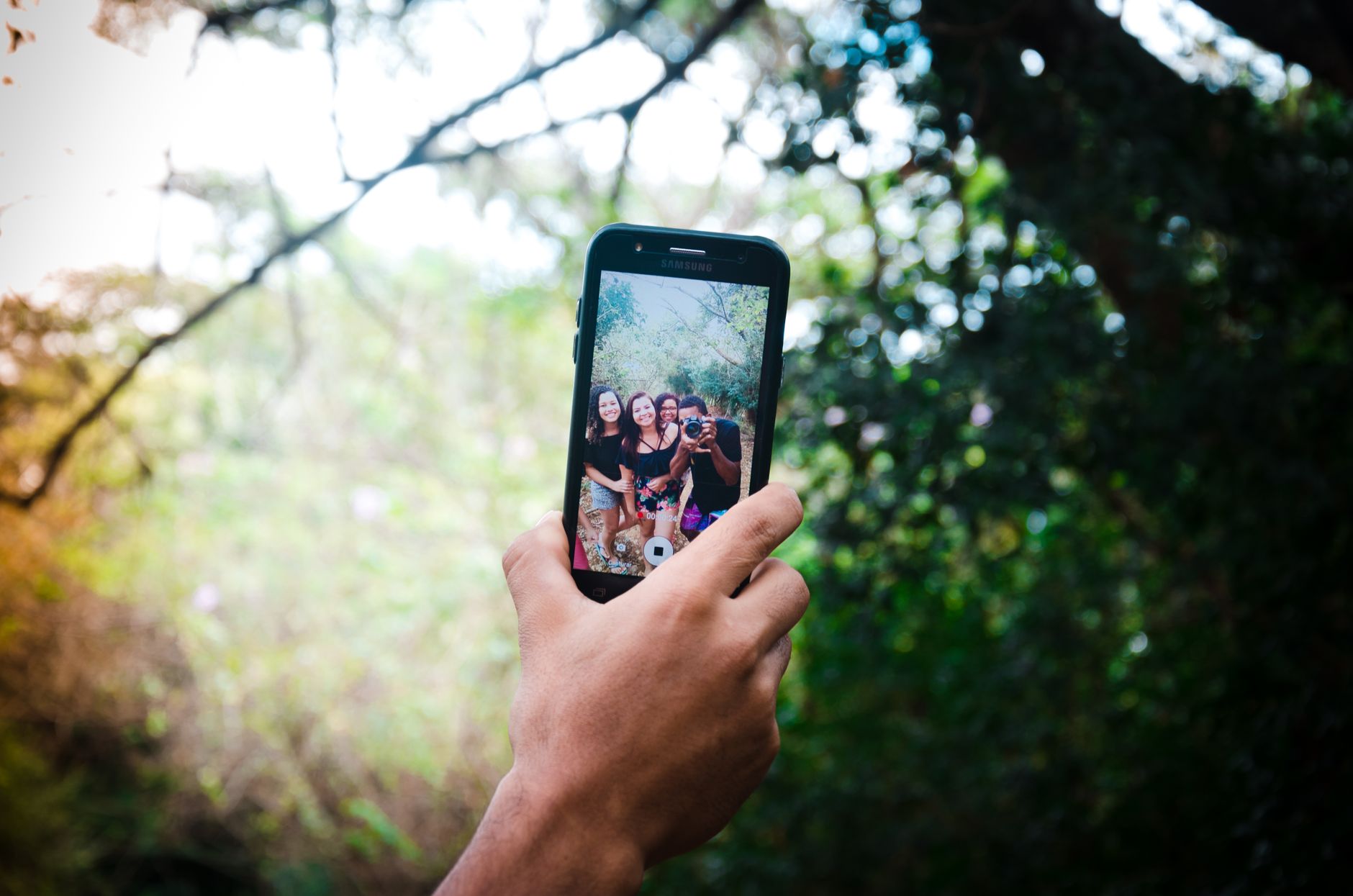
What makes the trend sticky is that it requires almost nothing. You don't need a new outfit, a trip, or an expensive shoot. You just need a memory and a phone, which is precisely why it scaled so quickly across India's enormous, mobile-first social audience.
Why It Hit India So Hard
India is one of the youngest countries on the planet, with a vast Gen Z population that came of age exactly as smartphones and cheap mobile data went mainstream. For a huge slice of these users, 2016 wasn't just a year — it was the year the internet truly arrived in their pocket. Affordable data turned data from a luxury into a default, and suddenly everyone was filming, filtering, and sharing.
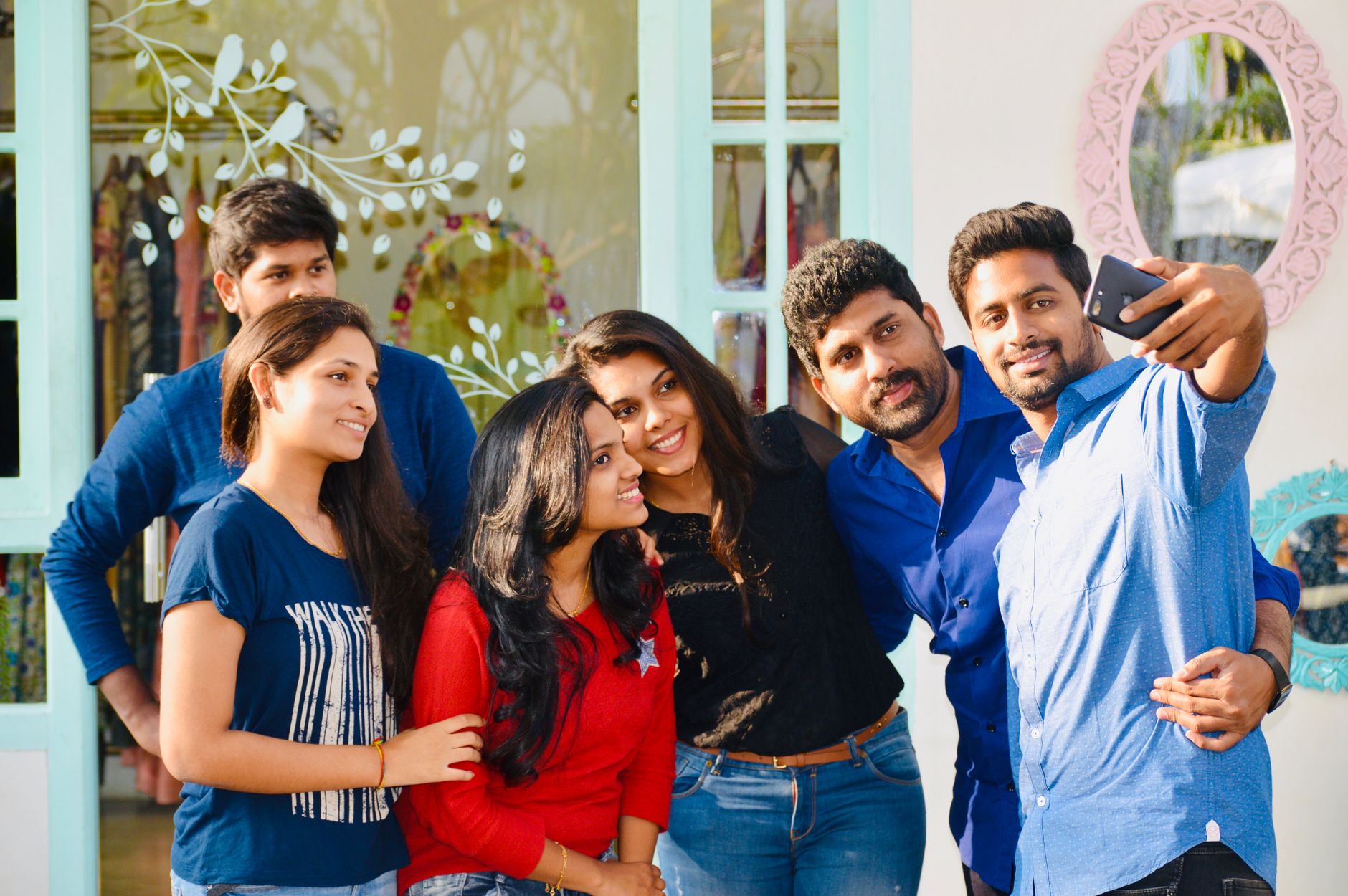
That shared memory gives the 2026 is the new 2016 trend unusual emotional weight here. When an Indian twenty-something posts a grainy 2016-style selfie today, they are not just being nostalgic about fashion. They are reaching back to the first time the online world felt new, exciting, and fundamentally theirs.
The trend has also taken on a distinctly local flavour. Instead of copying Western throwbacks point for point, many Indian creators are blending old aesthetics with their own cultural moment — pairing retro filters with regional music, hometown backdrops, and a homegrown sense of humour. ShareChat-style regional content and Reels in dozens of languages mean the wave isn't confined to metros; it's rippling through small towns and tier-two cities just as fast.
'Pre-Algorithm Grief': The Feeling Underneath the Filter
The most interesting reading of the trend has nothing to do with skinny jeans or flower-crown filters. Cultural commentators have started describing the mood as a kind of pre-algorithm grief — mourning not the year 2016 itself, but the last moment the internet felt like it belonged to its users rather than to a feed engineered to hold their attention.
Think about what 2016 felt like online versus now. Back then, your feed was mostly your friends, in roughly the order they posted. You scrolled to the end and stopped. There was no infinite, machine-tuned river of strangers optimised to keep you watching. There was no AI-generated content blurring the line between real and synthetic. The internet was messier, slower, and somehow more personal.
That is the loss the trend keeps circling. The selfies and challenges are a costume; the real subject is a quieter ache about how it feels to be online in 2026 — surveilled, sorted, monetised, and increasingly unsure what's even human. For a generation that has only ever known the attention economy at full throttle, 2016 represents the last campfire before the algorithm took over the forest.
A Costume for Economic Anxiety
Nostalgia rarely arrives without a reason, and this wave is no exception. Two pressures sit underneath it: AI saturation and economic unease.
Indian Gen Z was raised on the gospel of hustle — study hard, upskill relentlessly, and a stable career will follow. Many then graduated into a labour market that looked nothing like the promise. Entry-level roles feel scarcer, gig work is everywhere, and the rise of generative AI has injected real fear about which jobs survive the decade. When the future feels uncertain, the past becomes a place to rest.
Seen this way, 2026 is the new 2016 functions almost like a soft protest. It is young India saying, gently and collectively, that the relentless optimisation of everything — feeds, careers, even leisure — has become exhausting. Reaching for 2016 is a way of asking for a version of life that felt less performance-graded. The trend is fun, yes, but the fun is doing emotional work.
What the Trend Gets Wrong — and Right
It would be dishonest to pretend 2016 was a golden age. Critics point out, fairly, that the nostalgia conveniently edits out the harder parts of that year and era — political shocks, the spread of misinformation, and the early cracks in the same social platforms now being romanticised. Memory is a flattering editor; it keeps the bottle flips and quietly deletes the bad news.
There's also a risk of mistaking aesthetics for substance. Recreating an old filter doesn't actually return the internet to a friendlier shape, and a throwback selfie won't fix gig-economy precarity or AI anxiety. Some of the trend is simply pleasant escapism dressed up as cultural commentary.
Yet the impulse behind it is genuinely revealing. When millions of young people independently decide that the recent past felt better than the present, that is data about how the present feels — and it's worth taking seriously rather than dismissing as cringe. The trend is a mirror, and the reflection is a generation asking for a little less algorithm and a little more humanity.
What Comes Next
Like all internet waves, the throwback selfies will eventually thin out. But the appetite driving them is unlikely to fade, because the conditions that created it — AI everywhere, attention-maximising feeds, economic uncertainty — aren't going anywhere. Expect the nostalgia to keep mutating: into renewed interest in older apps and formats, into 'analog' habits like physical photo prints and smaller group chats, and into a broader hunger for online spaces that feel less engineered.
There are early signs of this already, from creators experimenting with deliberately low-fi, unpolished content to a wider cultural pull toward authenticity over perfection. Brands and platforms are watching closely, because a generation telling you it misses the pre-algorithm internet is also telling you exactly what it wants more of.
For now, the smartest way to read 2026 is the new 2016 is not as a fashion revival or a passing meme, but as a kind of group diary entry. Behind every recreated 2016 selfie is a small, sincere wish: to feel online the way it once felt — curious, connected, and a little less watched. That wish is the real trend, and it isn't going out of style any time soon.
Source: en.wikipedia.org