Photo: Miguel Angel Lozano Baron / Pexels
27 New Species Found in a Peru Region of 200,000 People
Set a team of scientists loose for five weeks in a corner of Peru where more than 200,000 people farm, build and commute, and you might expect a tally of pigeons and stray dogs. Instead they came back with 27 species new to science, including four mammals and a fish with a head so odd that nobody had ever recorded anything like it. The location is the punchline: this was not some untouched wilderness, but a working, lived-in landscape that researchers had mostly overlooked.
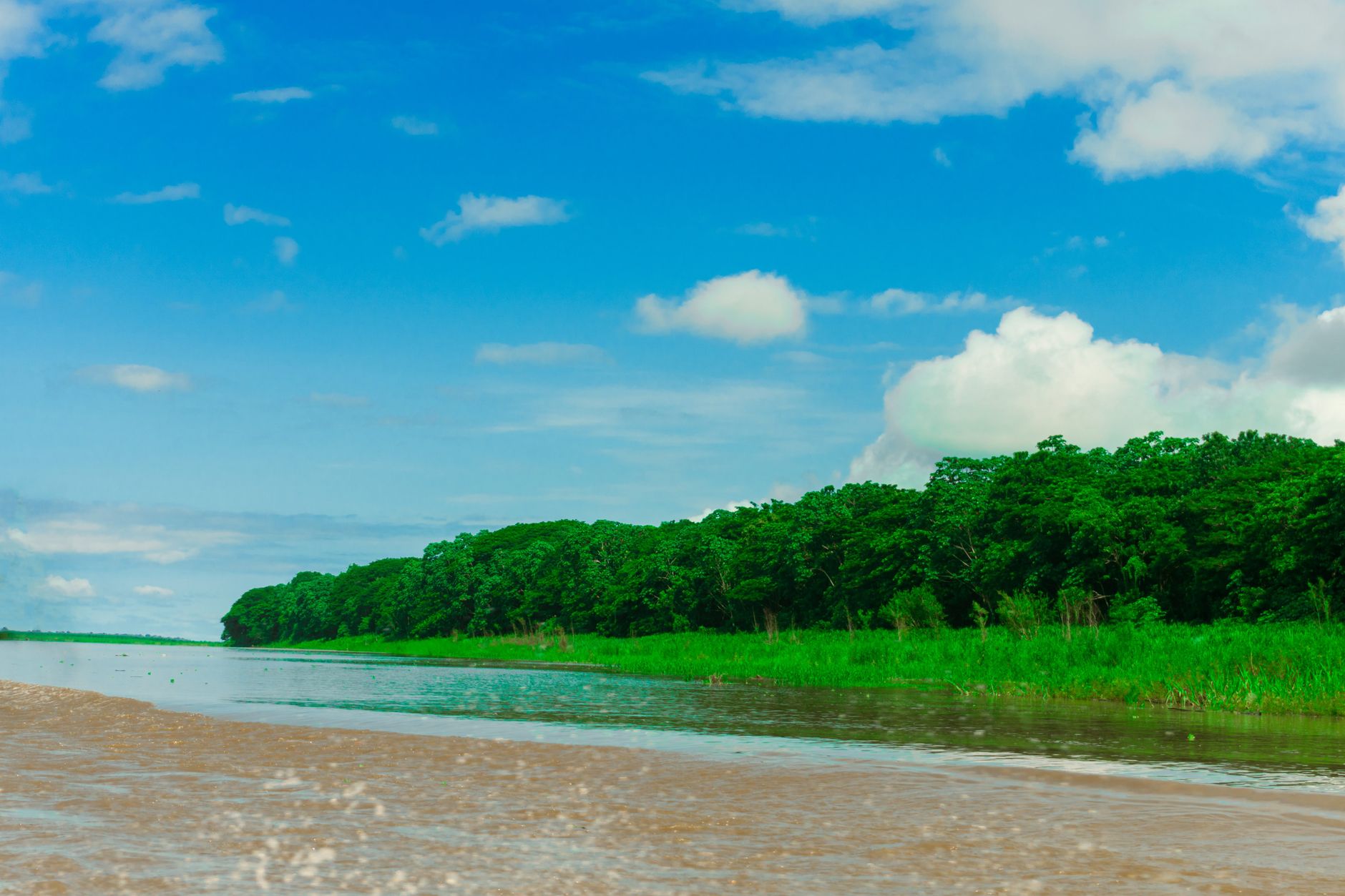
The survey took place in the Alto Mayo Landscape of northern Peru's San Martín region, a roughly 1.93-million-acre stretch where the Andes tip down into the Amazon. Conservation International ran the 38-day expedition in the middle of 2022 and announced the haul in December 2024. The big surprise wasn't only how many new animals turned up. It was where they were hiding all along.

A blob-headed fish nobody could explain
Of 68 fish species the team documented, eight were new to science. One has become the unofficial mascot of the whole expedition: a blob-headed fish, a type of armored catfish with a swollen, bulbous growth where you'd expect a normal snout. It looks faintly cartoonish, like someone inflated the front of an ordinary catfish.
What makes it more than a novelty is that scientists genuinely don't know what the blob is for. One theory is that the enlarged head helps the fish sense prey along the riverbed, but for now its purpose is an open question. Expedition leader Trond Larsen described it as so distinct that it had simply never been written up before — a reminder that even fairly large, conspicuous animals can slip through the cracks.

The mouse that swims
The mammals are where the story turns from curious to remarkable. Finding a single new mammal on an expedition is rare. This team found four: a bat, a small squirrel, a spiny mouse and, most strikingly, an amphibious mouse.
This rodent belongs to a group of semi-aquatic, carnivorous mice that count among the least-studied mammals on Earth. They are notoriously hard to find, and this one turned up in a single patch of threatened swamp forest. Larsen put the scale of it plainly, calling four new mammals on one trip absolutely astonishing — and far more so given how many people share the same ground.
What "27 new species" actually covers
The figure breaks down across several branches of the animal kingdom, which is part of why the result is so eye-catching. The new-to-science list includes:
- 4 mammals — a bat, a squirrel, a spiny mouse and the amphibious mouse
- 8 fish, among them the blob-headed catfish
- 3 amphibians — a rain frog, a narrow-mouthed frog and a climbing salamander
- 10 butterflies
- 2 other insects, including beetles
That is 27 confirmed newcomers. The team also flagged dozens more candidates that need further study before they can be formally described, so the final count from this one survey may climb higher still.
Why a crowded landscape changes the story
The usual mental image of "undiscovered species" involves a remote, roadless jungle. Alto Mayo breaks that template. It is dotted with towns, farmland and roads, and includes 16 Awajún Indigenous communities among its residents. The scientific establishment had largely treated it as too disturbed to bother surveying carefully.
That assumption turned out to be wrong, and the implication is the genuinely jaw-dropping part. If a human-dominated patch of Peru can still be hiding new mammals, then countless other lived-in landscapes around the world may hold species we've simply never looked for. Biodiversity isn't confined to the places humans haven't reached. Some of it has been quietly sharing the neighbourhood the whole time.
The survey recorded 2,046 species in total across eight different zones, an enormous figure for any single expedition, let alone one in a settled region. Crucially, the work wasn't done over the heads of local people. Conservation International partnered with the group Global Earth and with Awajún communities, whose knowledge of the terrain shaped where and how the team searched.
The catch: many of these animals are already at risk
The discovery comes with an urgent footnote. At least 49 of the species recorded are considered threatened on the IUCN Red List, including two critically endangered primates. Several of the newly found creatures appear to live nowhere else — researchers estimate that more than 30 species may be unique to Alto Mayo or the wider San Martín region.
That narrow range is a double-edged sword. It makes the area extraordinarily special, and it makes those animals extraordinarily vulnerable. The amphibious mouse's single swamp-forest home is exactly the kind of habitat that disappears quietly when land is cleared. A species can be discovered and endangered in almost the same breath.
What happens next
Describing a species formally is slow work, involving careful comparison, genetics and peer review, so expect more names to emerge from this expedition over the coming years. The candidates still under study could push the new-species count well beyond 27.
The deeper takeaway is a shift in where scientists go looking. Rapid surveys like this one are designed to produce a fast, usable snapshot of what lives in a place, precisely so that conservation decisions can be made before the habitat is gone. Alto Mayo makes the case that the next big discovery might not be deep in some untouched frontier. It might be hiding in plain sight, a short drive from a town of thousands, waiting for someone to finally check.