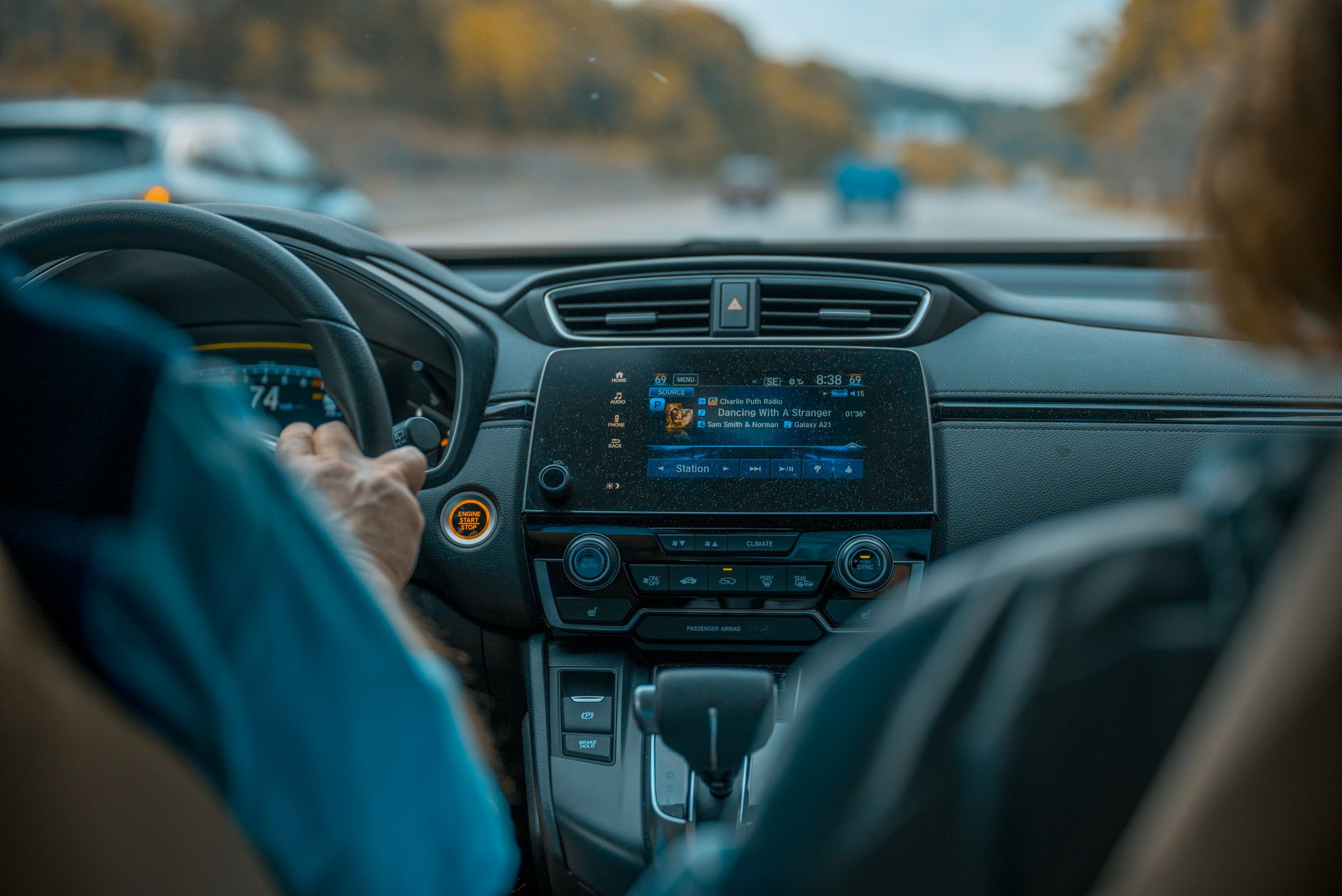
Photo: Chris F / Pexels
ADAS in Indian Cars: When to Trust It, When to Switch It Off
Walk into almost any showroom in India today and the salesperson will lead with three letters: ADAS. The Mahindra XUV700, Tata Harrier and Safari, Honda City, Hyundai Creta and Verna, Kia Seltos, MG Astor and a growing list of others now offer Advanced Driver Assistance Systems, sometimes on cars under ₹20 lakh. The pitch sounds like the future has arrived. The truth is more interesting, and more useful to know before you lean on it.
ADAS is real technology that can prevent crashes and cut driver fatigue. It was also designed and validated largely on roads that look nothing like ours — wide, lane-disciplined highways with clear markings and predictable traffic. Drop that same software onto an Indian arterial road at 6 pm, and it behaves very differently. This is a guide to what these systems actually do, where they help, and the moments when the smartest move is to switch them off.

What ADAS actually is (and what it is not)
Most cars sold in India run Level 2 assistance, which is the second rung on a six-level scale that ends at full self-driving. Level 2 means the car can control steering and speed at the same time, but you remain the driver. Hands on the wheel, eyes on the road, fully responsible. There is no legal or technical room to treat it as autopilot, and every system will scold you with beeps and then disengage if it decides you have checked out.
The hardware behind it is usually a front camera behind the rear-view mirror plus a radar in the grille. The camera reads lane lines, signs and the shape of vehicles; the radar measures distance and closing speed to whatever is ahead. Software fuses the two. Some premium cars add corner radars for blind-spot and cross-traffic alerts.
The common Level 2 features you will see on the brochure are:
- Adaptive Cruise Control (ACC) — holds a set speed and automatically slows to keep a gap from the car ahead.
- Autonomous Emergency Braking (AEB) — slams the brakes if a collision looks imminent and you haven't reacted.
- Lane Keep Assist (LKA) and Lane Departure Warning — nudge the steering or beep if you drift out of your lane.
- Blind Spot Monitoring and Rear Cross-Traffic Alert — warn you about vehicles you can't see while changing lanes or reversing.
- Forward Collision Warning and Traffic Sign Recognition — alerts rather than interventions.
None of this is autonomy. It is a second pair of eyes that occasionally grabs the controls.
Where it genuinely earns its keep
The sweet spot for ADAS in India is the open highway. On a well-marked expressway like the Mumbai-Pune or Delhi-Mumbai stretches, adaptive cruise is a revelation on a long drive. You set 100, the car maintains your gap to the vehicle ahead through gentle throttle and braking, and your right leg stops aching after three hours. Fatigue is a leading cause of highway deaths, and cutting it is a real safety gain, not a gimmick.
Autonomous emergency braking is the feature most worth having even if you never touch the others. In a moment of distraction — you glanced at the navigation, traffic stopped suddenly — AEB can shave off enough speed to turn a serious crash into a fender-bender, or avoid it entirely. It works best at moderate speeds against clearly defined vehicles, which is exactly the rear-end scenario that fills our highways.
Blind-spot monitoring is the quiet hero in city driving. On multi-lane roads where two-wheelers materialise from nowhere, a light in the mirror before you change lanes is worth more than any number of marketing acronyms.
Where it fights you
Now the other side. The single most reported ADAS complaint among Indian owners is phantom braking — the car braking hard for a threat that isn't real. A truck parked on a curve, an overhead gantry, a divider on a bend, a vehicle in the next lane that the radar misreads as being in yours, or the classic Indian variable: a cow or a stray dog at the road edge. When the car decides on its own to brake at 90, the jolt is alarming and, with traffic behind you, potentially dangerous.
Lane-keep assist struggles wherever lane markings are faded, missing or simply ignored by everyone around you. On roads without clear lines the system may stay silent, which is harmless. The problem is the in-between case — a half-visible line that the camera latches onto and then steers you toward, fighting your hands as you try to avoid a pothole or a slow scooter. Many experienced drivers turn LKA off the moment they leave the highway.
Adaptive cruise also gets confused by the way Indian traffic flows. Two-wheelers and autos filtering into the gap ahead trigger constant braking, so on a busy road ACC behaves like a nervous learner — surging and slowing, never settling. In dense city traffic it is usually less smooth than just driving yourself.
The override habit that keeps you safe
The core skill with ADAS isn't switching it on. It's staying ready to overrule it instantly. Treat every assist as a suggestion that you can veto.
- Keep light pressure ready on the accelerator during adaptive cruise. If the car brakes for a phantom hazard, a press of the throttle overrides it immediately and smoothly.
- Keep both hands on the wheel at the ten-and-two or nine-and-three position. You can out-muscle lane-keep assist any time; you just need to be holding on.
- Brake as normal if anything feels wrong. Your brake pedal always has the final say over every ADAS function.
- Learn the toggles before you need them. Find the buttons or menu screens that disable lane assist and adjust the cruise gap, and practise them in a parking lot, not at 100 kmph.
The drivers who get into trouble are the ones who relax because the brochure promised intelligence. The technology is real, but its judgement on Indian roads is patchy. Yours has to stay sharp.
Don't let ADAS distract from the basics
There is a quiet risk in how ADAS is marketed: it can overshadow the safety features that matter more. A glowing list of assist acronyms means little if the car has a poor crash structure. Before you are dazzled by adaptive cruise, check the fundamentals — six airbags, ABS with EBD, electronic stability control, ISOFIX child-seat mounts, and most of all a strong Bharat NCAP or Global NCAP crash rating.
Think of it as layers. The crash structure and airbags protect you when an impact happens. ABS and stability control help you stay in control during emergency braking and skids. ADAS sits on top, trying to prevent the impact in the first place. A car strong on the first two layers and weak on ADAS is far safer than the reverse.
It is also worth remembering that ADAS hardware needs care. The front camera and radar must be kept clean and correctly calibrated; a windscreen replacement, a minor bumper repair or even a thick coat of mud can throw the system off, and recalibration is a specialist job, not a roadside fix.
What's coming next
Expect ADAS to spread downward fast. As radar and camera modules get cheaper, features that were once reserved for ₹30 lakh SUVs are reaching ₹12-15 lakh hatchbacks and sedans. Manufacturers are also beginning to tune their software specifically for Indian conditions — adjusting how aggressively the system reacts to cut-ins and edge-of-road obstacles, which should reduce phantom braking over the next few model cycles.
The sensible way to read all of this: ADAS is one of the most useful safety advances to reach mainstream Indian cars in years, and on highways it is genuinely worth having. Just buy it with clear eyes. It is a co-pilot that occasionally misjudges the road, not a chauffeur. The car that keeps you safest is one with a solid crash rating, a full set of airbags, and a driver who never forgets that the steering wheel is still theirs.


