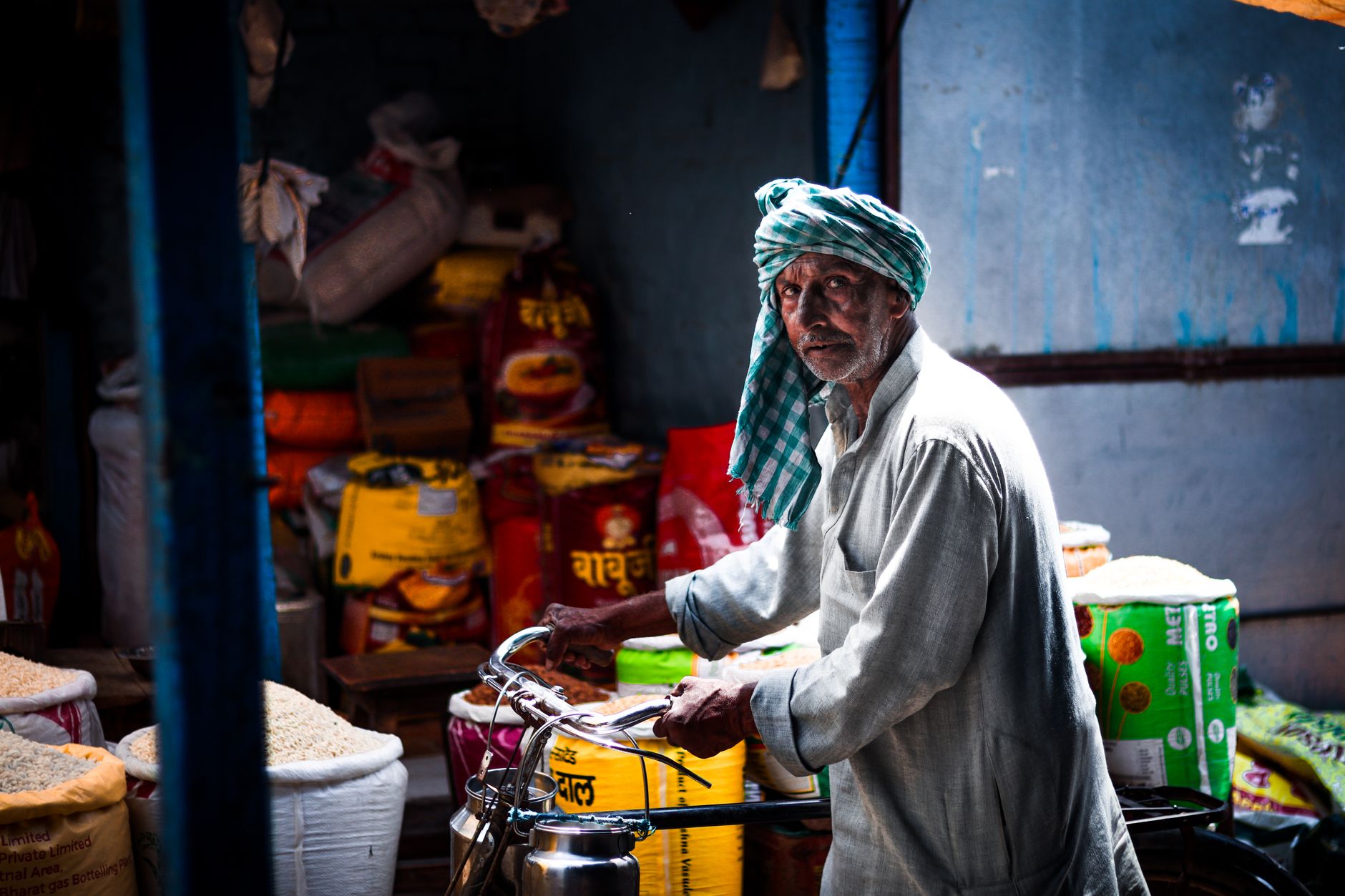
Photo: BANU FILM ADS / Pexels
Auspicious Muhurat Dates 2026: Weddings, Griha Pravesh, Cars
If you have been waiting for the stars to align before fixing a wedding date, blessing a new flat or driving home a new car, 2026 has handed you an unusually narrow runway. A rare leap month has just closed and a four-month religious pause is about to open — leaving barely five weeks of clear sky in between. Here is your practical map of the auspicious muhurat dates in the coming weeks, and why the calendar is squeezing everyone into the same handful of days.

Why the window is so tight this year
The Hindu lunar calendar periodically inserts an extra month — Adhik Maas, also called Purushottam or Mal Maas — to stay in step with the solar year. In 2026 that extra month was Adhika Jyeshtha, running roughly from May 17 to June 15. Adhik Maas is prized for prayer, charity and fasting, but it is considered off-limits for life's big launches: marriages, housewarmings and other shubh karyas are set aside.
That is why, for most of the first half of June, panchangs show almost no muhurats at all. The dates only begin reopening from June 17, once the leap month ends and the regular Jyeshtha and Ashadha months take over.
Then comes the second clamp. On July 25, 2026 (Devshayani Ekadashi), Chaturmas begins — the four-month period when Lord Vishnu is believed to sleep and auspicious ceremonies are traditionally suspended. It runs all the way to Devutthana Ekadashi on November 20. Between those two walls sits the only meaningful muhurat window of the season, which is exactly why bookings for halls, pandits and movers are vanishing fast.
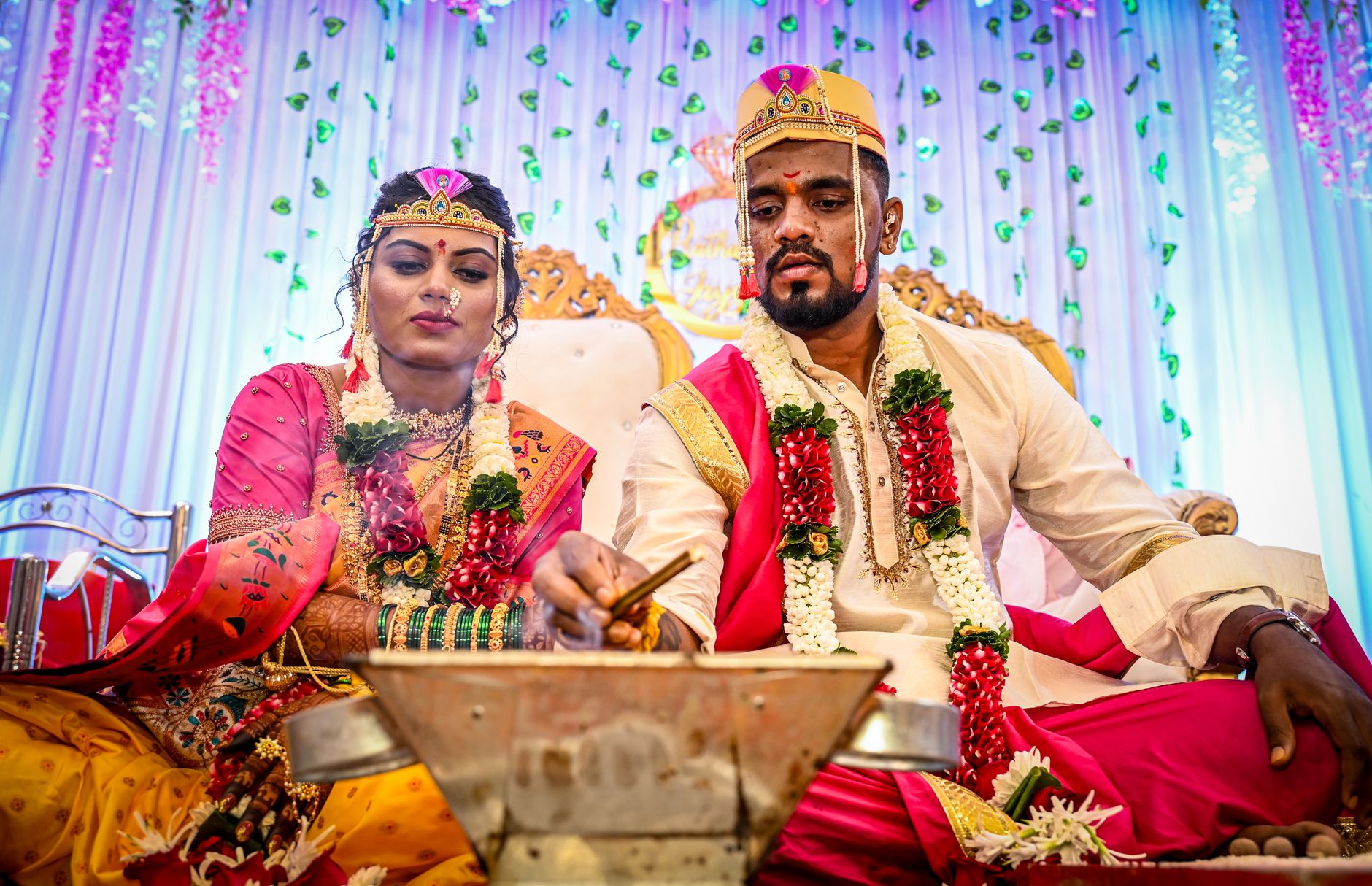
Wedding muhurats: the dates that matter
Weddings get the strictest scrutiny, and the clear dates are front-loaded into late June. Based on the New Delhi panchang, the vivah muhurat dates to watch are:
- June 21 (Sunday)
- June 22 (Monday)
- June 23 (Tuesday)
- June 24 (Wednesday)
- June 25 (Thursday)
- June 26 (Friday)
- June 27 (Saturday)
- June 29 (Monday)
After that, July offers only a thin tail — roughly July 1, 6, 7 and 11 — before Devshayani Ekadashi shuts the door. In short, if a wedding is not solemnised by around the second week of July, the next realistic muhurats arrive only after Chaturmas ends in late November. That single fact explains the late-June rush you are likely seeing in your own family WhatsApp groups.
A word of caution: each of these dates carries a specific time band, often just a few hours, tied to the lagna and nakshatra. The window is not the whole day. Always pin the exact hour for your city with a pandit.
Griha pravesh: housewarming dates
Moving into a new home — griha pravesh — follows the same logic and the same squeeze. The most favoured nakshatras for entering a new house are Rohini, Mrigashira, Uttara Phalguni and Hasta, prized for bringing stability and prosperity.
For the coming weeks, the housewarming muhurats cluster like this:
- June 24 (Wednesday) — morning, under Chitra
- June 26 (Friday) — late evening, under Anuradha
- June 27 (Saturday) — daytime, under Anuradha
- July 1 (Wednesday) and July 2 (Thursday) — under Uttara Ashadha
- July 6 (Monday) — under Uttara Bhadrapada
Because Adhik Maas thinned out the first fortnight of June, these end-of-month and early-July slots are doing a lot of heavy lifting. If your possession or registry timeline is flexible, aligning it with one of these dates is far easier than scrambling after July 25, when griha pravesh too goes on a long pause.
Vehicle purchase: best days to buy a car or bike
Buying a vehicle is treated more gently than a wedding — there are more workable days, and the season stretches a little longer. Tradition favours movable nakshatras such as Punarvasu, Swati, Shravana, Dhanishtha and Shatabhisha, and generally steers buyers away from Tuesdays and Saturdays.
The vehicle purchase muhurats in the coming weeks include:
- June 17 (Wednesday) — Punarvasu/Pushya
- June 22 (Monday) — Hasta
- June 24 (Wednesday) — Chitra/Swati
- June 25 (Thursday) — Swati
July keeps going even into Chaturmas, since many families consider a vehicle purchase permissible: notable dates include July 2, 3, 5, 8, 12, 19, 24, 29 and 30, with Shravana and Dhanishtha nakshatras featuring prominently at month-end. If you have an EMI offer or a model waitlist to time, you have more breathing room here than with weddings or housewarmings.
Festivals to mark in the same window
This stretch is not only about muhurats — it is dense with festivals, several of which double as auspicious occasions in their own right:
- June 15 — Mithuna Sankranti, the Sun's transit marking the season's turn.
- June 25 — Nirjala Ekadashi, the strictest of the year's Ekadashi fasts, observed without even water, and the day many also mark Gayatri Jayanti.
- June 29 — Vat Purnima (Vat Savitri Vrat), when married women fast for their husbands' long life, coinciding with Jyeshtha Purnima and the Snana Yatra ceremonial bathing of Lord Jagannath.
- July 16 — the grand Jagannath Rath Yatra at Puri, one of the most-watched religious processions in the world.
- July 25 — Devshayani Ekadashi, the gateway into Chaturmas.
These festivals are worth noting even if you are not planning a ceremony, because pandits, priests and venues are heavily booked around them — which tightens availability for everyone else chasing the same late-June muhurats.
After July 25: the long pause and what comes next
Once Chaturmas sets in, the calendar goes quiet for big-ticket ceremonies. Guru Purnima follows in late July, and the monsoon months bring Hariyali Teej, Nag Panchami, Raksha Bandhan and Janmashtami — spiritually rich, but not muhurat days for weddings or griha pravesh.
The doors swing open again only with Devutthana Ekadashi on November 20, 2026, traditionally followed by Tulsi Vivah, which reopens the wedding season heading into the November–December rush. So the choice this season is stark: lock a date in the next few weeks, or wait nearly five months for the next clean run.
How to actually use these dates
Treat this list as a shortlist, not the final word. A few ground rules make it reliable:
- Localise the timing. All dates and time bands here follow the New Delhi panchang. The exact muhurat shifts by city, sometimes by an hour or more.
- Match it to your kundli. A general muhurat is a strong starting point, but a family astrologer will fine-tune the slot against the couple's or household's birth charts.
- Confirm the hour, not just the day. Most muhurats are valid only within a specific window, and stepping outside it defeats the purpose.
- Book logistics early. With so few clear dates, venues, priests and packers are the real bottleneck — not the stars.
Understood this way, the coming weeks are less a calendar of restrictions than a short, well-marked runway. Pick your date, lock your hour, and you can launch the next big chapter before the four-month pause arrives.