Photo: Sagar Ambator / Pexels
Muhurat Dates 2026: Weddings Pause After July, Back in November
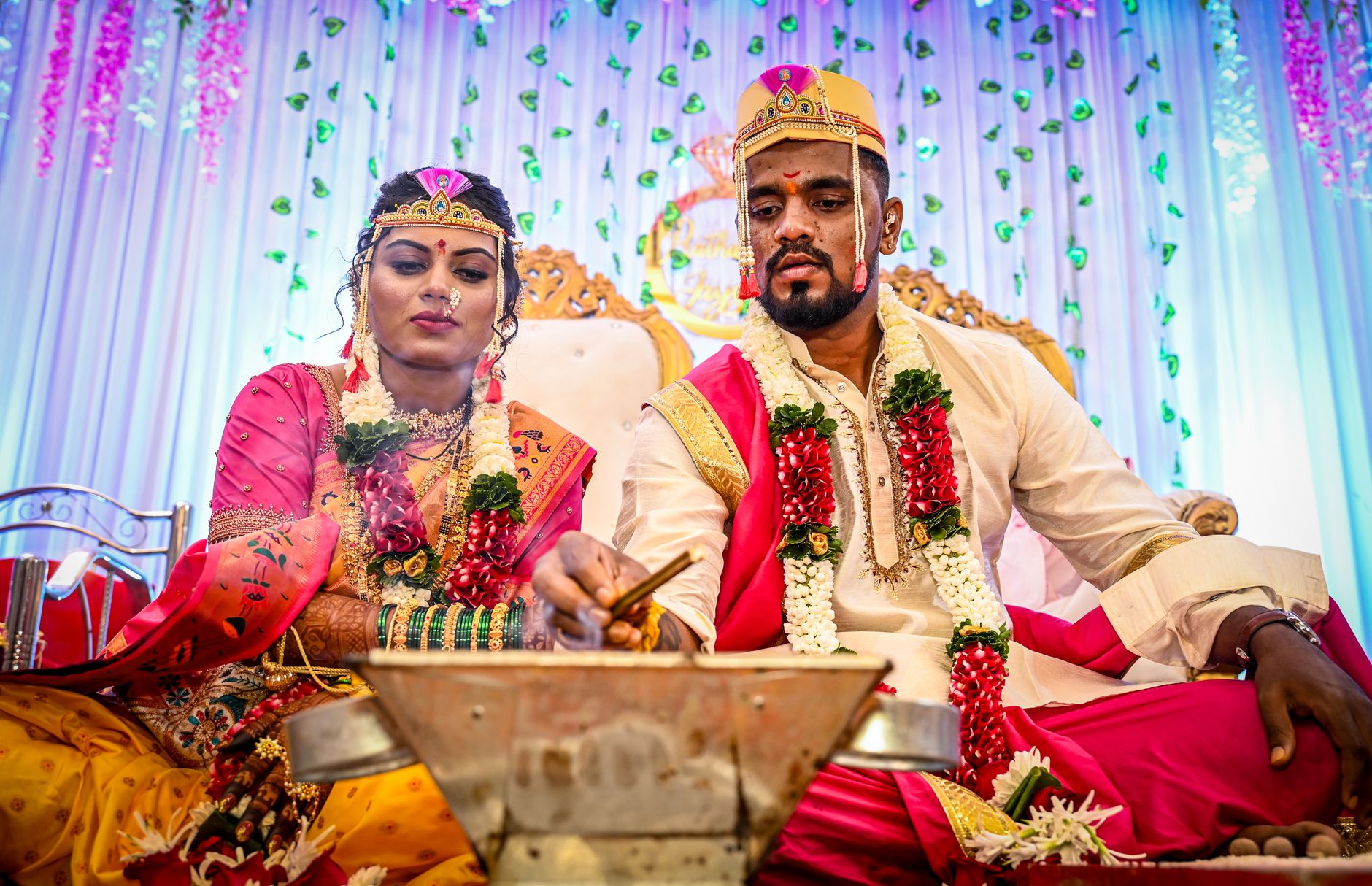
If you have been waiting for the right day to sign the marriage register, carry the idol into a new flat, or drive a new car out of the showroom, the next few weeks matter more than you might think. The 2026 muhurat calendar is about to slam shut for a long stretch, and a lot of families have not done the math. After a thin run of dates in July, the wedding and housewarming season effectively goes dark until late November.
The reason is Chaturmas, the four-month sacred pause that begins with Devshayani Ekadashi in late July and ends with Devuthani Ekadashi around November 20–21, 2026. During this period, traditional Hindu practice suspends marriages and griha pravesh entirely. So the choice in front of you is simple: lock a date in the next few weeks, or wait out the winter.

The wedding window is closing fast
The first half of 2026 was generous to couples. But from where we stand now, the runway is short. Before Chaturmas, the season offers a final cluster of marriage muhurats, with the last panchang-approved wedding date landing around July 12, 2026. A handful of dates remain in July before that cutoff.
After July, there is nothing. No auspicious wedding dates in August, September or October. The shehnai goes silent until the season reopens after Devuthani Ekadashi. When it does, November and December come back strong:
- November 2026: 21, 24, 25 and 26
- December 2026: 2, 3, 4, 5, 6, 11 and 12
That tight November-December cluster is exactly why banquet halls, caterers and decorators get booked out months in advance. If you are eyeing a winter wedding, the venues for those seven December dates are already in demand. Treat the calendar as a booking deadline, not a suggestion.
The most favourable nakshatras pandits look for when fixing a wedding are Rohini, Magha, Uttaraphalguni, Hasta and Swati. These carry the steady, auspicious quality traditionally desired for a marriage. But a date that shines on the public calendar can still clash with an individual horoscope, which is why no two families end up with the exact same shortlist.

Griha pravesh: a few doors open, then they shut
Moving into a new home follows the same rhythm as weddings, because griha pravesh is also paused during Chaturmas. The logic is that you do not begin a major new chapter while the cosmic order is at rest.
Before the blackout, June and July hold a few openings. June offers housewarming dates on the 24th, 26th and 27th, while early July has the 1st, 2nd and 6th. After that, August, September and October are blank for griha pravesh.
The season returns in November with dates on the 11th, 14th, 20th, 21st, 25th and 26th, and December is widely regarded as one of the most auspicious months of the year for entering a new home. Thursday is traditionally considered the best weekday for griha pravesh, with Monday, Wednesday and Friday close behind. The preferred nakshatras here are Rohini, Mrigashirsha, Uttaraphalguni and Hasta, all associated with stability and prosperity.
One practical note for new homeowners: a griha pravesh ceremony is meant for a home that is genuinely ready to live in, ideally with the kitchen functional. Rushing the ritual into a half-finished flat just to catch a date defeats the purpose.
Buying a car? The rules are different
Here is the part most people get wrong. Vehicle purchase is not governed by the Chaturmas blackout. A wedding and a housewarming are samskaras, life-cycle sacraments tied to the four-month rest period. Buying a car or bike is not. That means the August-to-October stretch, dead for weddings, still has perfectly good days to take delivery of a new vehicle.
For the near term, June 2026 carries vehicle muhurats on the 17th, 22nd, 24th and 25th. Beyond that, auspicious car-buying dates are scattered through every month of the year, which is why showrooms run delivery slots around festivals like Dhanteras and Akshaya Tritiya rather than worrying about Chaturmas at all.
The traditional preferences for vehicle purchase are worth knowing:
- Best weekdays: Friday, Wednesday and Monday are favoured for taking delivery.
- Best nakshatras: Movable stars like Punarvasu, Swati, Shravana, Dhanishtha and Shatabhisha are considered ideal, because a vehicle is itself a thing of movement.
- Avoid: Days clouded by inauspicious yogas or the buyer's own difficult planetary phases, which a pandit can flag from your chart.
The instinct behind a vehicle muhurat is partly psychological and partly practical. Choosing a calm, considered day to make a large purchase tends to mean you are not rushing the paperwork, the insurance or the test drive either.
Why the calendar behaves this way
None of this is arbitrary. A muhurat is a window where the tithi (lunar day), the nakshatra (the moon's position against the stars), the weekday and the planetary alignments are all judged to be supportive at once. When those factors line up, the day is marked auspicious. When key planets are combust or badly placed, even an otherwise good date gets struck off.
That is also why early 2026 had gaps that surprised some families. Periods when Venus, the planet most associated with marriage and comfort, is too close to the Sun to be visible are routinely avoided for weddings. The calendar is not just counting good days; it is screening out the compromised ones.
Chaturmas sits on top of all this as a seasonal rule rather than a daily calculation. It runs from Devshayani Ekadashi in late July to Devuthani Ekadashi around November 20–21, and within it the major life ceremonies simply do not happen, regardless of how the planets look on any given afternoon.
How to actually use these dates
A public muhurat list is a starting point, not a final answer. Two things separate a date on a website from a date that truly works for you.
First, your own horoscope. A pandit checks the proposed day against the birth charts of the people involved, the lagna (rising sign) of the chosen hour, and the choghadiya for your specific city. A date that is excellent in Delhi can shift by hours in Bengaluru, because sunrise and planetary timings are local.
Second, logistics. The narrow June-July and November-December windows mean the best venues, priests and vendors get claimed early. If you have a date in mind from the lists above, the smart move is to reserve the venue first and confirm the precise muhurat timing closer to the day.
What comes next
For the rest of 2026, the shape of the year is clear. The next few weeks carry the last wedding and griha pravesh dates before the long pause. Then the calendar empties out through the monsoon and autumn. The big reopening arrives with Devuthani Ekadashi around November 20–21, kicking off a dense winter season that runs hard through December.
Vehicle buyers, meanwhile, can largely ignore the drama and pick from steady dates all year. If a wedding or housewarming is anywhere on your horizon, though, the honest advice is to act on the near-term dates or settle in for a November date now, because by the time the season returns, the good slots will already be spoken for.