Babuaan: Why Pawan Singh's Bhojpuri Hit Owns YouTube
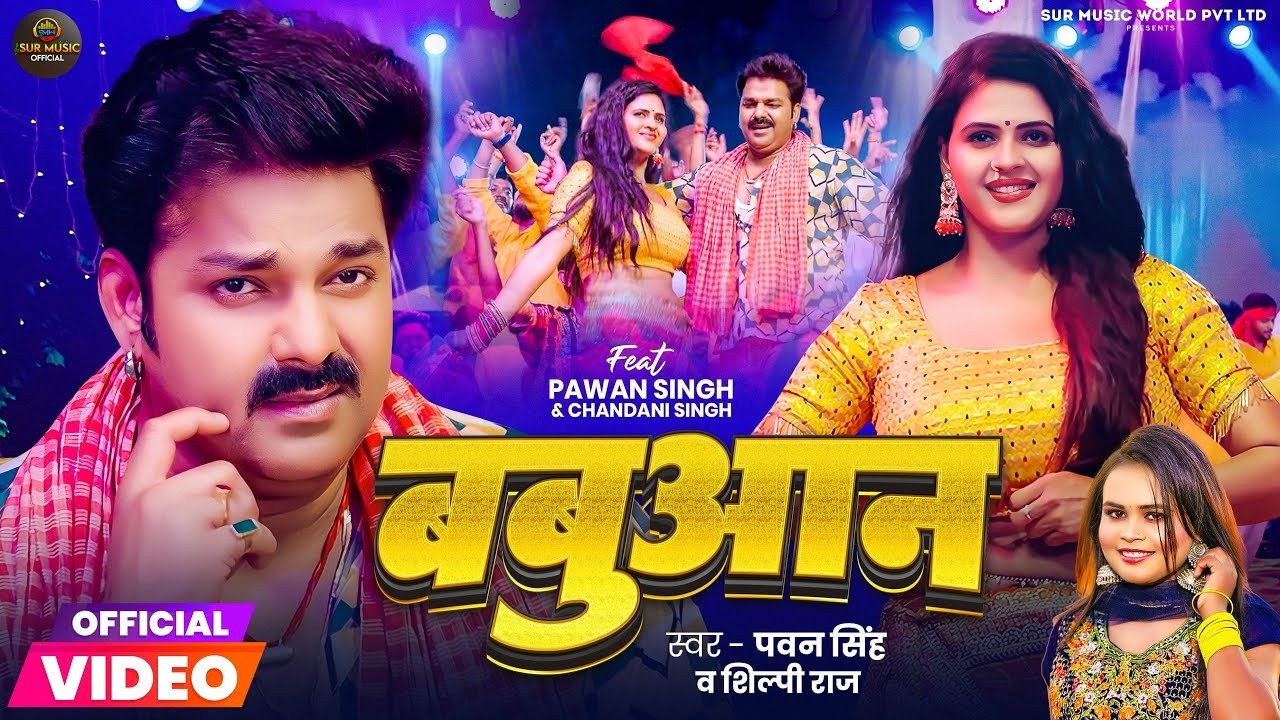
A new Bhojpuri single called Babuaan has muscled its way onto YouTube's trending feed in India, pairing the genre's biggest male star, Pawan Singh, with popular playback singer Shilpi Raj and on-screen actress Chandani Singh. Within hours of release the video began racking up views at the breakneck pace that has made Bhojpuri music one of the most quietly dominant forces on Indian YouTube — a corner of the platform that rarely makes mainstream headlines yet routinely out-performs songs from far bigger-budget Bollywood productions.
If you only follow Hindi film music or English pop, a Bhojpuri track surging up the charts can look like a glitch. It isn't. It is the predictable output of a content machine that has spent a decade learning exactly what its audience wants and how to deliver it cheaply, fast and at enormous scale. Babuaan is the latest data point, and it is worth understanding why it works.
What the song actually is
Strip away the spectacle and Babuaan is a classic Bhojpuri item-style number: a high-energy beat, a catchy hook built around the title word, and a video that foregrounds dance, colour and a larger-than-life male lead. The word babuaan loosely evokes the babu — a figure of landed gentry, money and old-world swagger. The song treats it as an aesthetic and an attitude rather than a literal story, a flex of dominance, status and rural masculinity.
That persona is not incidental. A recurring thread in commercial Bhojpuri pop is the celebration of a powerful, possessive, feudal-flavoured male identity, often set against a glamorous female lead. Pawan Singh has built much of his on-screen brand on exactly this image, and Babuaan slots neatly into it. The presence of Shilpi Raj on vocals and Chandani Singh in the video gives the release the star wattage Bhojpuri audiences expect from a marquee single.
Who Pawan Singh is, and why his name moves numbers
To readers outside the Hindi belt, the name may mean little. Inside it, Pawan Singh is a phenomenon. Known to fans as the Power Star, he is among the most recognisable actor-singers in the Bhojpuri industry, with a music channel that ranks among the most-subscribed in the language and a back catalogue of tracks that have collectively drawn billions of views over the years.
His reach now extends well beyond entertainment. In the 2024 Lok Sabha election he contested from the Karakat seat in Bihar as an independent, after a much-discussed episode in which he was first named and then withdrew from a party ticket. He did not win, but the campaign underlined a simple reality: in parts of Bihar and eastern Uttar Pradesh, a Bhojpuri star commands the kind of grassroots recognition that translates into crowds, clicks and political relevance alike.
That fame is the rocket fuel under a release like Babuaan. A new Pawan Singh single does not need to earn its audience from scratch; it arrives with a built-in fanbase primed to stream, share and replay on day one. YouTube's recommendation engine reads that early surge as a signal and pushes the video harder, creating the self-reinforcing spike that lands songs on the trending tab.
Why Bhojpuri quietly rules Indian YouTube
The deeper story here is structural. Bhojpuri is spoken by tens of millions across Bihar, Uttar Pradesh, Jharkhand and a sizeable global diaspora stretching from the Gulf to Mauritius, Fiji and the Caribbean. For a great many of those listeners, the smartphone is the first and primary screen, and music is consumed as video, not audio. That makes YouTube — not radio, not streaming-audio apps — the genre's true home turf.
A few forces compound the effect:
- Volume: Bhojpuri labels release an extraordinary number of tracks, treating songs almost like daily content rather than rare events.
- Low cost: Many videos are shot quickly on modest budgets, so even moderate view counts turn a profit.
- Festival and seasonal cycles: Releases are timed to weddings, Holi, Chhath and harvest seasons, when demand and sharing spike.
- Mobile-first habits: Cheap data and second-hand smartphones have pulled a vast new audience online over the past decade.
Put together, these factors mean a single hook-driven Bhojpuri song can quietly out-stream a heavily marketed Bollywood track — something that still surprises observers who equate cultural reach with English-language or Hindi-film visibility.
The reaction: fandom, debate and discomfort
Public response to a release like Babuaan tends to split along familiar lines. Devoted fans flood the comments with celebration, request the song at every wedding DJ set in the region, and turn the hook into reels and short-video clips that further amplify reach. For them, this is their pop — unapologetically regional, danceable and theirs.
At the same time, commercial Bhojpuri music has long drawn criticism on two fronts. The first is formula: detractors argue the genre recycles the same beats, the same swagger and the same visual grammar release after release. The second, more serious, is the recurring objectification of women and the glorification of a possessive male gaze in many mainstream hits. It should be said plainly that these are broad critiques of the genre's commercial mainstream; how any single song lands is a matter of individual taste and interpretation, and not every track invites the same charge.
Shilpi Raj and Chandani Singh both bring their own followings, and the collaboration is part of how Bhojpuri builds and sustains stars — pairing established names to guarantee cross-pollinated audiences. The genre has also been periodically scrutinised by regulators and courts over allegedly vulgar or obscene content, a tension that sits uneasily alongside its massive popularity.
Why this matters beyond one song
It is tempting to wave away a viral Bhojpuri number as disposable. That misses the point. The genre is a case study in how India's media map has been redrawn from the bottom up. The same dynamics powering Babuaan — mobile-first consumption, regional-language hunger, low production costs and platform algorithms — are reshaping comedy, devotional content, news and short drama across the country's many languages.
For advertisers, talent agencies and streaming platforms, Bhojpuri's numbers are increasingly impossible to ignore. The audience is large, loyal and underserved by glossy mainstream media, which makes it commercially valuable precisely because it has been overlooked. Every trending single is, in effect, a reminder that the centre of gravity in Indian entertainment is no longer fixed in Mumbai studios.
What comes next
In the immediate term, expect the Babuaan view count to keep climbing as the song works its way through wedding-season playlists, short-video remixes and regional DJ circuits. Bhojpuri hits tend to have a long, slow-burning tail rather than a single sharp peak, accumulating views over weeks and months as the track embeds itself in everyday celebrations.
For Pawan Singh, the release reinforces a brand that now straddles music, cinema and public life. Whether he leans further into politics or doubles down on the studio, his ability to summon an audience on demand remains his core asset — and songs like this one are how he keeps that audience warm.
The bigger arc is the one to watch. As more of India comes online and regional-language content keeps outgrowing its old ceilings, the question is no longer whether Bhojpuri music belongs on the national charts. It already lives there. The real story is how long the rest of the industry takes to treat that as the norm rather than the surprise.
Note: View counts, chart positions and release details cited in general terms reflect the fast-moving nature of online trends and may have changed since publication.