BMPS 2026: Why the BGMI Semi-Finals Are Owning YouTube
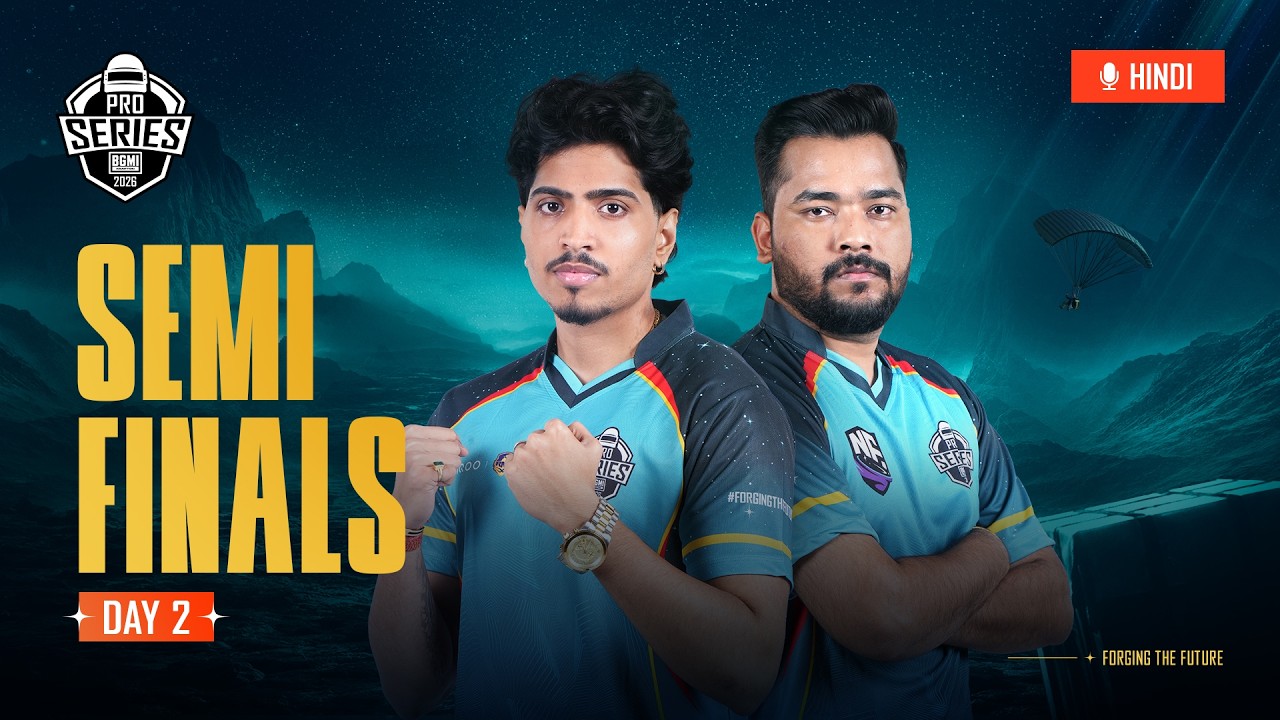
A live Hindi broadcast of a mobile game tournament climbing YouTube's trending list tells you something about where India's entertainment dollars and eyeballs are heading. The clip in question is Day 2 of the BMPS 2026 semi-finals — the knockout stage of Krafton's flagship tournament for Battlegrounds Mobile India (BGMI). It is not a movie trailer or a cricket highlight reel, yet it is pulling the kind of concurrent audience that traditional broadcasters would envy.
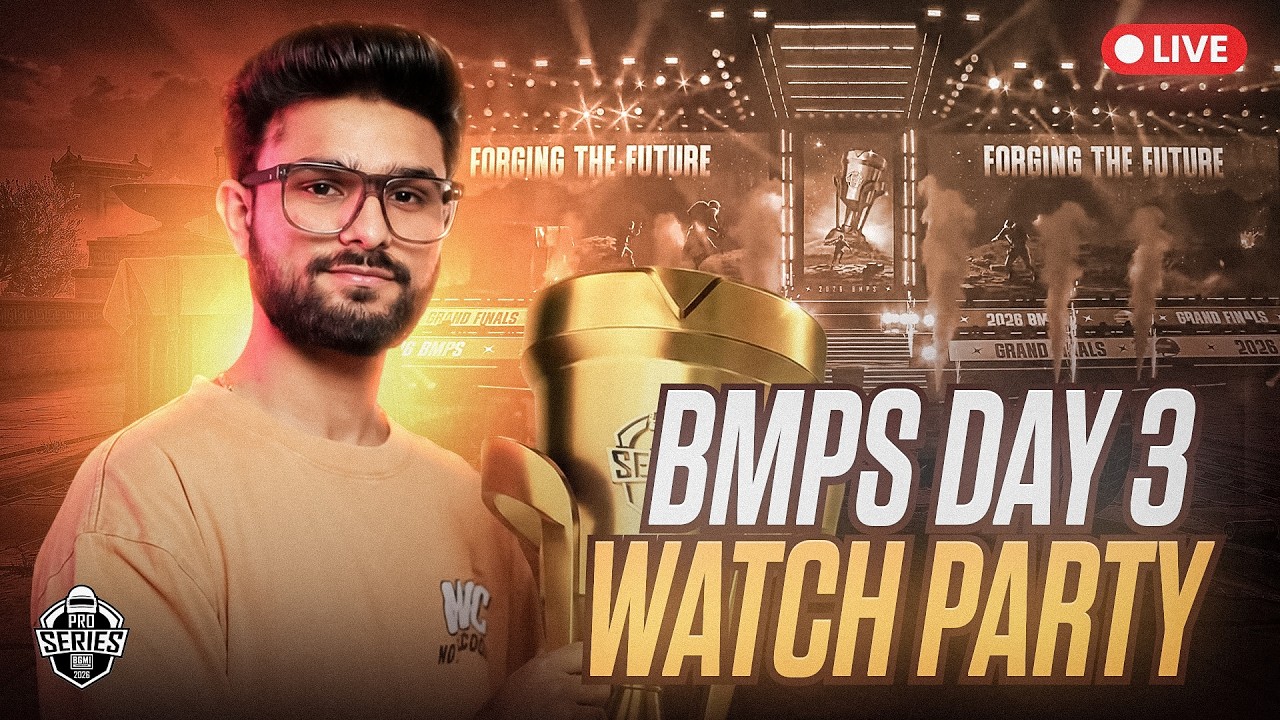
For anyone outside the scene, the appeal can look baffling: dozens of players crouched behind rocks, a frantic Hindi commentary track, and a scoreboard that keeps reshuffling. But the numbers don't lie. BMPS — the Battlegrounds Mobile Pro Series — has quietly become one of the most-watched live events in the Indian gaming calendar, and the semi-finals are where the drama tightens.
What BMPS 2026 actually is
BMPS is the official, Krafton-run professional circuit for BGMI. Think of it as the league that sits at the top of the competitive pyramid, the stage every aspiring pro player and content-creator-turned-competitor wants to reach. Teams grind through open qualifiers and lower tiers for the right to play here.
The format is built around the battle royale structure of the game itself. Squads of four drop onto a shrinking map, and matches are scored on two things: how many opponents you eliminate, and how long you survive. A win — a chicken dinner, in the game's own language — is worth a heavy placement bonus, but a team that plays cautiously and racks up consistent top finishes can out-point the flashy fraggers.
The semi-finals matter because they are the filter. A large field of qualified teams is cut down across several match days, and only the highest cumulative scorers move on to the Grand Finals. There is no single elimination match to hide behind; one bad day on the leaderboard can end a campaign that took months to build.
Why the Hindi stream is the real story
The title of the trending video carries one telling tag: [HINDI]. That single word is the engine behind a lot of this growth. Krafton and its broadcast partners run BGMI esports in multiple languages, and the Hindi feed consistently outperforms the English one.
The reason is simple demographics. BGMI's core audience skews young, mobile-first, and spread across India's smaller cities and towns, where Hindi and regional languages are the default. A casting team that calls a clutch 1-vs-4 fight in colloquial Hindi, with the slang and energy of the community, connects in a way a formal English broadcast never could.
This mirrors what happened in Indian streaming and short-video apps more broadly. Vernacular content is not a side dish; it is the main course. The BMPS Hindi stream trending on YouTube is, in that sense, less about gaming and more about the same language-first wave that reshaped Indian YouTube over the last decade.
The teams and faces driving the hype
Part of what makes a semi-final stream sticky is that viewers are not watching anonymous players. India's BGMI scene has built genuine stars, and the biggest organisations carry fanbases that travel with them from tournament to tournament.
Organisations like GodLike Esports, Team Soul, Team XSpark, Gods Reign and others have become recognisable brands, many of them founded or fronted by popular content creators with millions of subscribers. When a marquee roster is fighting to survive the semi-final cut, their existing audience tunes in not just for the competition but for the personalities.
A few things keep viewers glued through a long broadcast day:
- Clutch moments — a single player winning an outnumbered fight to steal a chicken dinner
- Leaderboard swings — a team climbing from mid-table to qualification position in the final matches
- Rivalries — established orgs and fan camps that carry over from past seasons
- Creator crossovers — pro players who are also streamers, blurring the line between sport and entertainment
Why mobile esports works in India when PC esports struggles
Globally, the prestige titles of competitive gaming run on expensive PCs. In India, that hardware barrier is exactly the problem. A gaming rig capable of running those titles costs more than many households spend on a year of entertainment.
A smartphone, on the other hand, is already in almost everyone's pocket. BGMI runs on mid-range Android phones that tens of millions of Indians already own. That single fact flips the economics. The audience and the talent pool are not gated behind costly hardware, which is why mobile battle royale, not PC esports, became India's breakout competitive category.
Cheap mobile data did the rest. The same conditions that made India a video-streaming giant — affordable bandwidth and a young, online population — turned a phone game into a spectator sport with stadium-sized live audiences.
The BGMI ban that nearly ended all this
None of this was guaranteed. BGMI's journey has a real scar in it. The game was pulled from Indian app stores in 2022 amid data-and-security concerns tied to its origins, and for months the competitive scene lived in limbo. Teams that had invested in rosters and infrastructure had no game to play.
Krafton worked through the issue and BGMI was reinstated in 2023, after which the publisher leaned hard into rebuilding trust and momentum. The fact that BMPS 2026 is now trending — with a thriving roster of sponsors, orgs and a packed broadcast calendar — is a measure of how completely the title recovered.
That history is also why Krafton runs the esports operation so tightly and visibly. A well-produced, official tournament is not just marketing; it is proof that the ecosystem is stable, legitimate and worth investing in for brands and players alike.
What comes next
The immediate stakes are clear: the semi-finals decide the Grand Finals line-up, and for the squads on the leaderboard bubble, the next few matches are season-defining. A strong finish here can mean a share of the prize pool, qualification to bigger Krafton-run international events, and the brand value that comes with being a finalist.
The bigger picture is about format and reach. Expect the publisher to keep widening regional-language broadcasts, because the Hindi-stream success points the way. Each new language feed is a new audience that previously had no easy on-ramp.
There are open questions too. Indian esports still wrestles with thin player salaries outside the top orgs, questions over long-term career stability, and a regulatory environment around online gaming that keeps shifting. A trending semi-final is a great headline, but the scene's maturity will be measured by whether the players grinding behind those rosters can build durable careers.
For now, the takeaway is straightforward. A Hindi-language livestream of a mobile game's semi-final is sitting on YouTube's trending shelf, watched by a crowd that traditional sports broadcasters spend fortunes chasing. BMPS 2026 is not a niche curiosity. It is a snapshot of how a generation of Indians has decided to spend its screen time, and the people building tournaments around it are only getting started.