BMPS 2026 Grand Finals: Why India's BGMI Scene Is Glued to the Stream
A mobile game has become appointment viewing
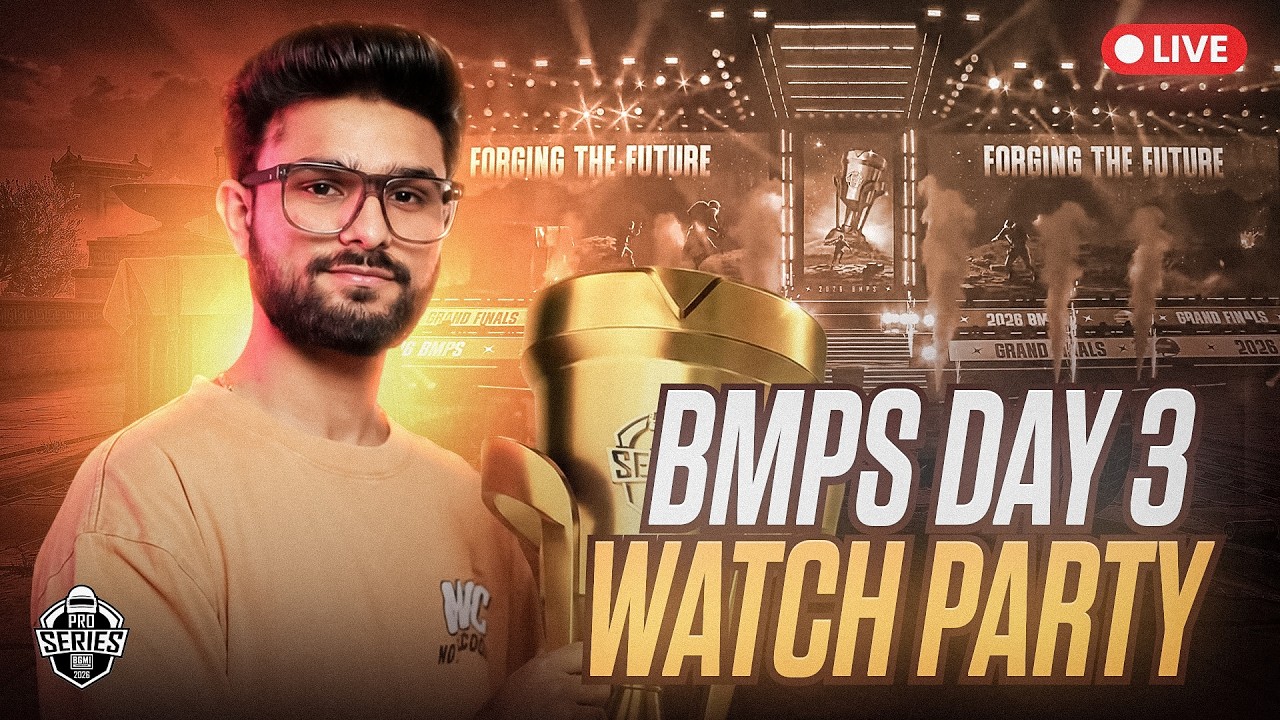
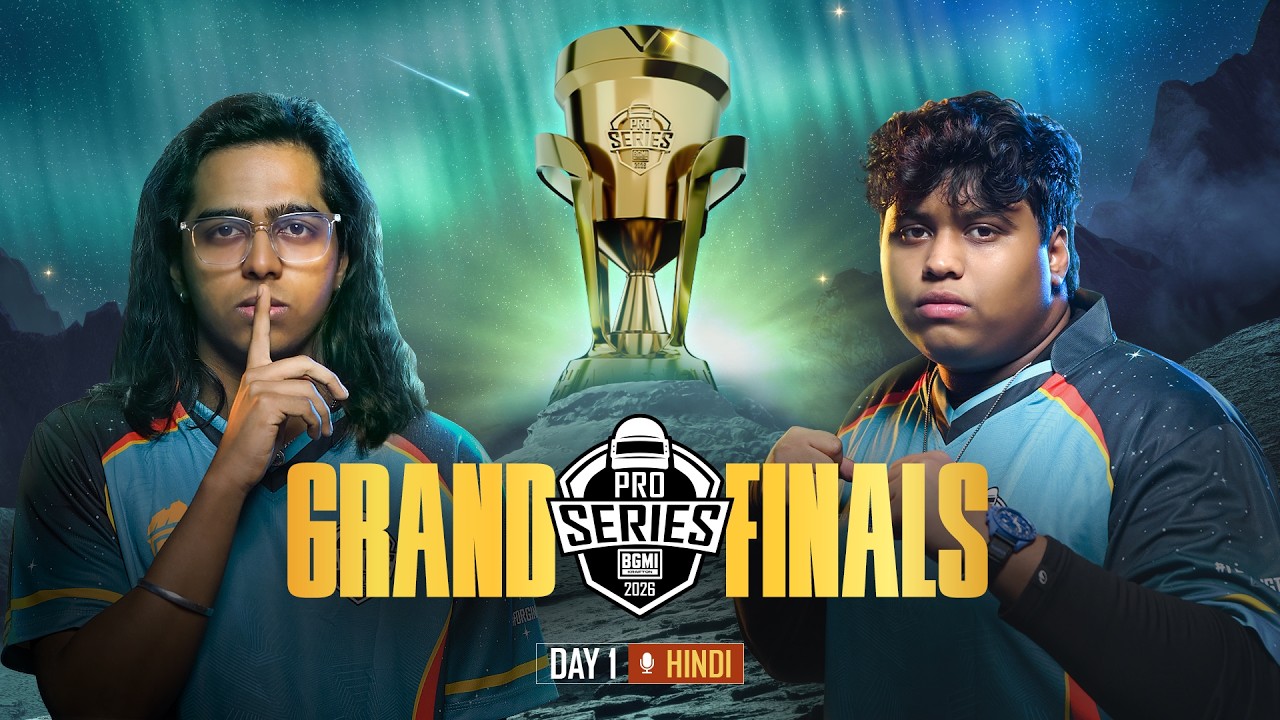
For a few hours this week, one of the most-watched live streams in India was not a cricket match or a film trailer. It was a group of young men sitting at gaming desks, phones clamped in both hands, fighting over a shrinking blue circle. The BMPS 2026 Grand Finals Day 1 broadcast pulled a large live audience on YouTube, and the Hindi #BGMILIVE stream in particular climbed the trending charts as fans tuned in to watch India's best squads go at it.
BMPS stands for Battlegrounds Mobile India Pro Series, the marquee competitive event for Battlegrounds Mobile India (BGMI), the game published by Krafton. The Grand Finals are the climax of months of qualifiers, group stages and league play. Reaching this stage means a team has already survived a brutal funnel of competition, which is exactly why the finals carry so much weight and draw so many eyes.
If you are over 30 and this looks baffling, that gap is the story. A whole generation now treats a battle royale final the way an earlier one treated a one-day international, and the numbers on the live counter are starting to make that comparison less of a joke.
What viewers are actually watching
A BGMI match is not one duel but a survival puzzle for sixteen squads at once. Each game drops teams onto a map, then a safe zone slowly closes, forcing everyone closer together until only one squad is left standing. The action swings between long stretches of careful positioning and sudden, frantic firefights that can wipe out a favourite in seconds.
The Grand Finals stretch the format across many matches and multiple days. That structure is the part casual viewers often miss:
- Teams collect points for kills (finishes) and for how high they place in each match.
- Those points are added up across every game of the finals.
- A squad can win one map outright and still trail overall if it crashes out early in the next few.
- The trophy usually comes down to the most consistent team, not the flashiest one.
So Day 1 rarely settles anything. It sets the pecking order, exposes which squads are choking under the lights, and gives the casters and the crowd a running leaderboard to obsess over before the closing day.
Why this stream blew up
Several things came together. The first is simply scale. BGMI is the most popular mobile esport in India by a wide margin, and the official pro series is the top of its pyramid, so the finals act as a magnet for the entire community at the same moment.
The second is the creator economy wrapped around the game. Many of the players and team owners are also YouTube and Instagram personalities with millions of followers. When a popular figure's squad makes the finals, their personal fanbase floods in on top of the core esports audience, and clips of clutch moments get re-shared within minutes.
The third is the Hindi broadcast. Running a dedicated Hindi feed alongside the main stream pulls in viewers from smaller towns and non-metro audiences who find English commentary alienating. That localisation has quietly been one of the biggest growth levers for Indian esports, and it shows up directly in concurrent-viewer spikes.
Finally, there is the format's built-in drama. A single grenade or one misread rotation can end a tournament run, and live audiences reward that tension the same way they reward a last-over finish in cricket.
The stakes behind the trophy
The Grand Finals are not just about a trophy and bragging rights. Strong placements typically unlock prize money distributed across the leaderboard, with the lion's share going to the top finishers. For professional players, many of whom are still in their late teens or early twenties, a deep run can mean a meaningful payday and a stronger contract.
There is usually a bigger prize than cash: a path to international competition. BGMI and its global cousin PUBG Mobile feed into worldwide events, and domestic results help decide which Indian teams represent the country abroad. A title at home can be the difference between a season spent grinding qualifiers and a season on a global stage.
That is why you see veterans treating each match with such caution. They are not only chasing today's points; they are protecting a long-term standing that affects sponsorships, roster stability and a shot at the world stage.
How BGMI got its second life
None of this was guaranteed. BGMI is the rebuilt, India-specific version of a game that was banned in 2020 amid a wider crackdown on Chinese-linked apps. Krafton relaunched it as a separate India product with local data handling and its own publishing setup, and even that version was pulled from app stores for a stretch before returning.
That turbulent history matters because it makes the current scale more striking. An ecosystem that was switched off entirely has come back to fill stadiums online and command prime-time attention. Teams that once existed as loose friend groups now operate like small sports franchises, with coaches, analysts, content schedules and brand deals.
The revival also reshaped who plays. With the game tuned for India and the barrier to entry being a smartphone rather than an expensive console or PC, the talent pool widened dramatically, pulling in players from places that traditional sports academies never reached.
The bigger picture for Indian esports
The BMPS finals land at a moment when esports in India is being taken more seriously by people who control money and policy. Recent years have seen government recognition of esports as a legitimate competitive category, separate from casual online gaming, and that distinction matters for how the sector is regulated and funded.
There is a real tension running underneath all of this. India has been tightening rules around real-money online gaming, and the public debate often blurs the line between gambling-style apps and skill-based competitive esports. The industry's long-term task is to keep that line clearly drawn, because a tournament like BMPS sits firmly on the sport side of it.
Brands have noticed the audience. Energy drinks, smartphone makers, payment apps and apparel labels increasingly want a slice of a viewership that is young, engaged and very hard to reach through television. Every sold-out concurrent-viewer record gives the next sponsor a reason to write a bigger cheque.
What happens next
With Day 1 in the books, the leaderboard becomes the main character. Squads sitting near the top will play more conservatively to protect their points, while those trailing will be forced to take fights early and gamble for finishes. That divergence in strategy is what makes the closing day so watchable.
A few things to keep an eye on as the finals play out:
- Whether the early leaders hold their nerve or get reeled in by a late surge.
- Which underdog squad strings together the kind of consistency that wins titles.
- The international slot and how the final standings shape India's representation at global events.
- The viewership peaks, which double as a scoreboard for Indian esports itself.
Whatever the final standings, the louder signal is the one on the live counter. A mobile battle royale held the country's attention for an evening, in Hindi, for free, and a very large young audience chose to spend their night watching it. For anyone still wondering whether esports is a real spectator sport in India, the BMPS 2026 Grand Finals just offered a fairly blunt answer.