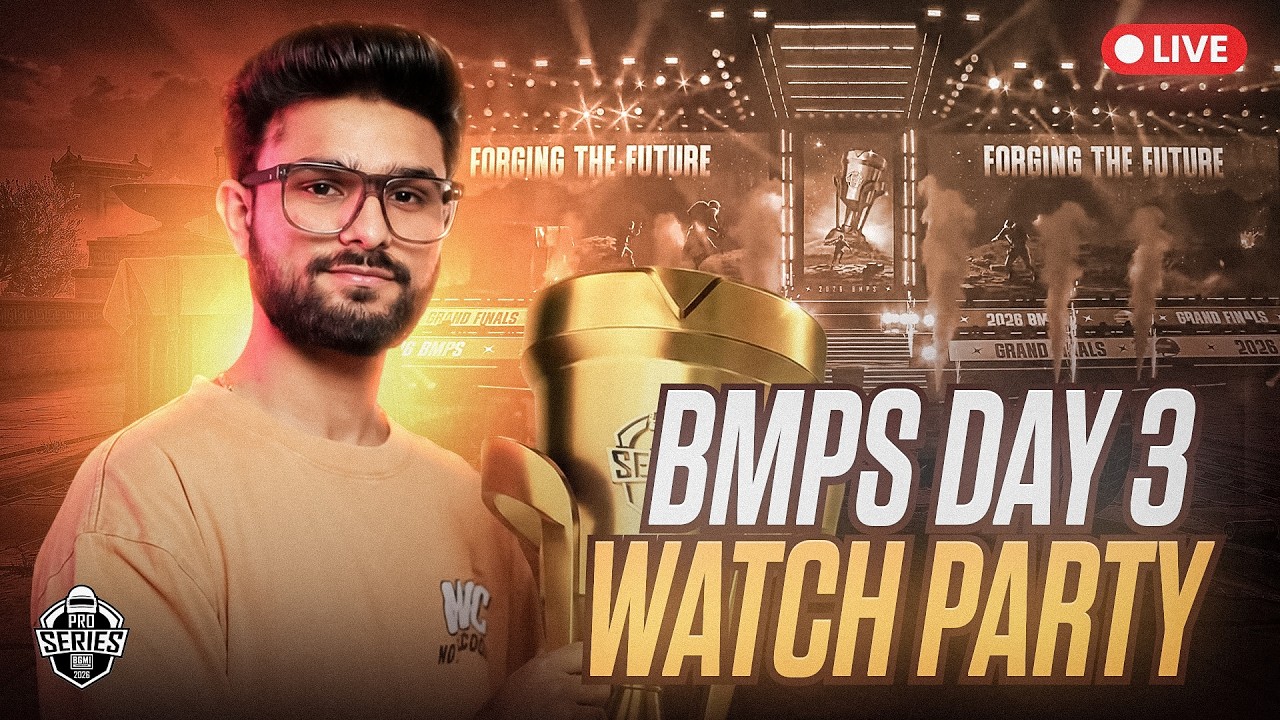
BMPS 2026 Survival Stage: Why BGMI Esports Is Booming
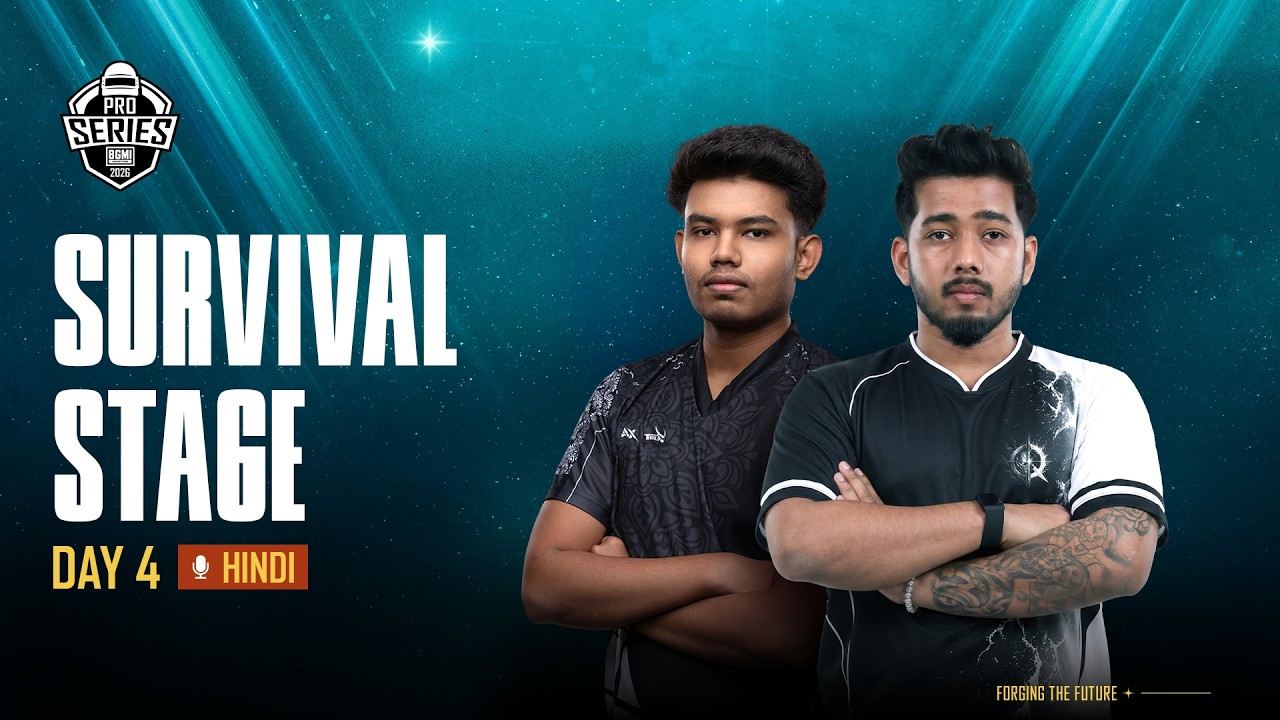
A four-day grind of squad wipes, clutch revives and last-circle gunfights has pushed BMPS 2026 back into India's YouTube trends, and the Survival Stage is exactly the kind of high-pressure round that turns casual viewers into committed fans. The livestream of Day 4 — broadcast in Hindi with live shoutcast — is one more sign that BGMI esports has quietly become one of the most-watched competitive formats in the country, with little of the mainstream coverage that cricket or football enjoy.
This report is not about narrating the matches kill-by-kill — the stream does that. It is about what BMPS actually is, why a mid-tier qualifying stage commands such attention, and what the surge says about the business and culture of mobile esports in India.
What BMPS 2026 actually is
BMPS stands for the Battlegrounds Mobile India Pro Series, the flagship competitive circuit for BGMI (Battlegrounds Mobile India), the battle-royale title published by Krafton. It sits at the top of a structured esports calendar that funnels amateur and semi-pro squads upward through open qualifiers into marquee LAN finals.
The format is built in layers. Hundreds of teams enter early online rounds; survivors are filtered into stages with progressively higher stakes; and only a small set reaches the grand finals where the largest share of the prize pool and the title are decided. The Survival Stage is one of those filtering rounds — a name that is almost literal, because for most teams it is about staying alive in the standings, not winning the whole thing.
Unlike a knockout bracket, battle-royale esports runs on a points system across many matches. That structure rewards consistency over a single hot game, and it is a big reason the format is so watchable across multiple days.
Why a 'qualifier' is trending so hard
It may seem odd that a survival round — not a final — is what blows up. But the math of elimination is the drama. When dozens of well-drilled squads are chasing only a handful of advancement slots, every placement point matters and a bad day can end a team's entire season.
Three things amplify the hype:
- Stakes density: Many strong teams, very few slots. A single rough match can knock a fan-favourite roster out, which keeps audiences glued to the cumulative leaderboard.
- Underdog runs: Survival stages are where lesser-known teams sometimes punch above their weight, creating storylines that the community rallies around.
- Roster drama: BGMI's off-season sees constant player transfers, so fans tune in to see whether new line-ups actually click under pressure.
There is also a simple accessibility factor. The broadcast is free, mobile-first and in Hindi, which removes nearly every barrier for a young, phone-native audience that may never buy a match ticket or a cable subscription.
How the scoring turns chaos into a league table
For newcomers, the scoring is the key to enjoying the spectacle. Points typically come from two sources: where your squad finishes in each match (placement points) and how many opponents you eliminate (kill points). Add them across a set of matches and you get a running table.
This dual system creates two viable strategies, and watching teams pick one is half the fun:
- Survival-first: Play passive, avoid early fights, and farm placement points by reaching the final circles intact.
- Aggressive fragging: Hunt kills early for points and map control, accepting the risk of an early exit.
A single chicken dinner — winning one match outright — combined with a strong kill count can vault a team several spots overnight. That volatility is why standings stay unpredictable until the very last games of a stage, and why commentators keep audiences hooked on the cumulative picture rather than any one round.
The bigger picture: India's mobile esports surge
BGMI's competitive scene exists because of a turbulent history. Its predecessor was pulled from Indian app stores over data and national-security concerns, BGMI itself was later delisted and then reinstated, and the title has navigated repeated regulatory scrutiny. That instability makes the current scale of organised play remarkable.
India's gaming boom is anchored in three structural advantages: cheap smartphones, some of the world's lowest mobile data prices, and a vast under-30 population. Together they made battle royale a mass pastime rather than a niche PC hobby, and esports rode that wave.
The ecosystem now includes professional organisations with salaried rosters, bootcamps where teams live and train together, dedicated coaches and analysts, and a creator economy of streamers who blur the line between player and entertainer. A tournament like BMPS is the visible tip of that machine.
The money question — and the catch
For every viral clip of a clutch ace, there is a sober reality about earnings. The Indian online-gaming sector has expanded fast, but the income inside competitive BGMI is heavily concentrated at the top.
Elite teams earn through a mix of prize pools, organisation salaries, sponsorships and personal streaming revenue. Below that tier, the picture is harsher: many aspiring pros grind qualifiers with little or no stable pay, juggling practice schedules against family pressure to pursue conventional careers. The dream is real, but so is the funnel that narrows sharply near the top.
Regulation adds another layer of uncertainty. India has tightened rules and taxation around the broader online-gaming industry, and while skill-based esports is generally treated differently from real-money gaming, the policy environment remains something organisers and investors watch closely.
What comes next
The immediate path is clear: teams that survive this stage move deeper into the BMPS bracket, chasing the slots that lead toward the grand finals and the bulk of the prize money. Expect roster narratives, rivalries and a handful of breakout players to dominate community chatter in the coming rounds.
The longer arc is more interesting. If BMPS-scale events keep pulling large free audiences, the pressure builds for bigger sponsorships, LAN finals in packed arenas, and perhaps mainstream broadcast deals that finally treat mobile esports with the seriousness given to traditional sport.
For now, the takeaway is simple. A multi-day Survival Stage trending on YouTube is not a fluke — it is evidence that a generation of Indian fans has decided that competitive BGMI is appointment viewing, and that the country's mobile esports story is still early in its game.