BMPS 2026 Survival Stage: Why BGMI's Live Esports Grind Is Going Viral
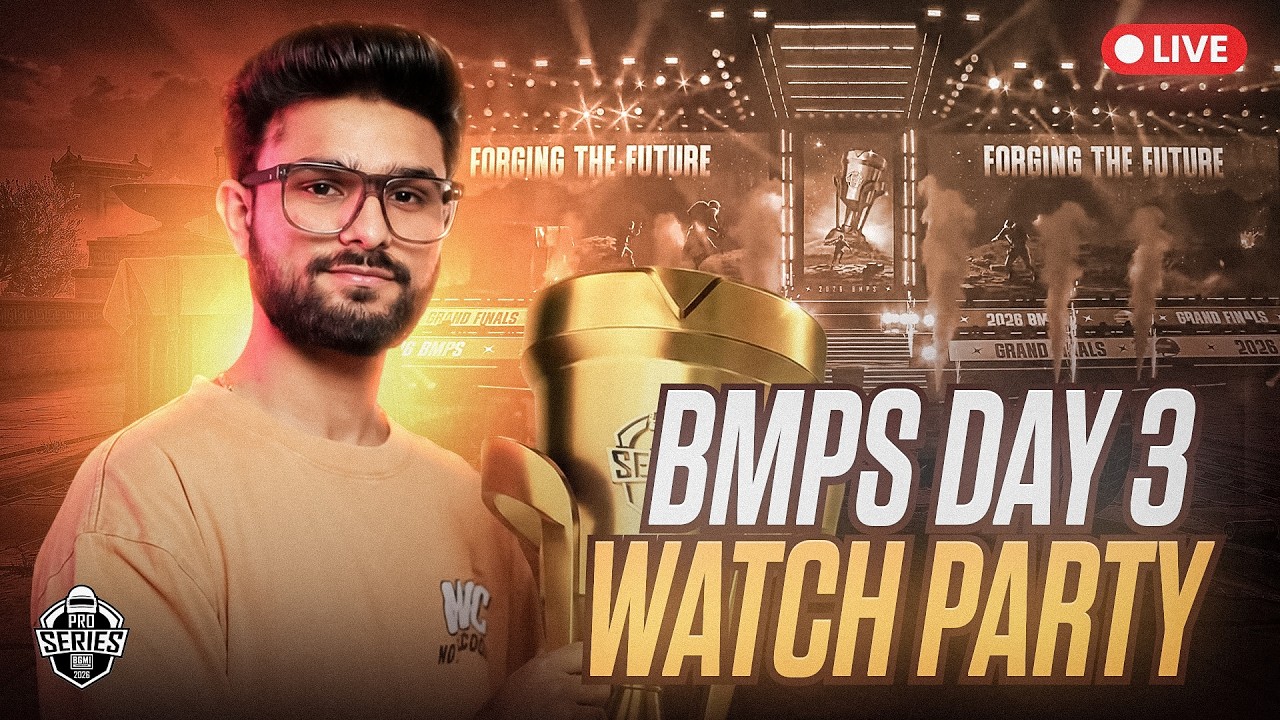
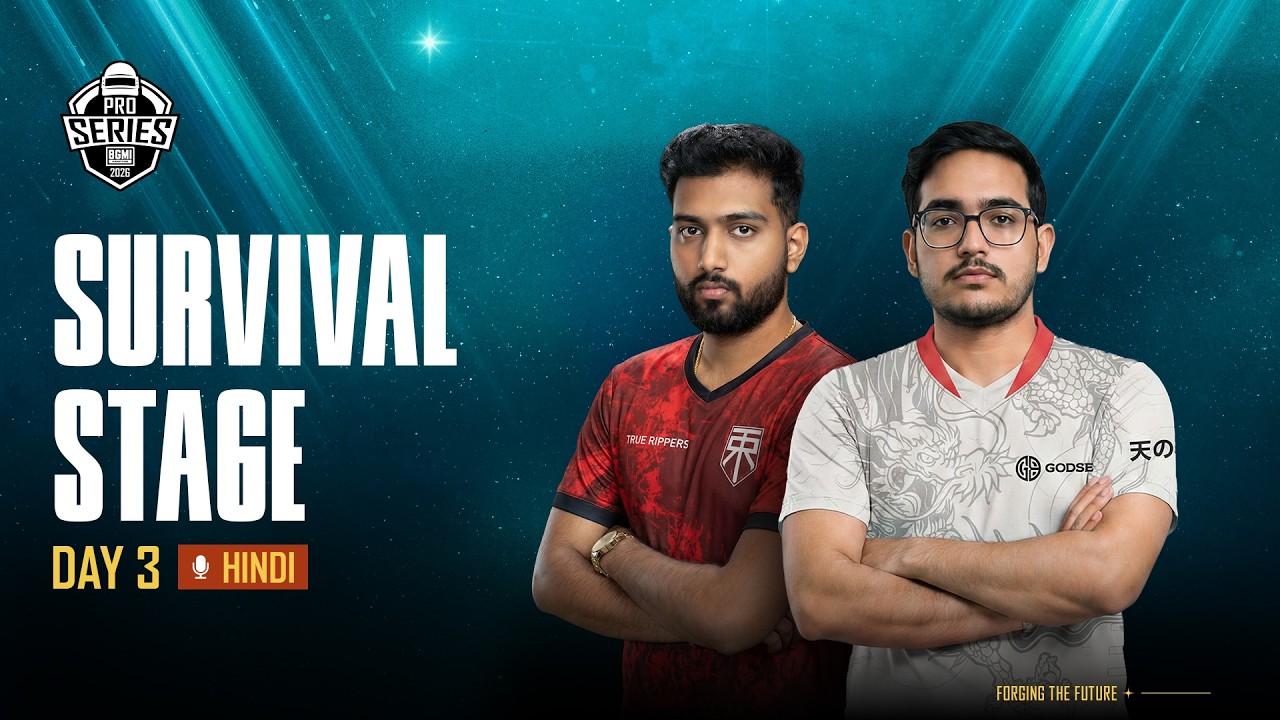
A Hindi-language livestream titled around the BMPS 2026 Survival Stage, Day 3 has climbed into India's trending feeds, pulling in a crowd that treats a mobile battle-royale qualifier with the same intensity others reserve for a cricket run-chase. To outsiders it looks like a long stream of phone gameplay. To the millions who follow BGMI esports, it is one of the tensest formats in Indian competitive gaming — the stage where careers quietly end and underdogs punch their ticket forward.
This report is not a frame-by-frame recap of the broadcast. It is about what the BMPS 2026 Survival Stage actually is, why a qualifying round is out-performing far flashier content, and what the surge says about where India's gaming audience is heading.
What BMPS 2026 actually is
BMPS stands for BGMI Masters Pro Series, part of the official competitive structure built around Battlegrounds Mobile India (BGMI) — the India-specific version of the global battle-royale title published by Krafton. Official tournaments like this sit at the top of a pyramid that begins with open scrims and amateur cups and ends with a handful of teams good enough to represent the country abroad.
The word doing the heavy lifting here is "Survival." Most marquee esports events are remembered for their grand finals. The Survival Stage is the opposite — it is the unglamorous filter that decides who even reaches the rounds people remember. A large field of squads is thrown together, and the format is deliberately unforgiving.
That framing matters because it reframes what viewers are watching. This is not a victory lap. It is a high-pressure audition, and the audience knows it.
Why a qualifier is blowing up
It sounds counter-intuitive that a qualifying stage would trend over a final, but the logic holds once you understand the emotional hook. Three things are driving the Day 3 spike:
- Elimination drama. Every match nudges teams up or down a cumulative standings table. With slots limited, a single weak day can erase weeks of practice, so each engagement carries real consequence.
- Fan-club loyalty. Indian BGMI orgs have devoted followings. Supporters tune in not for neutral entertainment but to nervously track whether their team clears the cut — appointment viewing in the purest sense.
- The free, live, daily format. The matches stream free on YouTube, run for hours across multiple days, and reward viewers who stay logged in. That stickiness is exactly what trending algorithms amplify.
There is also a casting effect. Hindi-language broadcasts have made the action accessible far beyond metro, English-first gaming circles, pulling in Tier-2 and Tier-3 audiences who follow the shoutcasters as much as the players.
How the Survival Stage format works
Battle-royale esports does not crown a winner the way football or chess does. Instead, results are scored across a series of matches using a points system that blends two ingredients:
- Placement points — awarded for surviving longer and finishing higher in each match.
- Finish (kill) points — awarded for eliminating opponents.
Teams play a fixed set of maps, and their scores are added up. Because the table is cumulative, consistency beats a single highlight-reel performance. A squad that lands one explosive game but flames out everywhere else usually falls short of one that quietly places well match after match.
That design is what produces the format's signature tension. A team sitting comfortably can collapse over a bad session, and a side on the bubble can survive by playing patient, low-risk gameplay — circling the safe zone, avoiding fights, and banking placement points rather than chasing glory. It rewards nerve and discipline over flash, which is precisely why analysts and fans pore over the standings between matches.
The bigger picture: BGMI's second life
To appreciate why any of this is a story, recall how close it came to not existing. BGMI's predecessor, the global PUBG Mobile, was banned in India in 2020 amid data and security concerns. Krafton later relaunched a localised version as BGMI, which itself faced a temporary delisting before being restored. Each disruption scattered teams, froze sponsorships and stalled careers.
Against that backdrop, a stable, officially run circuit like BMPS 2026 represents hard-won normalcy. A predictable calendar lets organisations sign players, attract sponsors and build the kind of season-long narrative that fans can emotionally invest in. The crowded livestream is, in effect, proof that the ecosystem has rebuilt itself.
India's broader numbers explain the ceiling. The country has one of the world's largest mobile-gaming user bases, powered by cheap data and affordable smartphones rather than expensive consoles or gaming PCs. That makes mobile esports, not traditional PC titles, the natural mass-market product here — and battle royale its flagship genre.
What's actually at stake
Beyond bragging rights, the Survival Stage is a gateway to tangible rewards. For the teams grinding through Day 3, advancing typically unlocks:
- A place in the higher, more prestigious rounds of the BMPS structure, with bigger audiences and bigger prize pools.
- A share of tournament prize money, which for organisations helps justify player salaries and bootcamp costs.
- Visibility for individual players, whose standout performances can earn roster offers, streaming followings and sponsorship deals.
- For the very best, a pathway toward international BGMI competition, where Indian teams test themselves against the rest of the world.
For a young player from a small town, clearing a stage like this can be the difference between gaming as a hobby and gaming as a livelihood. That human stakes layer — not the on-screen explosions — is what gives the grind its weight.
What may happen next
In the immediate term, the Survival Stage will resolve into a clear list of teams that advance and teams that go home, with the cumulative table settling over the remaining matches. Expect the usual aftermath: jubilant clips from squads that qualified, gracious or gutted statements from those that fell short, and a wave of community debate over which strategies worked.
A few caveats are worth stating plainly. Exact match results, point totals, team names and concurrent-viewer figures shift constantly and should be checked against the official standings rather than taken from social-media chatter, where numbers are often exaggerated or unverified. Tournament formats and schedules can also be adjusted by organisers, so specifics may change.
The larger trajectory, though, looks steady. Each cleanly run season makes BGMI esports a little more legitimate in the eyes of sponsors, broadcasters and parents who once dismissed gaming as a distraction. A trending qualifier is a small data point, but it points the same way: in India, competitive mobile gaming has graduated from niche subculture to genuine spectator sport, and the Survival Stage is simply where the next batch of contenders earns the right to be watched.