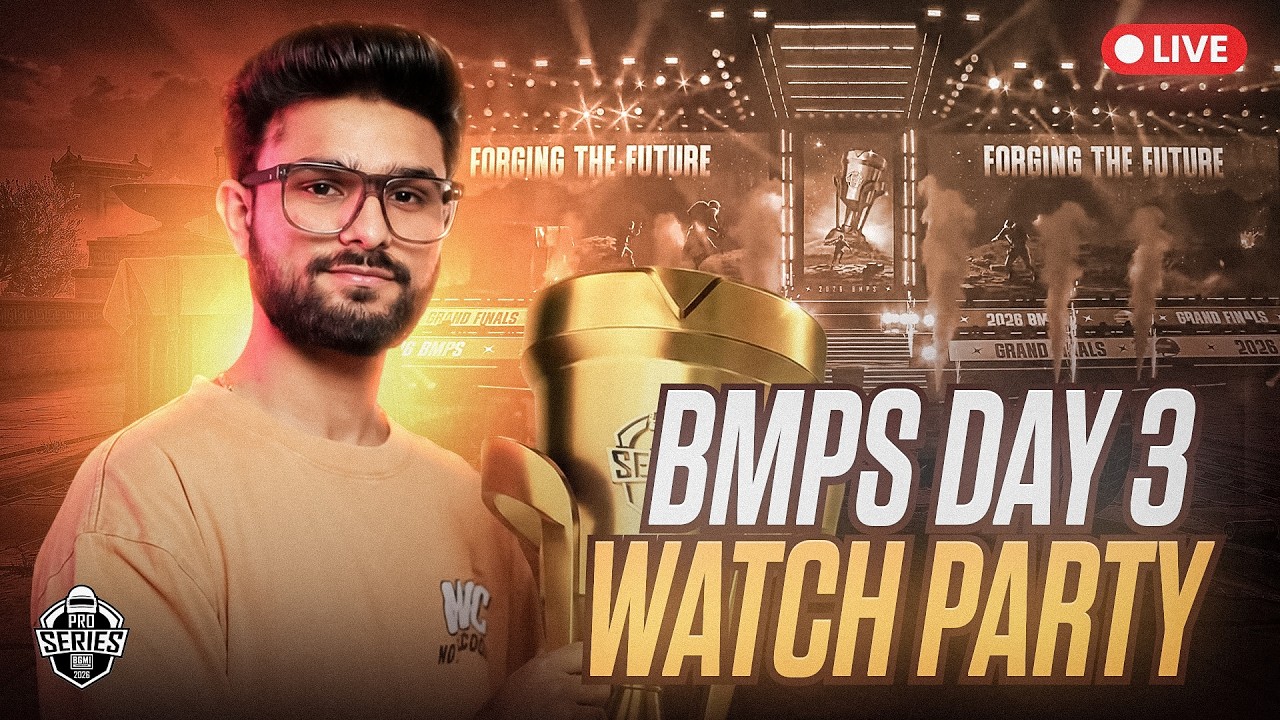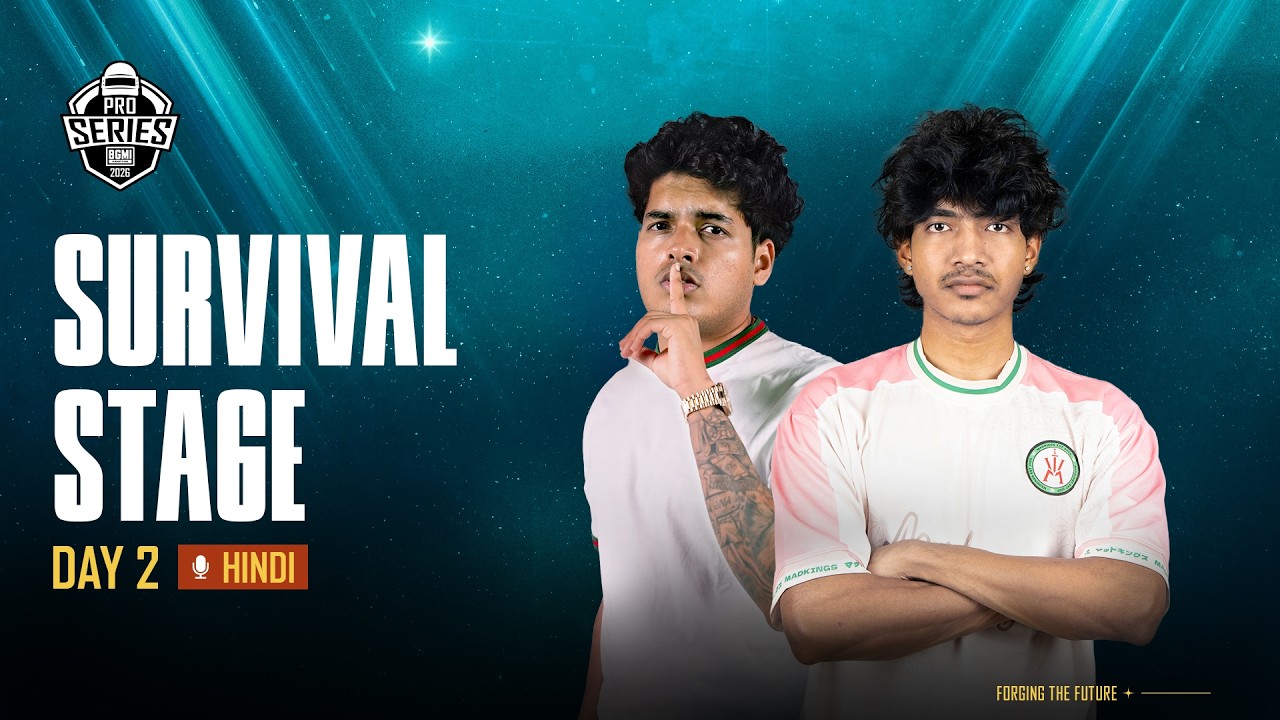
BMPS 2026 Survival Stage: Why India's BGMI Live Streams Are Booming
A Hindi-language live stream built around BMPS 2026 and its Survival Stage, Day 2 is climbing YouTube's trending charts, and it is a useful window into one of the fastest-growing corners of Indian entertainment: competitive mobile gaming. The clip is not a movie trailer or a cricket highlight — it is hours of professional Battlegrounds Mobile India (BGMI) play, watched live by a large, mostly young audience that treats these tournaments the way an earlier generation treated weekend sport.
If you scrolled past it and wondered why a phone game's qualifier is pulling those numbers, this is the explainer. We will keep the play-by-play out of it — the stream itself does that — and focus on what the format means, who is involved, and why BGMI esports has quietly become a serious business in India.
What BMPS 2026 actually is
BMPS refers to a flagship BGMI Pro Series event run within the official competitive circuit overseen by Krafton, the publisher behind the game. These are not casual scrims. Teams qualify through earlier rounds, sign up under registered esports organisations, and play on a structured calendar of matches that decide who advances and who is knocked out.
The "2026" simply marks the season. Indian BGMI competition runs in cycles through the year, with multiple stages building toward grand finals where the biggest prize pools and league placements are decided. A single tournament like this typically gathers many of the country's best-known mobile esports rosters into one bracket.
The stream that is trending is the Hindi broadcast, which matters more than it sounds. Hindi-language casting is a big reason these events reach beyond metro gaming circles into smaller cities and towns, where most of India's smartphone-first audience actually lives.
The Survival Stage, decoded
The phrase Survival Stage is the hook here, and it is exactly what it sounds like. It is an elimination phase where teams that did not punch a direct ticket to the next round must keep playing to stay alive in the competition. Finish high enough and you advance; finish low across the matches and your tournament ends.
That creates a very different kind of tension from a regular group game. Here is why it grips viewers:
- Every placement counts. Teams cannot afford a single bad map, because the cumulative points table decides survival.
- Underdogs get a lifeline. Rosters that stumbled earlier get a second chance to prove themselves against the field.
- Big names can fall. Popular, fan-favourite teams are not immune; a poor run here can eliminate a crowd favourite, which spikes drama and viewership.
Day 2 of such a stage is often where the standings harden — the early cushion or panic from Day 1 is now real, and teams play with the maths visible to everyone.
How a battle-royale match is scored
For anyone watching their first BGMI event, the scoring is the part that confuses, so it is worth laying out plainly. A match is not won purely by getting the most kills. Points come from two sources combined across several maps and matches:
- Placement points — awarded by how long you survive and where you finish, with the last squad standing (the famous "chicken dinner", or WWCD — Winner Winner Chicken Dinner) earning the most.
- Kill points — awarded for each elimination your squad records.
Because both matter, the smartest teams play a patient, positioning-led game rather than rushing every fight. A squad can rack up kills and still finish behind a quieter team that placed in the top three every single map. This is precisely why a Survival Stage points table can swing dramatically in the final match, and why streams stay tense to the last circle.
Why BGMI live streams pull such big audiences
The scale of these broadcasts surprises people who do not follow gaming. The reasons are structural and very Indian.
First, the smartphone is India's primary computer. Console and high-end PC gaming remain niche on cost grounds, but a competitive shooter that runs on an affordable Android phone is within reach of tens of millions. That makes BGMI a mass-market title in a way few games anywhere can claim.
Second, it is free to play and free to watch. There is no paywall between a curious teenager and either the game or the tournament, which removes the friction that gates traditional sport behind subscriptions.
Third, the community is personality-driven. Star players and streamers have followings comparable to mid-tier film or music celebrities, and fans tune in as much for individuals and their teams as for the trophy. A trending Survival Stage stream is partly a sport broadcast and partly a hangout with creators people already follow daily.
The bigger picture: India's mobile esports economy
Behind the on-screen action sits a real industry. Professional BGMI is now a livelihood for a growing pool of players, coaches, analysts, casters, content editors and team managers. Established esports organisations sign players to contracts, chase brand sponsorships, and treat tournament runs as both prize-money opportunities and marketing for their wider content business.
This ecosystem has had a bumpy ride. BGMI's predecessor was banned in India in 2020 amid a broader crackdown on certain apps over data concerns, and BGMI itself — an India-specific version published by Krafton — was removed from app stores in 2022 before returning in 2023 after compliance assurances. That history is a reminder that the scene operates within evolving rules on data, age limits and online-gaming regulation, all of which Indian policymakers are still shaping.
There is also the wider debate India is having about online gaming, screen time and the line between skill-based esports and real-money gaming, which are legally and ethically distinct. Competitive BGMI sits firmly on the skill-based esports side — you win by playing better, not by wagering — but the public conversation often blurs the categories, which is worth keeping in mind.
What to watch for next
A Survival Stage is, by design, a gateway rather than a destination. The teams that come through it move on to tougher rounds, and the narrative of a BMPS season builds toward its grand finals, where the largest prize money and the most prestige are on the line.
A few things genuinely worth tracking as the event rolls on:
- Which fan-favourite rosters survive versus which big names bow out early — the upsets are what travel furthest on social media.
- The consistency leaders. Teams that quietly place high every map, rather than the flashy kill-heavy squads, often go deepest.
- Viewership peaks. Hindi-cast highs are a real barometer of how far mainstream Indian mobile esports has come.
For now, the takeaway is simple. A phone game's qualifier trending on YouTube is not a fluke — it is a snapshot of where a huge slice of young India spends its attention. BMPS 2026 and its Survival Stage are the visible tip of an esports culture that has gone from banned-and-back to genuinely mainstream in just a few years, and the audience numbers suggest it is nowhere near its ceiling.