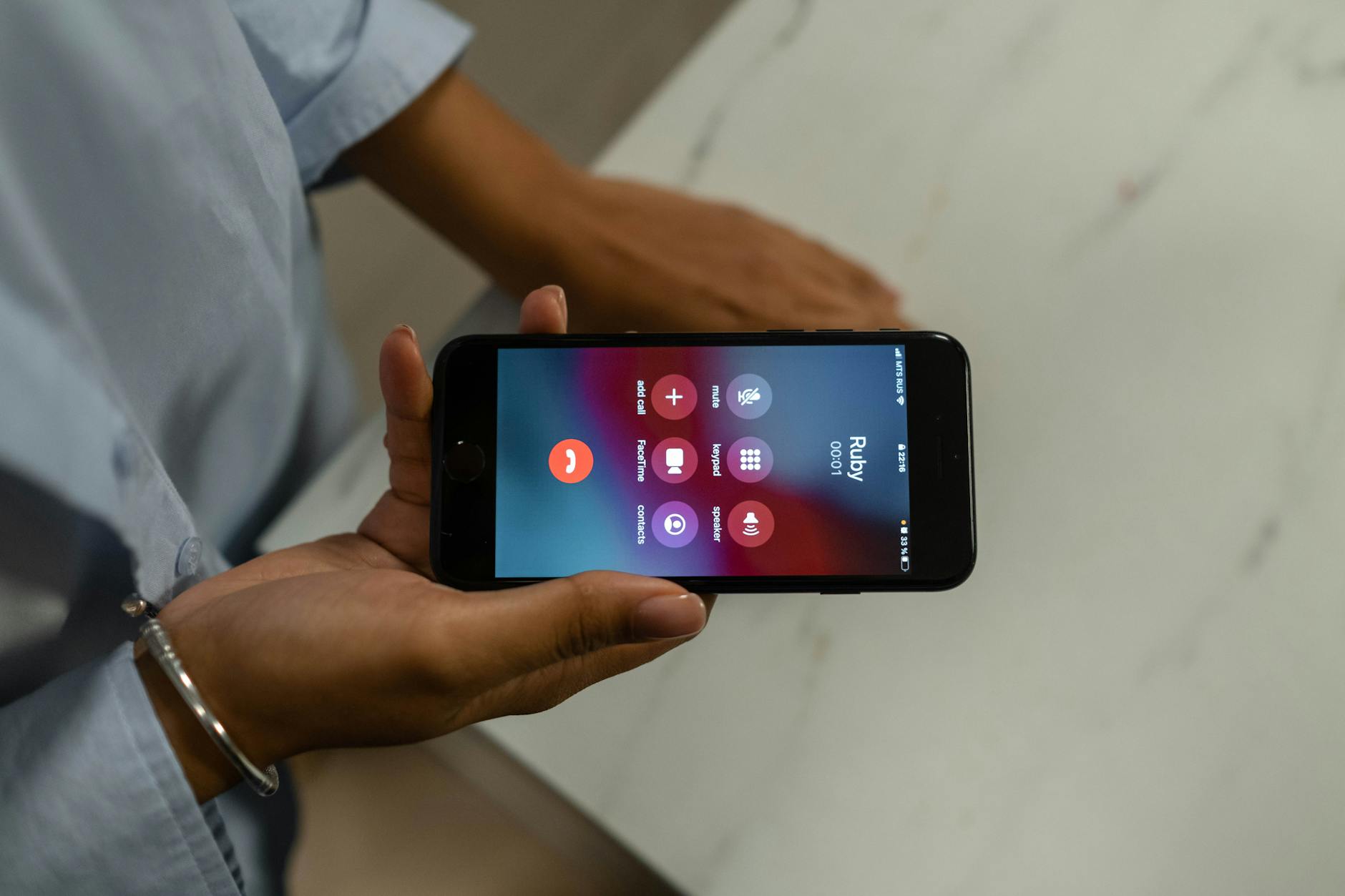
Photo: cottonbro studio / Pexels
CNAP Is Here: India's Built-In Caller ID, Explained
For years, the only way to know who was calling an unknown Indian number was to install a third-party app and hand over your contact book in return. That quietly changes in 2026. CNAP — Calling Name Presentation — is rolling out across Indian networks, putting a verified caller name on your screen straight from the telecom network, no app required. It is one of the biggest changes to how a billion-plus Indians answer the phone, and most people will see it switch on without even realising why.
Think of it as caller ID that the operator vouches for. When a call comes in, the network looks up the name tied to that number in its own KYC-verified records and flashes it on your handset. No crowdsourcing, no community labels — just the identity registered against the SIM. Here is what it actually does, where it falls short, and what you should do about it.
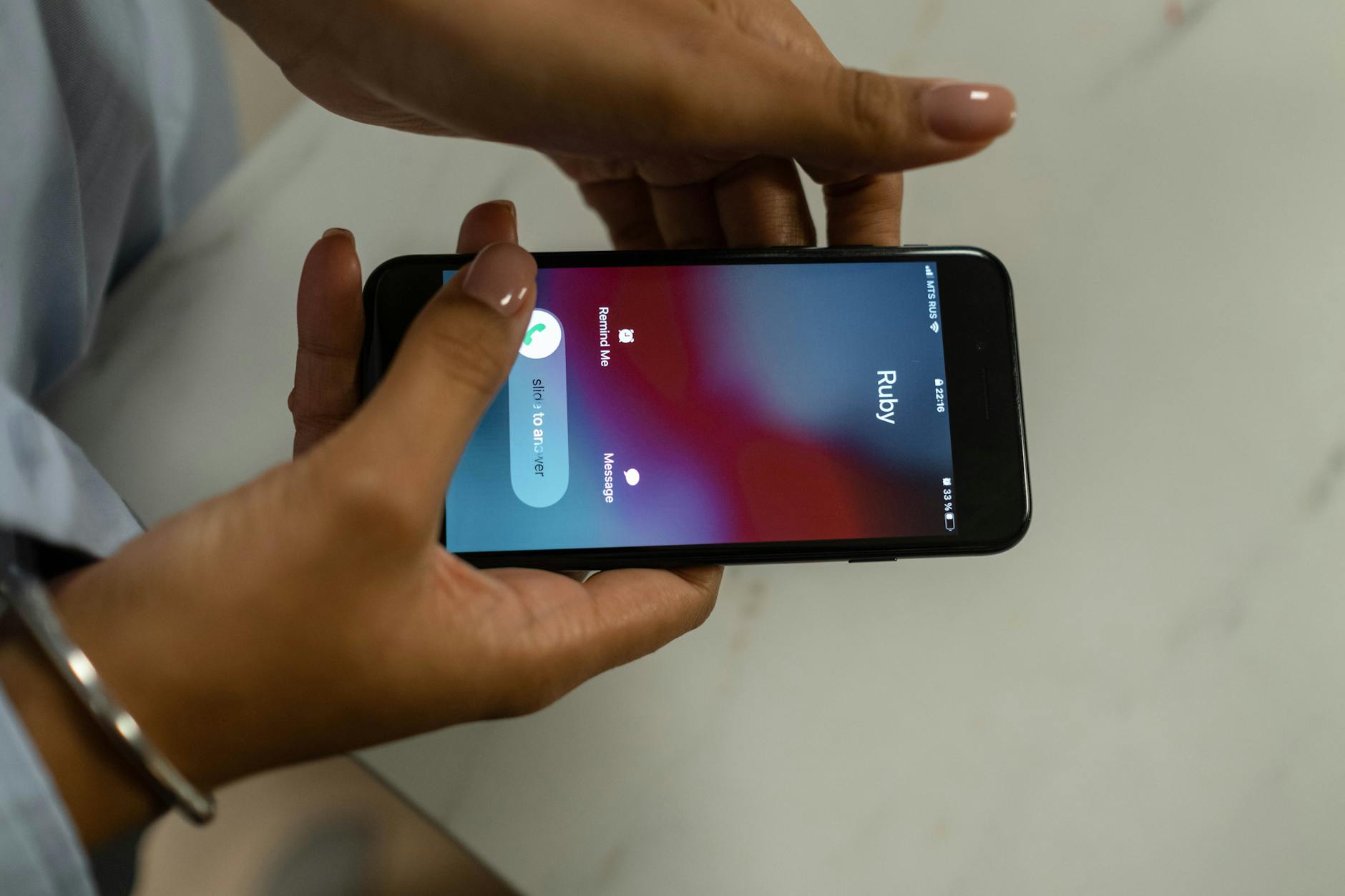
What CNAP actually is
CNAP is a network-level feature that displays the registered name of the person or business calling you, sourced from the database your operator built when the SIM was issued. That database is created from the documents you submit at activation — your Aadhaar, passport or other approved ID — so the name is, in theory, the real legal identity behind the number.
The key word is network. Today's caller-ID apps live on your phone and guess names from data other users uploaded. CNAP skips all that. The name travels with the call signal itself, which is why you do not need to download anything or grant any permissions. If your handset and network support it, it simply appears.
The regulator, TRAI, cleared the way for this in October 2025 after a long consultation, and the Department of Telecommunications pushed operators to deploy it. By roughly March–April 2026, the feature is expected to reach the bulk of Indian mobile users in stages.

How it is different from Truecaller
This is the question most readers will have, so let us be precise. Truecaller and similar apps are powerful because of scale — millions of users tag numbers as "spam", "OLX buyer" or a shop's name, and that collective intelligence gets served back to you. It is fast and often accurate, but it is also unofficial and occasionally wrong, outdated or even malicious.
CNAP flips the model:
- Source of truth: CNAP uses the operator's official KYC record; Truecaller uses crowdsourced and uploaded contact data.
- Accuracy of identity: CNAP shows the legally registered name; apps show whatever the community labelled it.
- Privacy cost: CNAP needs no access to your contacts; most ID apps ask you to share your address book.
- Spam scoring: Apps flag and block known spammers; CNAP only names the caller, it does not rate them.
In practice the two are complementary. CNAP answers "who is officially behind this number?" while a spam app answers "have other people had a bad experience with it?" Many Indians will keep both running.
Who gets it first — and who is left out
The rollout is staged, not a single overnight switch. The first wave covers 4G and 5G subscribers whose calls run over VoLTE, because the modern signalling these networks use can carry the name field cleanly. Older 2G and 3G connections come later, if at all.
There is a hardware catch too. Your phone's software has to know how to read and display the incoming name. Smartphone makers have been given a window — reported at around six months from the rollout — to push updates that support CNAP. Newer Android phones and iPhones will get this through routine updates; very old or ultra-budget devices may never show it.
The people most exposed to phone fraud — many feature-phone users in smaller towns and villages — are, ironically, last in line, because basic feature phones generally cannot render a CNAP name at all. That is a real limitation worth keeping in mind before treating CNAP as a universal shield.
The privacy question: your name is now on display
Flip CNAP around and a fair worry appears: every time you call someone, your registered name could pop up on their screen. For most people that is fine. For others — journalists, doctors giving out a personal number, anyone with safety concerns — it is not.
India's rules account for this through CLIR (Calling Line Identification Restriction), the long-standing setting that lets you withhold your identifying details. If you activate CLIR with your operator, your CNAP name is suppressed on outgoing calls. The trade-off is blunt: a call with no name and no number is the call people are now more likely to ignore, so suppressing your identity can mean fewer pickups.
There is also a structural point. Because the name comes from KYC data, the system is only as clean as those records. SIMs taken on someone else's documents, business connections under a firm's name, or a number that changed hands will all show whatever the paperwork says — not necessarily who is really holding the phone today.
What CNAP fixes — and what it does not
CNAP's biggest win is against spoofing and anonymity. A scammer who hides behind a random unknown number loses some cover when your screen can show a mismatched or blank official name. A call claiming to be "your bank" that displays an individual's unrelated name is an instant red flag.
But do not over-trust it. Here is the honest scorecard:
- Helps: spotting genuinely unknown callers, identifying businesses, reducing blind anonymous calls.
- Helps less: stopping fraud rings that operate on legitimately issued SIMs under shell or stolen identities.
- Does not help: WhatsApp and other internet calls, which never touch the telecom network and so carry no CNAP name at all.
That last point matters because a growing share of scam calls now arrive over the internet precisely to dodge telecom controls. CNAP narrows the gap on regular cellular calls; it does not close the OTT loophole.
What you should do now
You do not have to set anything up to receive CNAP — it arrives on its own. But a few practical moves make sense:
- Update your phone's software so it can actually display incoming names when your operator switches CNAP on.
- Check your own KYC name is correct and current with your operator, since that is exactly what others will now see.
- Decide on CLIR consciously: keep your name visible for trust, or restrict it if you have a genuine privacy or safety reason.
- Keep treating calls with skepticism. A verified name is a strong hint, not a guarantee — never share OTPs or transfer money just because the screen showed a familiar-looking label.
CNAP will not end spam overnight, and it is not a Truecaller killer in the way headlines suggest. What it does is quietly raise the floor: for the first time, the default Indian phone call comes with an official name attached, baked into the network rather than bolted on by an app. In a country drowning in fraudulent calls, that small change in who you can trust on the other end of the line is a genuinely big deal.