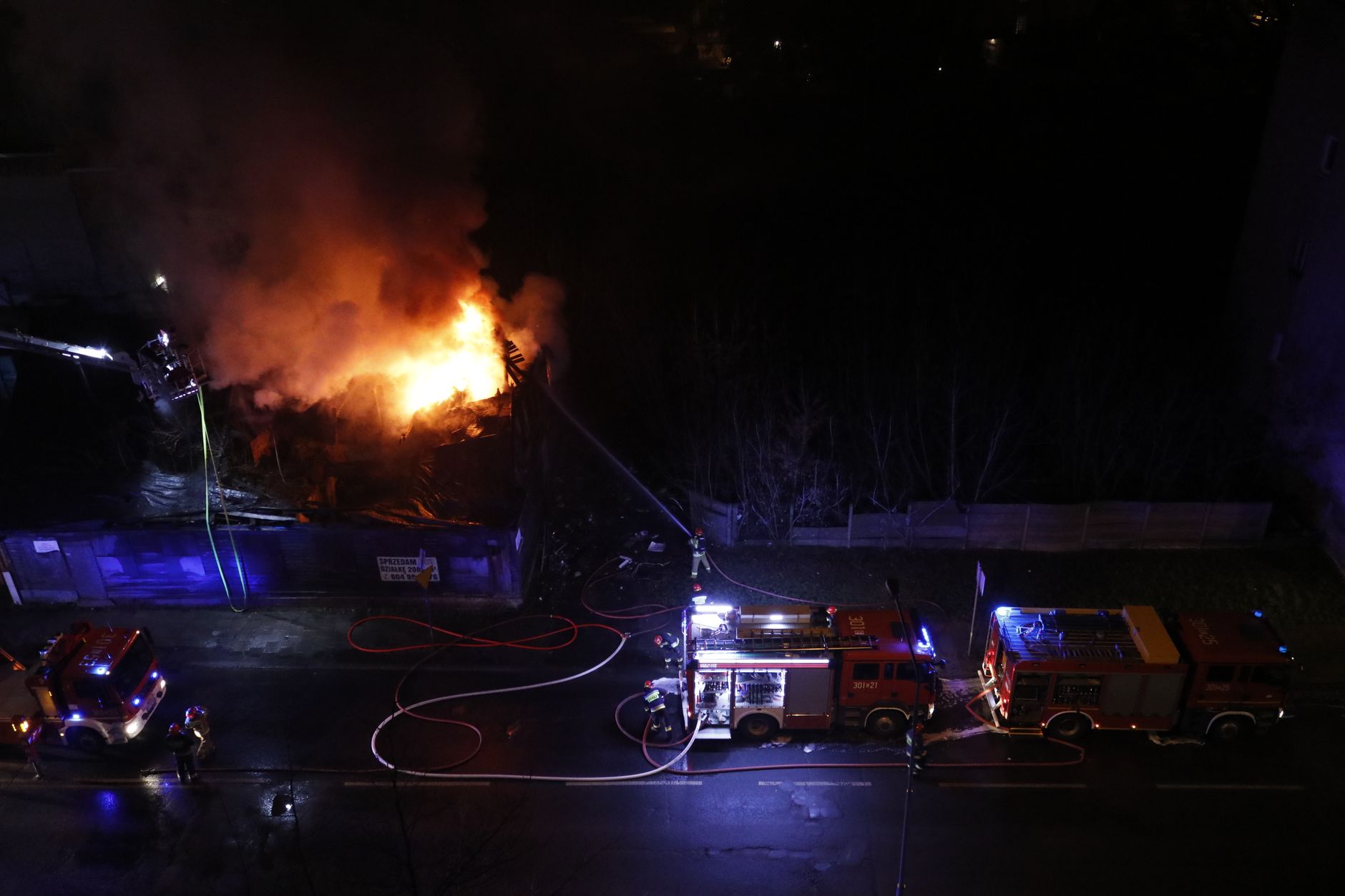
Photo: Przemysław Cyruliński / Pexels
Delhi Hotel Fire: Owner Arrested, and the B&B Loophole That Kills
A bed-and-breakfast is supposed to be the gentlest kind of place to stay — a few spare rooms in someone's home, a warm host, a modest tariff. On the morning of June 3, 2026, a property calling itself one became a death trap in the heart of south Delhi. A fire at the Flourish Stay B&B in Malviya Nagar killed 21 people, and within hours police had arrested the man whose name was on the building.
The headline — Delhi hotel fire: building owner arrested — tells you who is being held responsible. But the more uncomfortable story sits underneath it: how a structure licensed for a handful of rooms came to pack in guests across five floors and a basement, with one way out and windows that would not open.
What happened in Malviya Nagar
The blaze started at around 8.48 am in the ground-floor restaurant of the five-storey building in the congested Hauz Rani lane, close to a major private hospital. According to the fire department, an electrical short circuit is the suspected trigger, though that has not been formally confirmed.
From the restaurant, flames and thick smoke climbed fast through the narrow building. Many guests were still asleep in upstairs rooms when the smoke reached them. Some, with no clear escape route, jumped from upper-floor windows to get out. Fire crews pulled roughly 37 people to safety, and more than 40 were taken to hospitals, several in critical condition.
Delhi's chief fire officer offered a description that has stuck in the public imagination: the building, he said, was effectively a shaft, with sealed windows and no ventilation. In a fire, that is close to a worst-case design — heat and toxic smoke build with nowhere to vent, and the people inside run out of breathable air long before they run out of time.

Who died — and why so many were foreigners
One detail set this tragedy apart from the usual run of urban fires. Most of the dead were foreign nationals, with victims reported from countries including Bangladesh, Nigeria, Mozambique and Liberia. Many of them were not tourists in the sightseeing sense at all.
The area around the hotel is dotted with budget lodgings that cater to families of patients at nearby hospitals, including people who travel to Delhi from across South Asia and Africa for medical treatment. Cheap rooms near the hospital gate are in constant demand, and informal B&Bs fill that need. That is why a single building fire could claim so many lives from so many different countries at once — it was housing the relatives of the sick, packed in tight.
The owner's arrest
Delhi Police moved quickly. The building's owner, identified in reports as Lavkesh Bajaj, was arrested the same day. Investigators are examining a stack of alleged violations rather than any single failure, which is typical of how these disasters unfold — not one big mistake, but many small, profitable ones layered on top of each other.
The core allegations, as reported, include:
- The property had permission for only six rooms under the B&B scheme but was allegedly running around 25 rooms.
- Extra floors were reportedly added without informing the authorities.
- Rooms had been built in the basement, where several bodies were recovered.
- The fire department reportedly had no record of a valid fire safety certificate for the premises.
- The building had a single exit, a locked outer gate, and windows that were sealed shut.
An arrest is the visible part of accountability, and an important one. But the recurring pattern in Indian fire tragedies is that the spotlight falls on one owner while the system that let the building operate for years stays in the shadows.
The B&B loophole at the centre of it
This is the angle worth slowing down on. Delhi's bed-and-breakfast policy was introduced by the state tourism department ahead of the 2010 Commonwealth Games, when the city faced a shortage of affordable rooms for visitors. The idea was charming and sensible: let ordinary homeowners rent out a small number of rooms, spread tourism into neighbourhoods, and earn a little income from unused space.
To keep it genuinely residential, the scheme came with limits — the property must stay a home, the owner or a caretaker must live there, and the number of guest rooms and beds is capped. Crucially, because it is treated as a lightly commercial residential use rather than a full hotel, it does not carry the same heavy compliance burden.
That is the gap. A proper commercial hotel must clear municipal approvals, building-plan sanctions and a rigorous fire safety NOC before it can take guests. A B&B faces a far lighter touch. For an honest homeowner with two spare rooms, that proportionality makes sense. For an operator who quietly turns a house into a 25-room lodge, the same light-touch label becomes a shield — a way to run what is functionally a hotel while ducking the fire codes a hotel would have to meet.
In other words, the licence that was meant to encourage small, safe hospitality can, when abused, legalise exactly the kind of structure that just burned.
Why this keeps happening
Delhi has been here before. Coaching-centre basements, factory godowns, banquet halls and budget hotels have all produced mass-casualty fires built on the same ingredients: too many people, too few exits, illegal floors and a piece of paper that didn't match reality. The economics are brutally simple — every extra room is rent, and fire safety is a cost with no visible return until the day it is the only thing that matters.
Enforcement is the weak link. Buildings are inspected on paper more often than in person, illegal additions are common knowledge in the lane long before they are official, and clearances can lag the reality on the ground by years. When a fire finally exposes the gap, the response tends to be reactive: arrests, sealing drives, a fresh round of notices.
The Delhi government has been working on a revised draft B&B policy that would tighten the screws — mandating proper electronic guest records and basic firefighting equipment, among other things. Whether it lands with real inspection teeth, rather than another form to file, will decide if it changes anything.
What comes next
Expect the immediate aftermath to follow a familiar arc. There will be a magisterial or departmental inquiry, a city-wide drive to inspect and seal B&Bs and budget hotels operating beyond their permits, and political back-and-forth over who signed off on what. The owner's arrest will move through the courts, where the question will be whether the lapses amount to negligence severe enough to carry serious criminal liability.
For ordinary travellers, the practical lesson is uncomfortable but useful. A cheap room near a hospital or station may be one of these grey-zone lodgings. A few quick checks can genuinely matter:
- Look for at least one clearly marked second exit and stairwell before you check in.
- Be wary of basement rooms and floors that look hastily added.
- Note whether windows actually open and whether corridors are clear of clutter.
- Ask, plainly, whether the place has a valid fire safety certificate — the hesitation in the answer tells you a lot.
None of that is a substitute for the state doing its job. But until the loophole is closed and inspections are real, the gap between what a licence says and what a building actually is will keep claiming lives — and the next arrest will read exactly like this one.