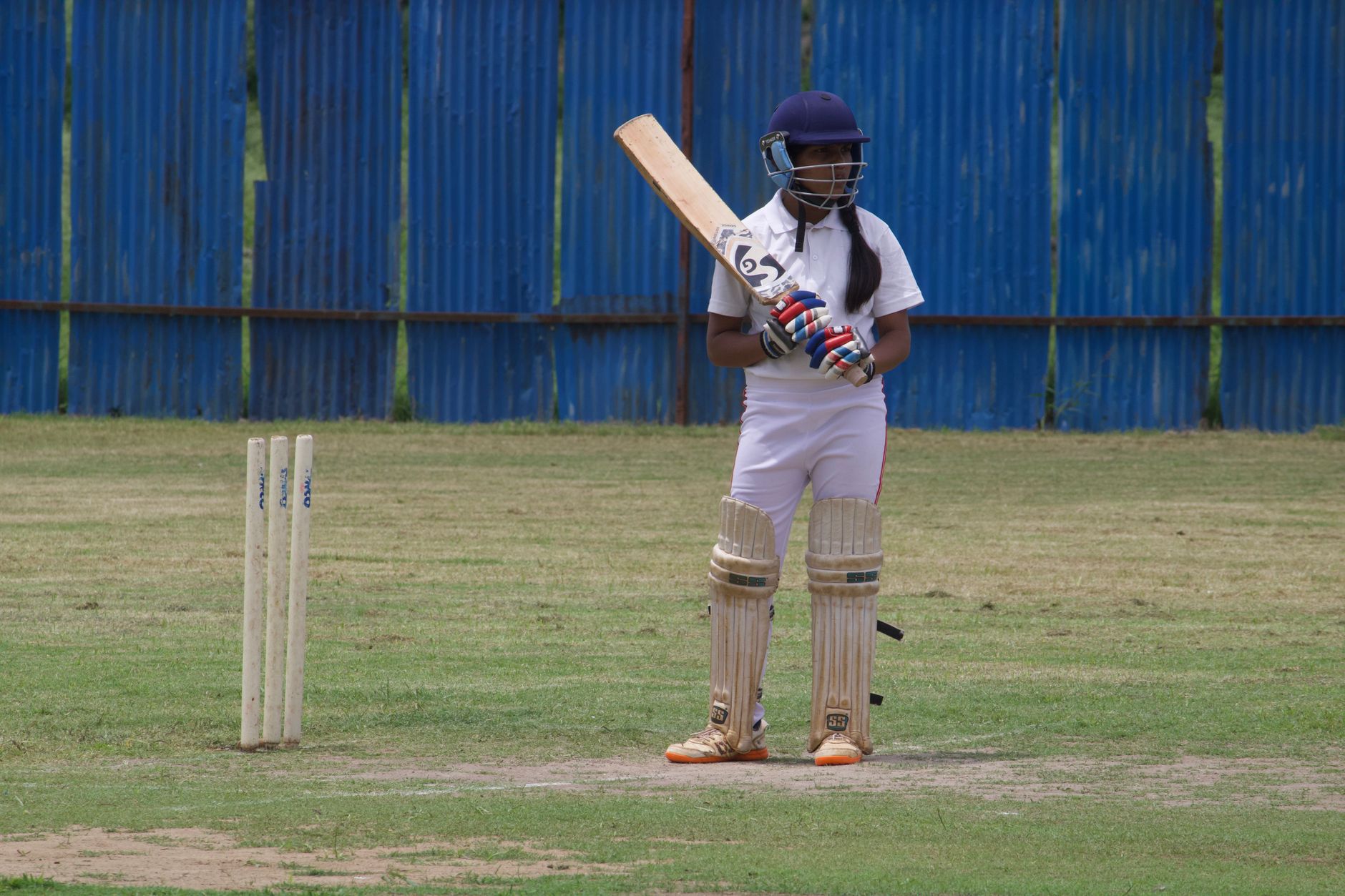
Photo: Arsal Point / Pexels
DLS Method: How Rain Rewrites a Cricket Target
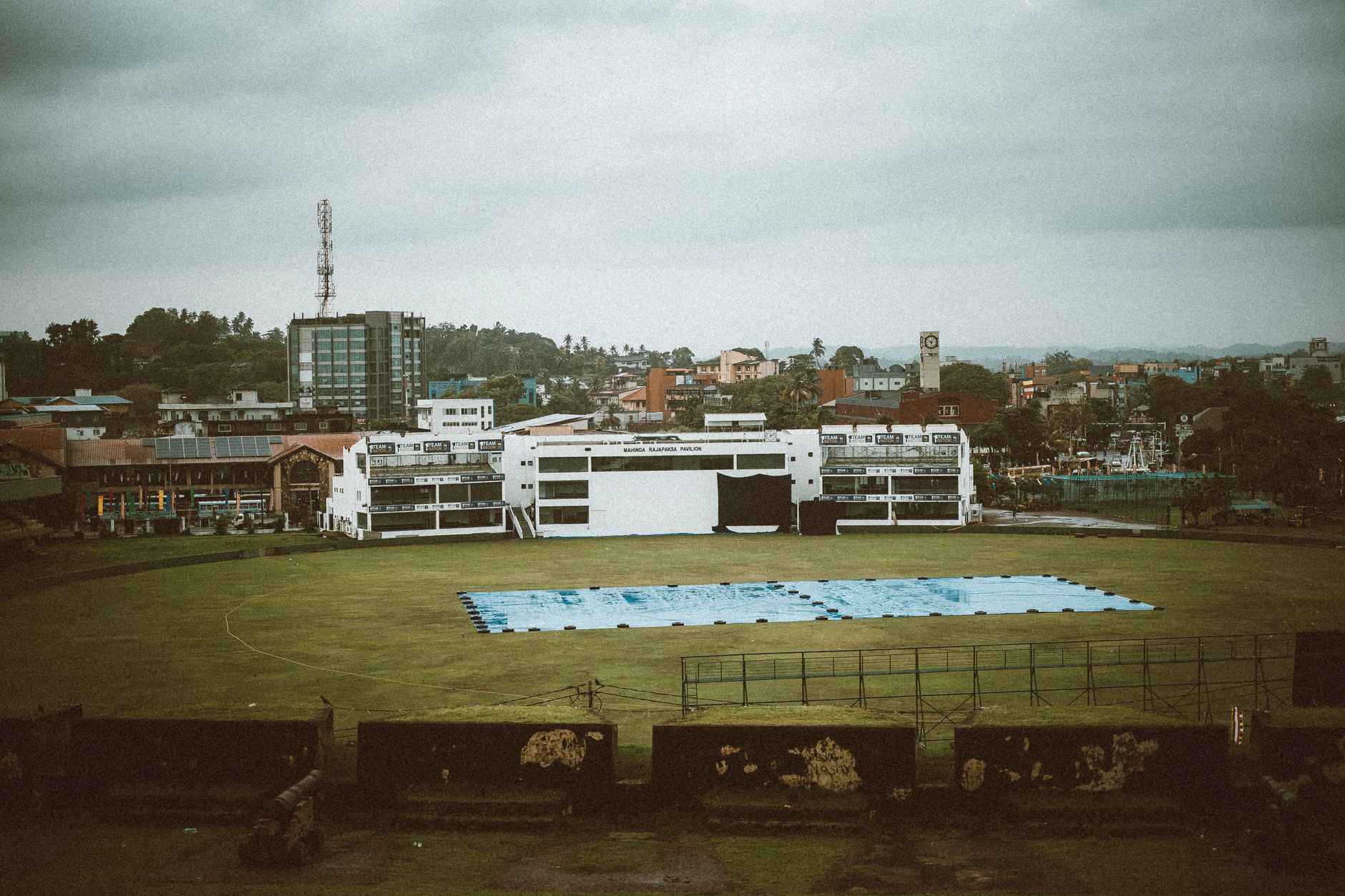
Monsoon and cricket arrive in India at roughly the same time, and every June brings the same scene: covers dragged across the square, players in the dugout, and a number on the screen that suddenly decides who is winning. That number comes from the Duckworth-Lewis-Stern (DLS) method, the formula that rewrites a cricket target when rain or bad light eats into a limited-overs game. Most fans nod along without quite knowing how a side chasing 250 can suddenly need 180 off fewer overs. Here is the logic, stripped of the jargon.

The DLS method counts resources, not just runs
The core idea is deceptively simple. A team starting a 50-over innings does not just have runs to score; it has two resources to spend: the balls it can face and the wickets it has in hand. An ODI side begins with 300 balls and 10 wickets, which DLS treats as 100% of its resources. Every ball bowled and every wicket lost chips away at that pool until it hits zero.
This is why a scoreboard reading 40 for 0 after ten overs is worth far more than 40 for 6 after the same ten overs. The runs are identical, but the second team has burned through most of its wickets and has almost nothing left to attack with. DLS captures that gap, which a crude run-rate calculation never could. The old run-rate rules of the 1990s ignored wickets entirely, and that is exactly why they produced absurd results before this system replaced them.
Why the target shrinks when overs are lost
When rain shortens an innings, DLS works out how much of each team's resource pool was actually available, then sets a fair target in proportion.
Say the team batting first uses its full 100% of resources to post a total. If rain then cuts the chasing side down to, for example, 35 overs with all wickets intact, that team will only ever have access to a fraction of the resources, perhaps around 80%. DLS scales the first innings score against that smaller figure to produce a revised target. The chasing team needs fewer runs because it physically has fewer balls to score them, not because anyone is being generous.
The reverse can also happen. If the side batting second loses overs but keeps all its wickets, it sometimes ends up needing more runs per over than the first team faced, because it now has surplus wickets relative to the deliveries left. DLS is trying to keep both innings equally difficult, and that street runs in both directions.
Resource tables and the Stern update
Behind the broadcast graphic sits a set of ICC resource tables that assign a percentage to every possible combination of overs remaining and wickets lost. Match officials feed the live situation into approved software, which reads off the table and spits out the target or the par figure. No umpire is doing this on the back of a napkin.
The "S" in DLS was added in 2014, when Australian academic Steven Stern revised the original model built by statisticians Frank Duckworth and Tony Lewis. Scoring patterns had changed; teams were hitting far more in the closing overs, especially in the T20 era, and the older tables underrated how explosively modern sides finish. The Stern update recalibrated the numbers so that high totals and big death-overs hitting are treated fairly.
Par score is the number to watch
During any rain-threatened chase, the figure that actually matters ball to ball is the par score. It is the running benchmark that says: to be exactly level with the first team right now, given your overs used and wickets lost, you should be on this many runs.
- If play is abandoned and you are ahead of par, you win.
- If you are behind par, you lose.
- If you are exactly level, it is a tie under DLS.
To be clear about the winning side of the line, a team needs to be at least one run past par when the rain comes down for good. This is why you sometimes see a batter desperately taking a single in gloomy light, or captains gambling on a few extra big shots before an expected interruption. They are not chasing the final target; they are trying to climb above the par line in case the umpires never come back out.
How much play makes a result
Rain cannot always force a finish. For a shortened game to produce a winner rather than a washout, a minimum amount of cricket has to happen in the second innings.
- In a 50-over ODI, the side batting second usually must face at least 20 overs, unless it is bowled out or passes the target sooner.
- In a T20, that floor drops to 5 overs per side.
Fall short of that, and the match is declared a no result, with points shared in a league or a reserve day or Super Over used in a knockout, depending on the tournament's rules. Those minimums exist so that a single freak passage of play cannot decide a match on a laughably small sample.
Where DLS still draws complaints
No formula keeps everyone happy. The method assumes teams would have batted in a fairly typical pattern, so when a side has planned a huge late assault that rain wipes out, the revised target can feel harsh. The 1992 World Cup semi-final, played under the crude pre-DLS rule, remains the cautionary tale of how badly rain maths can go wrong, and it is the reason a proper resource-based system exists at all.
DLS is not perfect, but it is consistent, transparent and built on decades of scoring data. For the Indian fan squinting at a damp screen this monsoon, the takeaway is practical: ignore the run rate and watch the par score. When the covers come on, that single number already knows who is in front.
What to keep an eye on next time it rains
- Check the par score on the graphic, not the original target, the moment rain looks likely.
- Remember that wickets in hand matter as much as overs left; losing cheap wickets sinks your DLS position fast.
- Know the minimum overs for the format so you can tell whether a result is even possible.
- In knockouts, expect a Super Over if the scores finish level on DLS.
- Trust the software figure on screen; it comes from the official ICC tables, not a broadcaster's estimate.