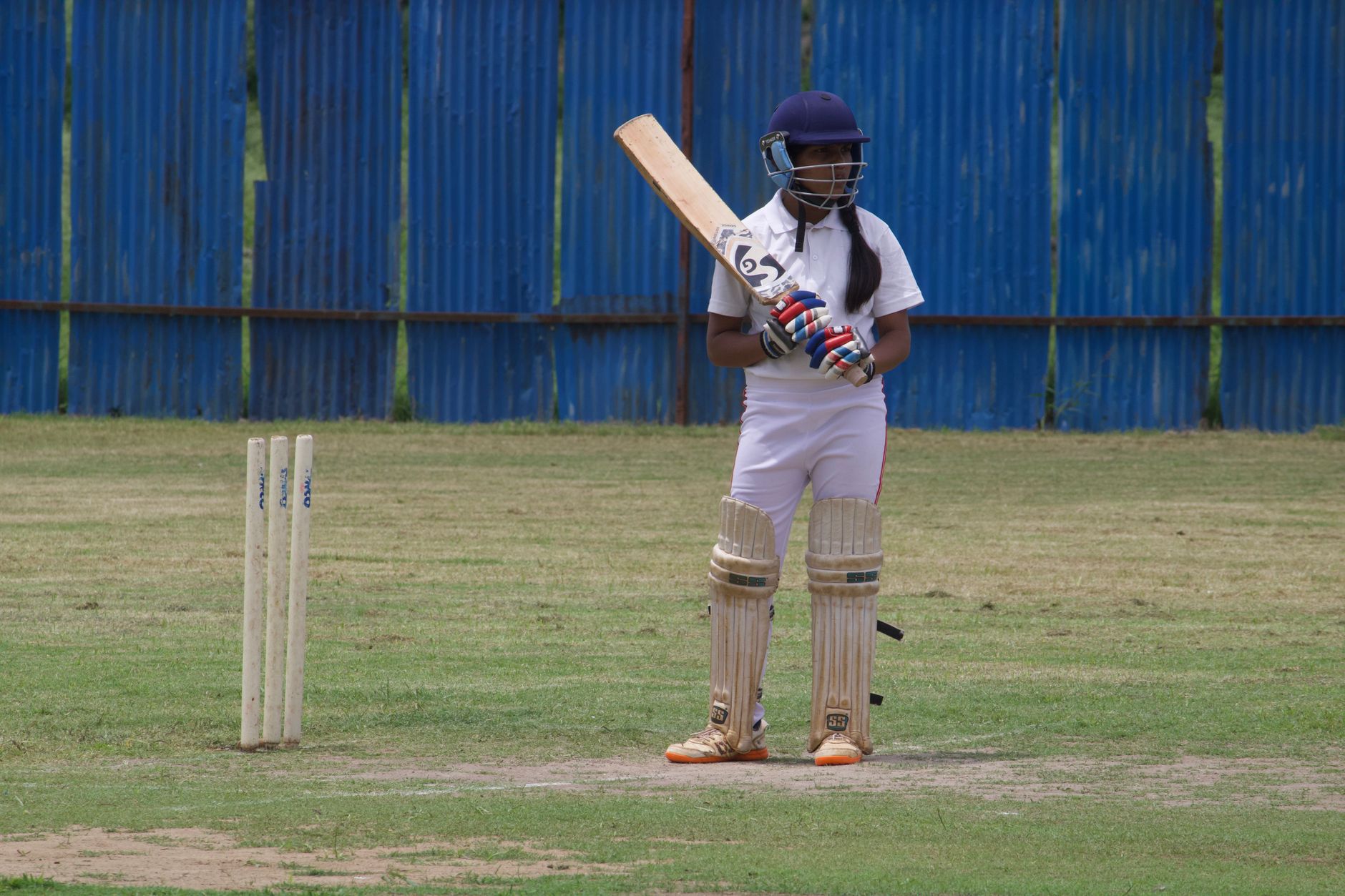
Photo: Lorien le Poer Trench / Pexels
Women's T20 World Cup: India's First Wall Is Marizanne Kapp
Two games in, India looked like the most ruthless side at the Women's T20 World Cup 2026. Then they ran into Marizanne Kapp on a Sunday in Manchester, and the tournament suddenly looked a lot less straightforward. South Africa chased down a tricky total at Old Trafford on June 21 to hand India their first defeat, and the result has reset both the group race and the conversation around this Indian batting order.
It was the kind of loss that stings more for how it arrived than for the margin. India had the game in their hands for long stretches. They just couldn't find the one moment to close it out, and Kapp made them pay with a knock that fans will be replaying for years.

The night Kapp refused to leave
Chasing 159, South Africa were nowhere. They crawled to just 25 in the powerplay and the asking rate kept climbing while wickets fell at the other end. This is usually where India's spinners squeeze a chase to death.
Instead, Marizanne Kapp played one of the great World Cup innings under pressure. Her unbeaten 81 off 45 balls, dressed up with seven fours and four sixes, dragged South Africa home with five balls to spare at 161/4. The spine of it was a 97-run partnership with Tazmin Brits, who chipped in a brisk 40 before falling.
India will know they helped. Kapp was dropped twice by Radha Yadav, and she rode her luck early before timing the ball cleanly. Debutant leg-spinner Prema Rawat felt the brunt of her counterattack. In a tournament where so many chases have been strangled, this one got away, and an experienced campaigner is exactly the type to make that happen.
Why 158 was never quite enough
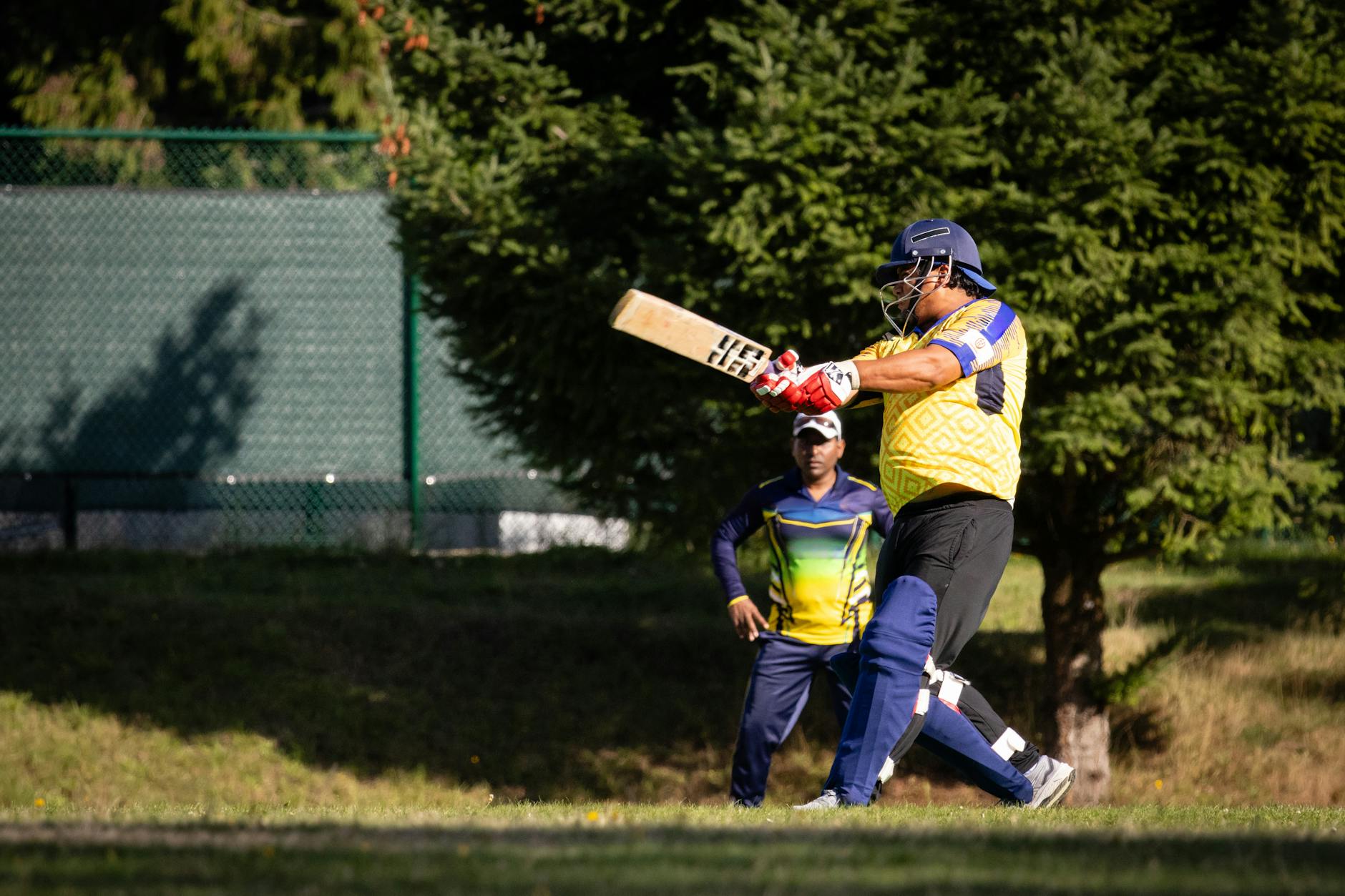
The loss didn't start in the field. It started when India's innings stalled. After a flying first two matches, the batting limped to 158/7, with Shafali Verma top-scoring on 31 and Deepti Sharma adding 29. Nobody went on to the big score that the start promised.
That is the worry. India's template this tournament has leaned heavily on their openers detonating early. When Smriti Mandhana and Shafali fire, the total looks enormous. When they don't, the middle order has looked short of both runs and intent against disciplined bowling.
A few uncomfortable questions sit on the table now:
- Who anchors when the openers fall cheaply?
- Is there enough hitting depth at Nos. 5 to 7 to rescue a stuttering innings?
- Can the bowling defend a par total, not just a huge one?
None of this is panic territory. But it's the difference between a side that bullies weaker teams and one built to win a knockout against the very best.
What India did right before this
It's worth remembering how good India had been. Their opener against Pakistan on June 14 at Edgbaston was a statement: 170/6 powered by Mandhana's 68, then Pakistan folded for 106 as Deepti Sharma ran through them with figures of 5 for 10. A 64-run win, and India's biggest World Cup total against their rivals.
Three days later they were even more brutal. Against the Netherlands at Headingley, Mandhana made 74 and Shafali a fifty as India piled up 209/5, their highest total in Women's T20 World Cup history. Left-arm spinner Shree Charani then took 4 for 19 to wrap up a 95-run rout.
Those two performances pushed India's net run rate to nearly +4 and made them group favourites. The South Africa loss trims that buffer but doesn't erase it.
The group math, in plain terms
India sit second in their group on 4 points with a net run rate of +2.511. That superior NRR is now a genuine asset, because it gives them a cushion if results elsewhere tighten.
Here's how the run-in shapes up:
- Beat Bangladesh on June 25 and India climb to six points with their run rate intact. That should be enough to all but confirm a semi-final place.
- Lose to Australia but beat Bangladesh and India still finish on six points, very likely through on net run rate over the chasing pack.
- Lose both and the picture turns ugly fast, with elimination back in play.
The top two from the group advance to the semi-finals, scheduled for June 30 and July 2 at The Oval, with the final at Lord's on July 5. India's path is firmly in their own hands. They simply can't afford a second slip.
Bangladesh next, then the real test
India return to Old Trafford to face Bangladesh on June 25. On paper it's a gap India should close comfortably, and a clinical win would also be a chance to fatten the net run rate again before the big one.
Because the big one is Australia at Lord's on June 28. The defending champions remain the benchmark, and that fixture may well decide who tops the group and who takes the tougher semi-final route. India will want to arrive there with qualification already sealed, free to throw a punch rather than play scared.
Captain Harmanpreet Kaur struck the right note after the defeat, pointing out that India had created chances and simply failed to take them. That's the honest read. The bones of a title-contending side are all here.
Why fans can't stop talking about it
Part of the buzz is Kapp. An innings like that, in a must-win game, against the tournament's form team, is the sort of individual brilliance that travels well beyond the scorecard. Even Indian fans have grudgingly tipped their caps.
The rest is the nerves it has stirred at home. India keep building beautiful starts at global events and keep being asked to prove they can finish. A loss this early, in a tournament they have genuine designs on winning, lands harder than the standings suggest. It reopens an old debate about whether this golden generation can finally convert promise into a trophy.
The answer starts on June 25. Win well against Bangladesh, then go to Lord's with something to play for rather than something to fear, and this stumble becomes a useful early warning. Drop another, and the questions get a lot louder. For now, India remain very much alive, slightly bruised, and exactly where most fans expected them to be heading into the back end of the group stage.