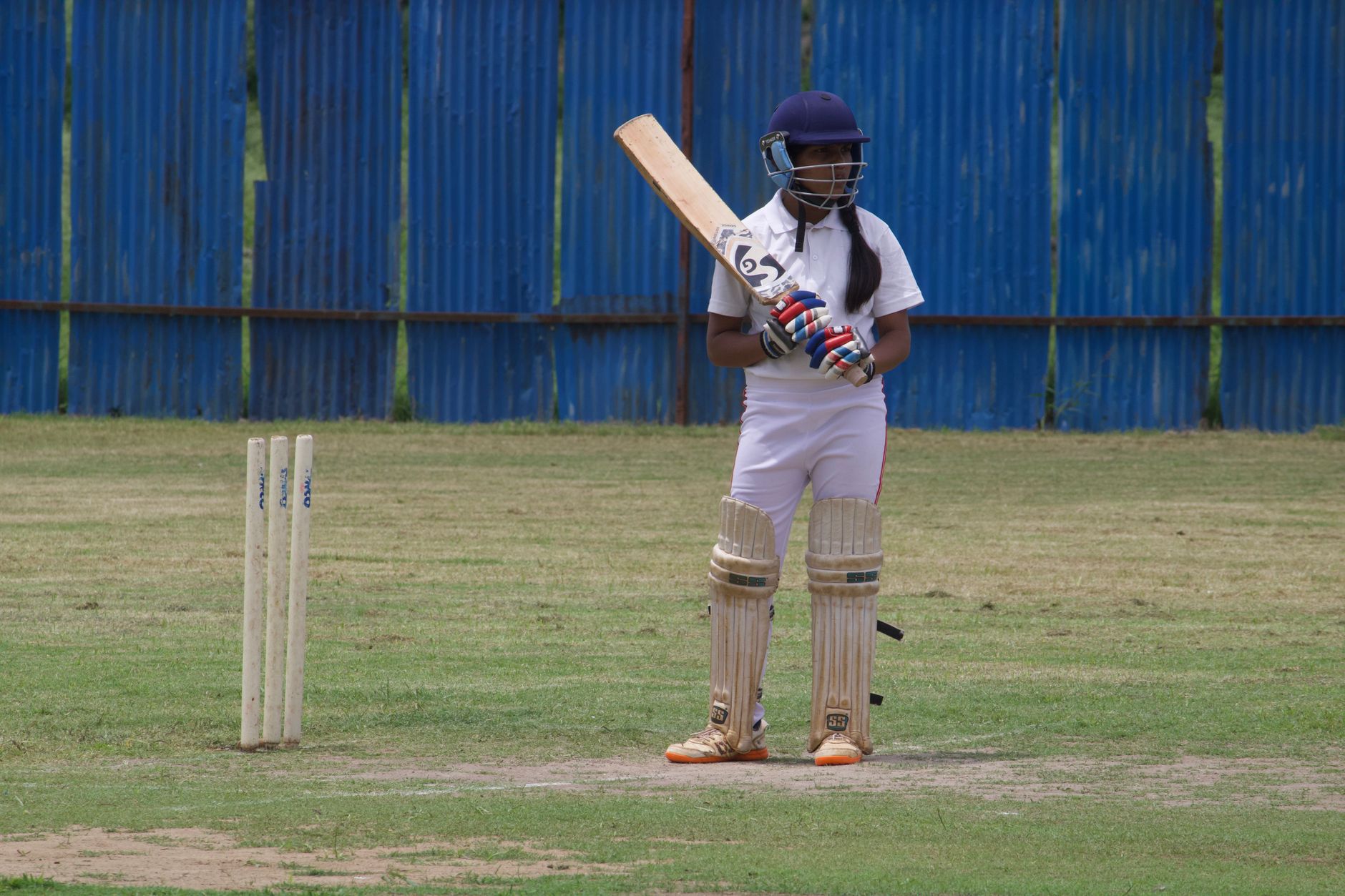
Photo: Sandeep Singh / Pexels
134 Million Watched India's Women's T20 World Cup Opener
India have started their Women's T20 World Cup campaign exactly the way a title contender is supposed to, and the numbers around the opening week have been almost as loud as the cricket itself. A 64-run win over Pakistan at Edgbaston on June 14 did more than collect two points. It pulled in a television and streaming audience that women's cricket has never seen before, and it announced that this Indian side intends to chase the one major trophy still missing from its cabinet.
The team plays again today, June 17, against tournament debutants the Netherlands at Headingley in Leeds. Before that game gets under way, it is worth sitting with just how big the first match became.
The opener that rewrote the viewership charts
The India–Pakistan fixture is always the heavyweight bout of any World Cup, and the women's version has now matched the men's for sheer pull. According to figures shared after the weekend, the match reached 134 million viewers on JioHotstar and racked up roughly 1.1 billion minutes of live watch time.
That makes it the most-watched league-stage game in the history of women's cricket across any format. Across the wider tournament, the platform reported around 215 million viewers and 1.3 billion minutes in the opening days. For a sport that spent years fighting for a slot on the schedule, those are statement numbers, and they explain why "women world cup" has been sitting near the top of cricket conversations in India this week.
Deepti Sharma turned the contest into history
The cricket gave the audience plenty to stay for. Batting first, India posted 170, anchored by a polished 68 from Smriti Mandhana at the top. A total like that against Pakistan is usually safe. It became untouchable once Deepti Sharma got to work.
The off-spinning all-rounder finished with 5 for 10, one of the most economical five-wicket hauls you will see in a World Cup. She struck three times in the closing overs, and the dismissal of Pakistan captain Fatima Sana set off a collapse that left the chase in ruins. Pakistan were bowled out for 106.
The spell carried a personal milestone too. Deepti is now the leading wicket-taker in the history of women's T20 internationals, moving past the previous mark to sit on 166 scalps. She has been India's most dependable cricketer in this format for years, the kind who contributes with bat and ball without ever demanding the spotlight, and the record felt overdue.
Why this campaign carries extra weight
There is a backdrop that makes 2026 different. In late 2025, India won their first-ever 50-over World Cup, a breakthrough that the team and its fans had waited decades for. That victory changed the conversation around this group from "can they get over the line" to "can they do it again."
A Women's T20 World Cup, though, has never come home. India's best run in this format was the 2020 final in Melbourne, where Australia were too strong. So the prize on offer here is specific and unfinished. Win it, and this generation holds both global trophies at once.
The squad reflects that ambition. Harmanpreet Kaur leads, with Mandhana as her deputy, and the batting carries names like Shafali Verma, Jemimah Rodrigues and wicketkeeper Richa Ghosh. The bowling leans on Deepti, pace from Renuka Singh Thakur and Arundhati Reddy, and spin options in Radha Yadav and Shree Charani. It is a deep, experienced unit that has finally learned how to close out big games.
A bigger, more crowded tournament
The field itself has grown. This edition is the most competitive women's T20 World Cup yet, spread over 24 days, 33 matches and seven English venues, with the final at Lord's on July 5. Hosts England opened the event by thrashing Sri Lanka, and the early matches have shown that the gap between the traditional powers and the rest is closing.
That expansion is the whole point. Giving more nations a stage is how the sport keeps producing the kind of upset and the kind of debut crowd that builds the next generation of fans. The Netherlands, playing their first World Cup, are part of that story even if results have been hard to come by so far.
What today's match against the Netherlands looks like
On paper, this is a mismatch. The two teams have never met in a women's T20 international, and the Dutch arrive on the back of a loss to Bangladesh in their tournament opener. India are heavy favourites and will expect to make it two wins from two.
The more interesting questions are internal:
- Net run rate. In a tightly bunched group, the margin of victory can decide who advances. India will want to win big, not just win.
- Time in the middle. A comfortable game is a chance to get the middle order, including Rodrigues and Ghosh, some rhythm before the harder fixtures arrive.
- Managing the load. With matches stacked closely together, the team will think about resting or rotating bowlers while the result is in hand.
For the Netherlands, the goal is simpler. A debut World Cup is about competing for longer, denying India easy boundaries, and building belief for the games they can realistically target.
The fans, the timing and what comes next
Part of why this World Cup is landing so well at home is timing. It follows that 2025 title, it carries an India–Pakistan blockbuster in the first week, and it is reaching screens at a moment when Indian audiences have genuinely bought into the women's game rather than treating it as a curiosity. The viewership figures are not a fluke. They are the payoff of years of slow growth.
The road ahead gets steeper. Australia remain the team to beat, England have home advantage, and South Africa are a rising threat. India's group still has tougher tests than the Netherlands waiting. But a side that bats deep, bowls smart and now owns the record for the most-watched match in the sport's history has every reason to believe.
Beat the Dutch today, and the conversation only gets louder. The trophy India have never lifted is finally within reach, and an enormous home audience is watching every ball.


