Photo: Avinash reddy Kosna / Pexels
FASTag Annual Pass at ₹3,075: Run the Numbers Before You Pay
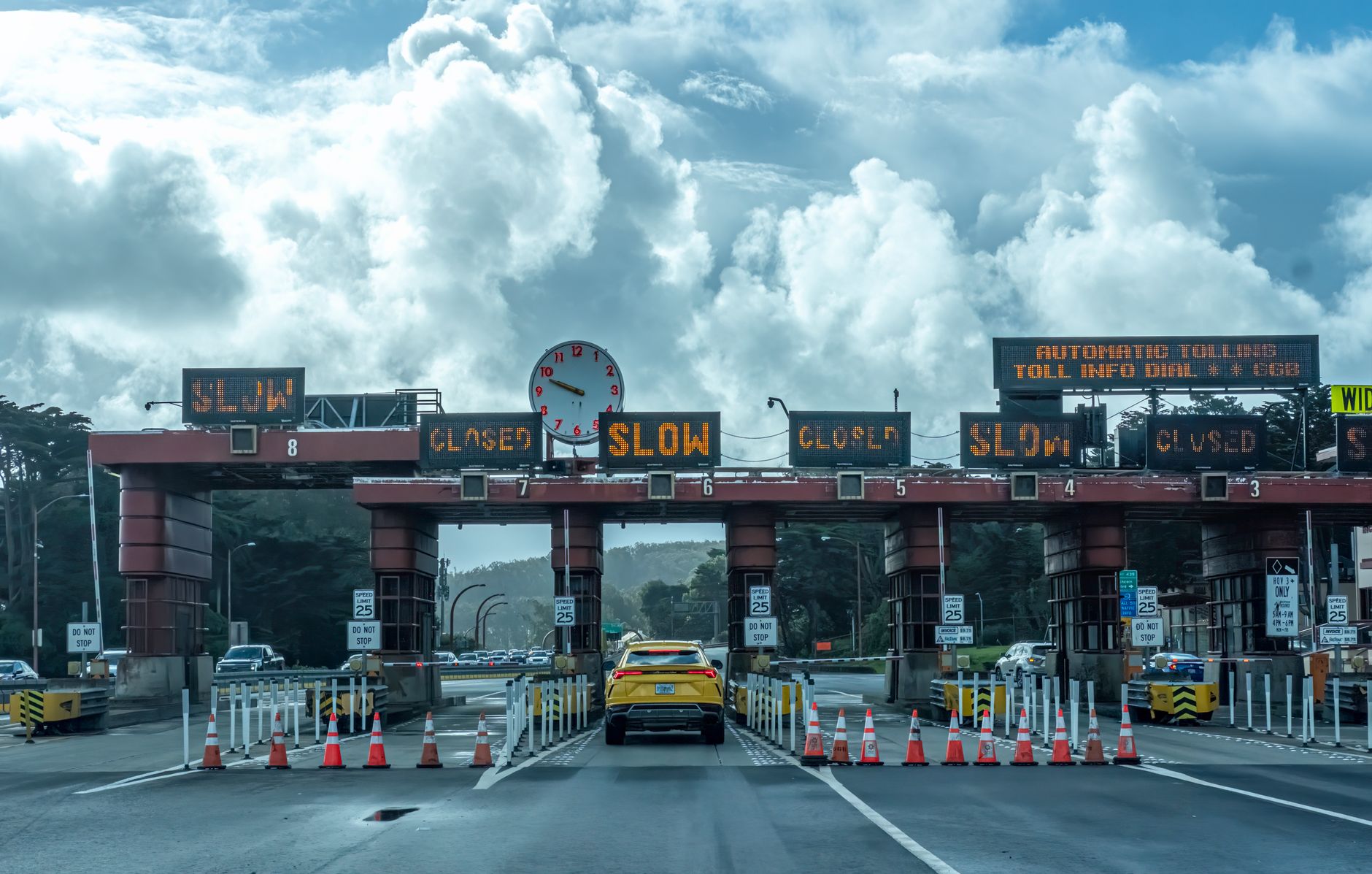
If you drive a private car and the words "toll plaza" make you wince, the government has a pitch for you: pay once and stop topping up for every gantry. The FASTag annual pass launched in August 2025 and has since had its price nudged up. The real question for 2026 isn't whether it exists — it's whether the maths works for the way you actually drive.
Here is the honest version, with every figure checked against the current NHAI rules, plus the exact steps to buy it and the traps that quietly make it useless for a lot of people.
What the pass actually is
The annual pass is not a new tag or a new device. It is a privilege layered onto the FASTag already stuck to your windshield. Activate it, and your car rolls through eligible toll plazas without the usual per-trip deduction.
The coverage limit is the part people skim past. The pass is valid for one year or 200 trips, whichever comes first. Hit 200 trips in eight months and it switches off; cross only 40 plazas in a year and you forfeit the rest. After either limit is reached, your tag quietly reverts to a normal pay-per-use FASTag.
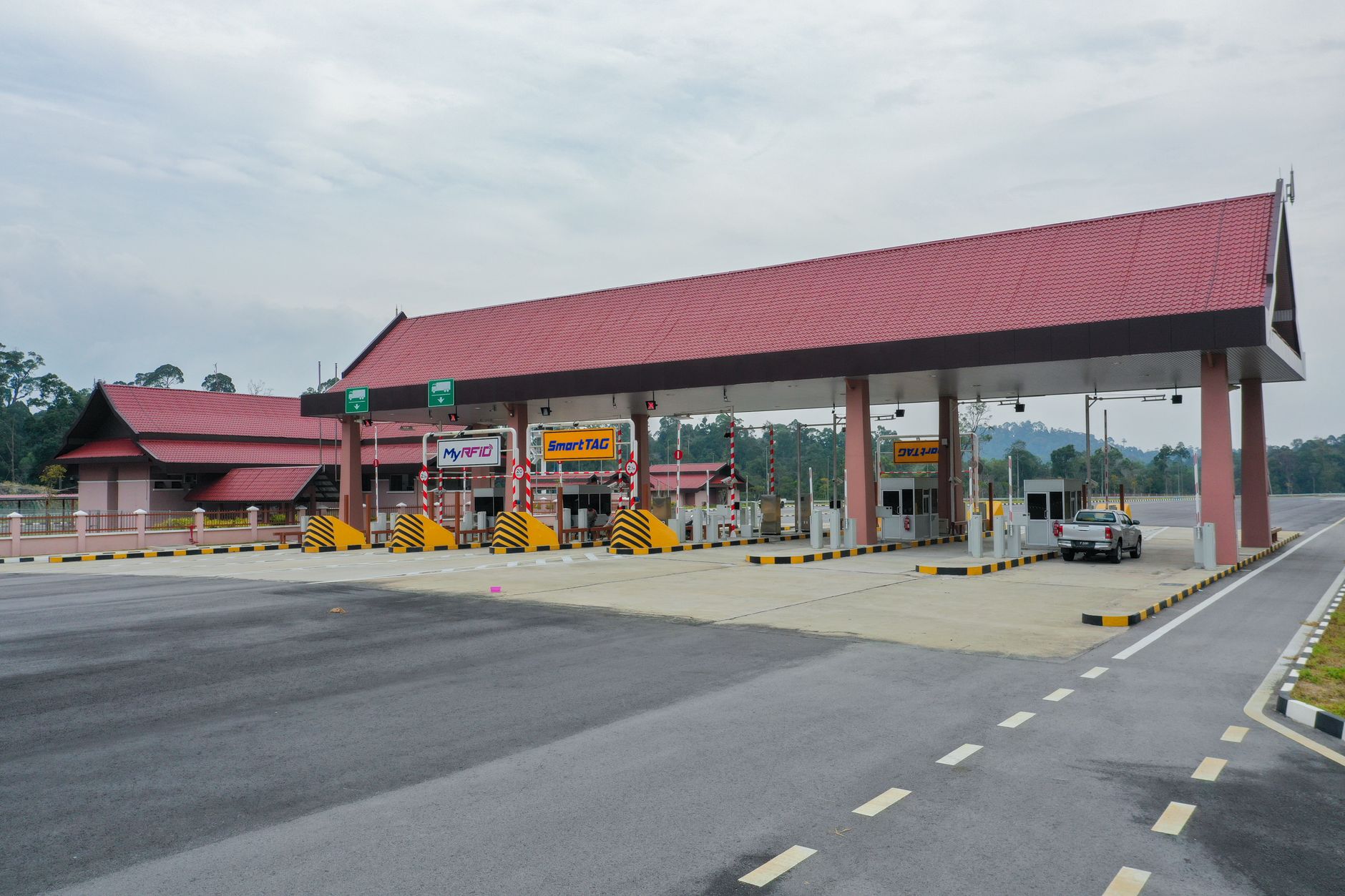
It applies at roughly 1,150 fee plazas on national highways and national expressways. That number matters, and we'll come back to why.
The price in 2026, and what changed
At launch on 15 August 2025, the pass cost a flat ₹3,000. From 1 April 2026, for the financial year 2026-27, NHAI revised it to ₹3,075. A modest ₹75 bump, but worth knowing so you aren't surprised at checkout.
There is no monthly or quarterly option. You pay the full year upfront, and the clock starts from the date of activation, not from when you first use a toll road. If you buy it and then don't drive for two months, those two months are gone.
The break-even maths, plainly
This is the whole decision in one line. Divide ₹3,075 by 200 trips and you get about ₹15.40 per crossing if you use every single trip. That is your worst-case cost per plaza.
Most national-highway tolls for a car sit well above that — commonly ₹50 to ₹150 per plaza depending on the stretch. So the pass can genuinely pay off. But two conditions have to hold:
- You cross NHAI plazas often. The saving is real only if you actually rack up trips. A handful of highway runs a year won't recover ₹3,075.
- Your tolls are on national highways. If most of your driving is on state-run expressways or city tolls, the pass simply doesn't apply and your balance gets debited as before.
A quick gut check: add up what you spent on NH tolls last year. If it comfortably crossed ₹3,075 and most of those plazas were NHAI-run, the pass wins. If you're squinting to make it add up, it probably isn't for you.
How a "trip" is counted
The 200-trip cap trips people up because they assume one journey equals one trip. It depends on the plaza type.
- At a single-point fee plaza, every crossing is one trip. Drive to your destination and back, and you've used two.
- At a closed tolling stretch — where you tap in at entry and out at exit — one entry-and-exit pair counts as a single trip.
So a daily commuter who passes one plaza each way burns through trips fast: two a day means the 200-trip ceiling arrives in about 100 working days, often well before the year is up. For that user the pass still saves money, but the "annual" framing is misleading — it's really whichever limit you hit first.
Who can get it, and who can't
The pass is strictly for private, non-commercial vehicles — cars, jeeps and vans — verified through the VAHAN database. If your vehicle is registered as commercial, you're out, regardless of how it's used in practice.
A few more conditions:
- Your FASTag must already be active, correctly affixed to the windshield, and linked to your vehicle registration number.
- The tag must not be blacklisted or low on the basics; verification fails otherwise.
- One pass is tied to one vehicle and one tag. You can't share it across cars.
State highways, state expressways and toll roads run by local bodies are not covered. This is the single biggest reason the pass disappoints people — they assume "toll pass" means all tolls, when it means NHAI tolls only.
How to buy it, step by step
The whole process is online and takes minutes. There is no counter at the plaza for this.
- Download the Rajmargyatra app (or use the NHAI website).
- Log in and enter your FASTag ID and vehicle details so the system can verify an active tag linked to your registration number.
- Let it run the VAHAN check to confirm the vehicle is a private car, jeep or van.
- Pay ₹3,075 by UPI, debit or credit card, or net banking.
- Wait for activation, which happens within about two hours of successful payment and verification.
Keep the confirmation handy. If activation doesn't come through in a few hours, it usually points to a tag issue — blacklisting, a registration mismatch, or a vehicle class that doesn't qualify.
So, should you buy it?
Think of the pass as a bet on your own driving, not a discount everyone should grab. It rewards a specific profile: a private-car owner who runs frequently on national highways and would otherwise pay well over ₹3,075 a year in NHAI tolls.
If that's you — a regular intercity commuter, a weekend highway traveller, anyone whose route is studded with NHAI plazas — the ₹15.40-per-crossing ceiling is hard to beat, and the convenience of not watching your balance is a bonus. Buy it.
If your tolls are mostly on state roads, if you drive a commercial vehicle, or if your highway trips are occasional, skip it. You'd be pre-paying for usage you won't reach. And if you're genuinely unsure, the safest move is to track one year of toll spending first, then decide at renewal. The pass will still be there, and you'll be buying it on evidence instead of optimism.
One last note on accuracy: toll policy in India changes often, and figures like the price and plaza count are revised periodically. The numbers here reflect the FY 2026-27 rules. Before you pay, it's worth a quick check on the Rajmargyatra app to confirm nothing has shifted since.