Photo: Avinash reddy Kosna / Pexels
FASTag Annual Pass: ₹3,075 for 200 Highway Trips, Decoded
If you drive a car on India's national highways even a few times a month, the single most useful number to know in 2026 is ₹3,075. That is the price of the FASTag Annual Pass — a prepaid toll plan that lets a private car cross NHAI plazas for a full year, or up to 200 trips, without a per-crossing deduction. It is not a new tag or a new device; it rides on the FASTag already stuck to your windshield. But the fine print decides whether it saves you real money or quietly wastes ₹3,000.
The scheme launched on 15 August 2025 at a flat ₹3,000 and was nudged up to ₹3,075 from 1 April 2026. The pitch from the Ministry of Road Transport is simple: cut the cash-like bleed at toll plazas, reduce friction, and end the long-running complaint that families on highway road trips pay toll twice in a single day. Here is exactly how it works, who it suits, and the traps that catch most buyers.
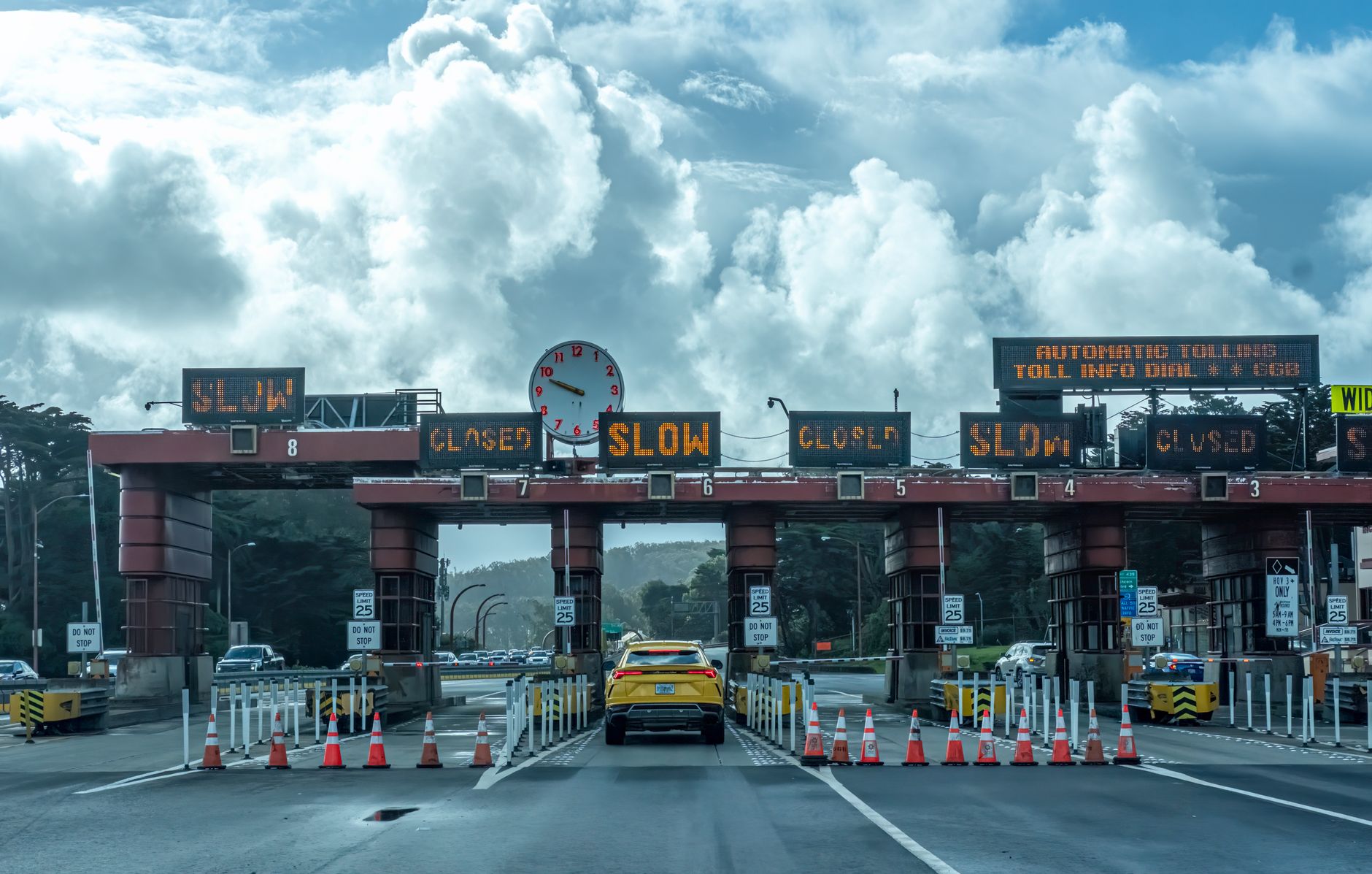
What the FASTag Annual Pass actually is
Think of it as a season ticket bolted onto your FASTag. Once activated, eligible toll crossings stop deducting money from your FASTag wallet and instead draw down from your pool of 200 trips. The pass is valid for one year or 200 trips, whichever comes first — so if you exhaust 200 crossings in eight months, it lapses; if you only do 60 in a year, the rest simply expire.
Crucially, the pass is tied to one vehicle registration number and one FASTag. You cannot share it across cars, and the tag must be properly affixed to the windshield — a tag carried loose in the glovebox is a known reason for charge disputes. Your regular FASTag balance still matters for any road the pass does not cover.

Who is eligible — and who is not
The eligibility rule is narrow on purpose. The Annual Pass is only for private, non-commercial vehicles — cars, jeeps and vans — whose status is verifiable in the government's VAHAN database. Commercial vehicles, taxis with commercial plates, trucks and buses are all excluded.
That single filter trips up many would-be buyers:
- If your car is registered as a commercial vehicle, the system will reject the pass.
- The vehicle class on VAHAN must match; a mismatch between your FASTag's tagged class and the actual registration can block activation.
- One pass, one vehicle. There is no family or fleet version.
The big catch: it only covers NHAI roads
This is where most of the disappointment lives. The FASTag Annual Pass is valid only at toll plazas on highways and expressways operated by the National Highways Authority of India (NHAI). That includes flagship corridors like the Delhi-Mumbai Expressway.
It does not cover roads run by state governments or private concessionaires. So several of the busiest tolled stretches in North India are out: the Yamuna Expressway, the Meerut Expressway section managed outside NHAI, the Agra-Lucknow Expressway and the Purvanchal Expressway, among others. If your daily or weekend route runs mostly on those, the pass will keep sitting idle while you still pay full toll.
Before buying, the smart move is to map your actual driving and check whether the plazas you hit are NHAI-operated. The Rajmargyatra app lists covered plazas; a route that mixes NHAI and state roads will only get partial benefit.
How trips are counted
The word "trip" is doing a lot of work, and how it is counted changes the value math completely.
- Point-based (open) plazas: Each time you cross the plaza, that is one trip. A there-and-back journey through the same plaza therefore burns two trips. This is the old single-point toll booth model.
- Closed, distance-based stretches: On expressways where you take a ticket at entry and pay at exit, the entire entry-to-exit run counts as just one trip, no matter how many internal gantries you pass.
That second rule is the hidden bonus. A long run on a closed expressway — which might otherwise cost a few hundred rupees in distance-based toll — is consumed as a single trip from your 200. For long-distance highway drivers, this is where the pass quietly outperforms its sticker price.
Does the math actually work for you?
Reduce it to one figure. At ₹3,075 for 200 trips, the pass costs roughly ₹15.4 per trip. If your typical NHAI plaza crossing charges more than that — and most do, with many single crossings running ₹60 to ₹150 or higher — every crossing under the pass is a saving.
So the break-even is less about price and more about frequency and route:
- Clear winner: You regularly drive NHAI highways — a weekly intercity commute, frequent airport runs on a national highway, or repeated long expressway trips. Even 40-50 crossings a year at ₹60+ each comfortably beats ₹3,075.
- Probably worth it: You do two or three highway road trips a year plus occasional NHAI travel, and most of your route is NHAI-operated.
- Skip it: You rarely use national highways, or your usual tolled roads are state expressways the pass does not cover. Normal pay-as-you-go FASTag will cost you less.
A quick reality check: 200 trips sounds generous, but a daily commuter crossing one point-based plaza both ways uses four trips a day. At that rate the cap is hit in roughly 50 working days — meaning heavy daily users may exhaust the pass well before the year ends, which is itself a sign the pass is saving them serious money.
How to buy and activate it
Activation is deliberately light-touch and routed through official government channels — avoid third-party links promising instant passes.
- Open the Rajmargyatra app (the official MoRTH/NHAI app) or use the NHAI/IHMCL portal.
- Enter your vehicle registration number and the FASTag linked to it; the system validates eligibility against VAHAN.
- Pay the ₹3,075 fee online.
- The pass is typically activated within about two hours of purchase and renews on the same FASTag.
Keep your FASTag KYC updated and your tag firmly fixed to the windshield, since the benefit is read at the plaza scanner. If a covered crossing is wrongly charged to your wallet, the app is the place to raise it.
The bottom line
The FASTag Annual Pass is not a universal money-saver — it is a sharp tool for a specific driver. If your kilometres pile up on NHAI highways and expressways, ₹3,075 for a year or 200 trips is one of the better value buys in Indian motoring right now, especially with closed expressway runs counting as a single trip. If your roads are mostly state-run expressways, or you barely leave the city, it is dead money. Map your real routes against NHAI coverage first, run the ₹15-per-trip test, and only then tap pay.