Photo: Caio / Pexels
FIFA World Cup 2026: Why Cricket-Mad India Is Glued to Football
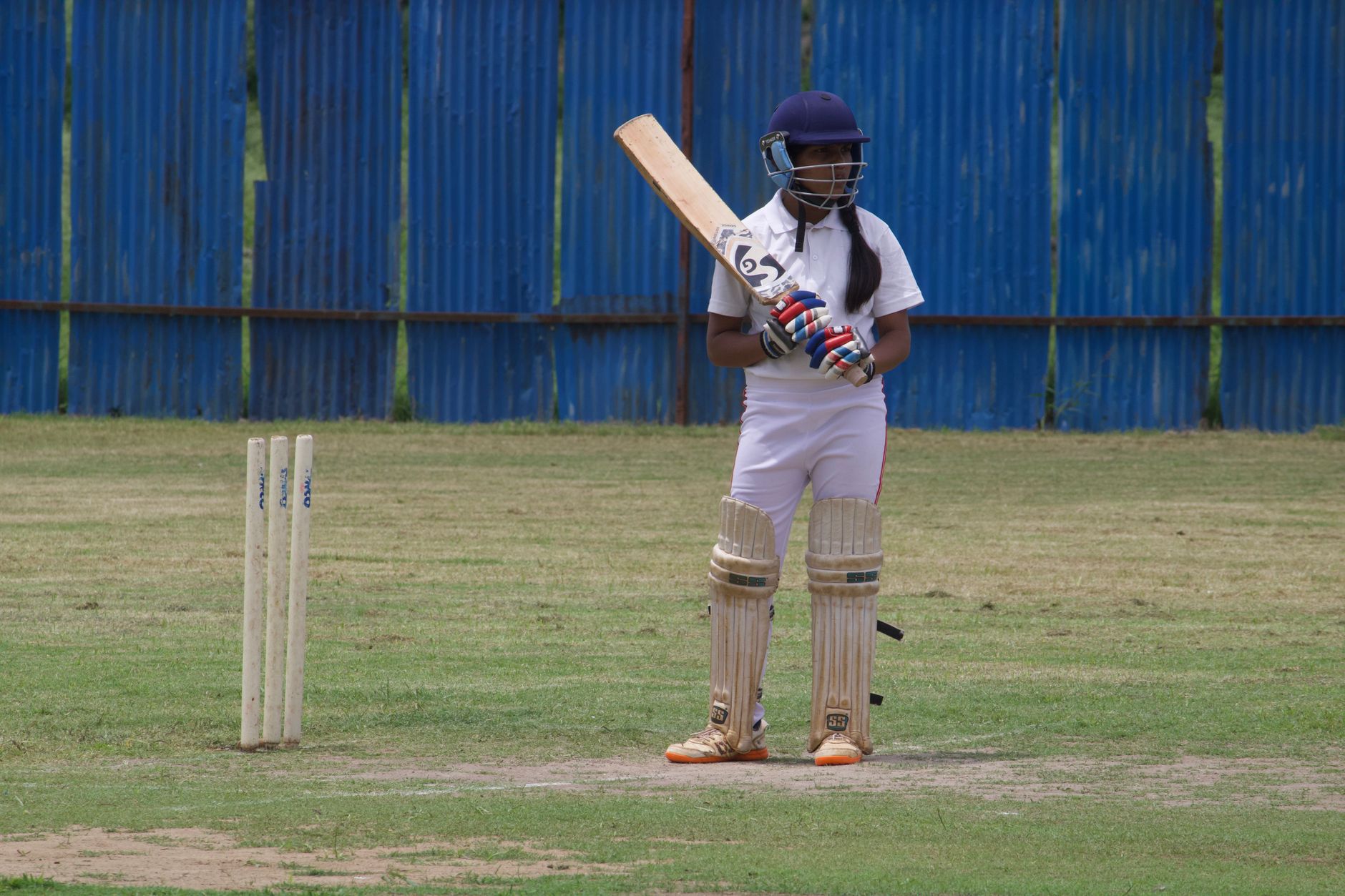
Two days from now, a football tournament that India is not even in will quietly take over a chunk of the country's late-night screen time. "FIFA World Cup games" is climbing search trends across India right now — and tellingly, it's surfacing inside cricket-dominated feeds, not just football corners. The 2026 edition kicks off on June 11, and a cricket-first nation is once again proving it will happily stay up past midnight for the world's biggest sporting event.
That collision — cricket country, football fever — is the real story here. India hasn't qualified. There is no home team to rally behind, no tricolour on the pitch. Yet the appetite is unmistakable, and the numbers behind it are worth understanding before the first whistle.
A bigger, stranger World Cup than any before
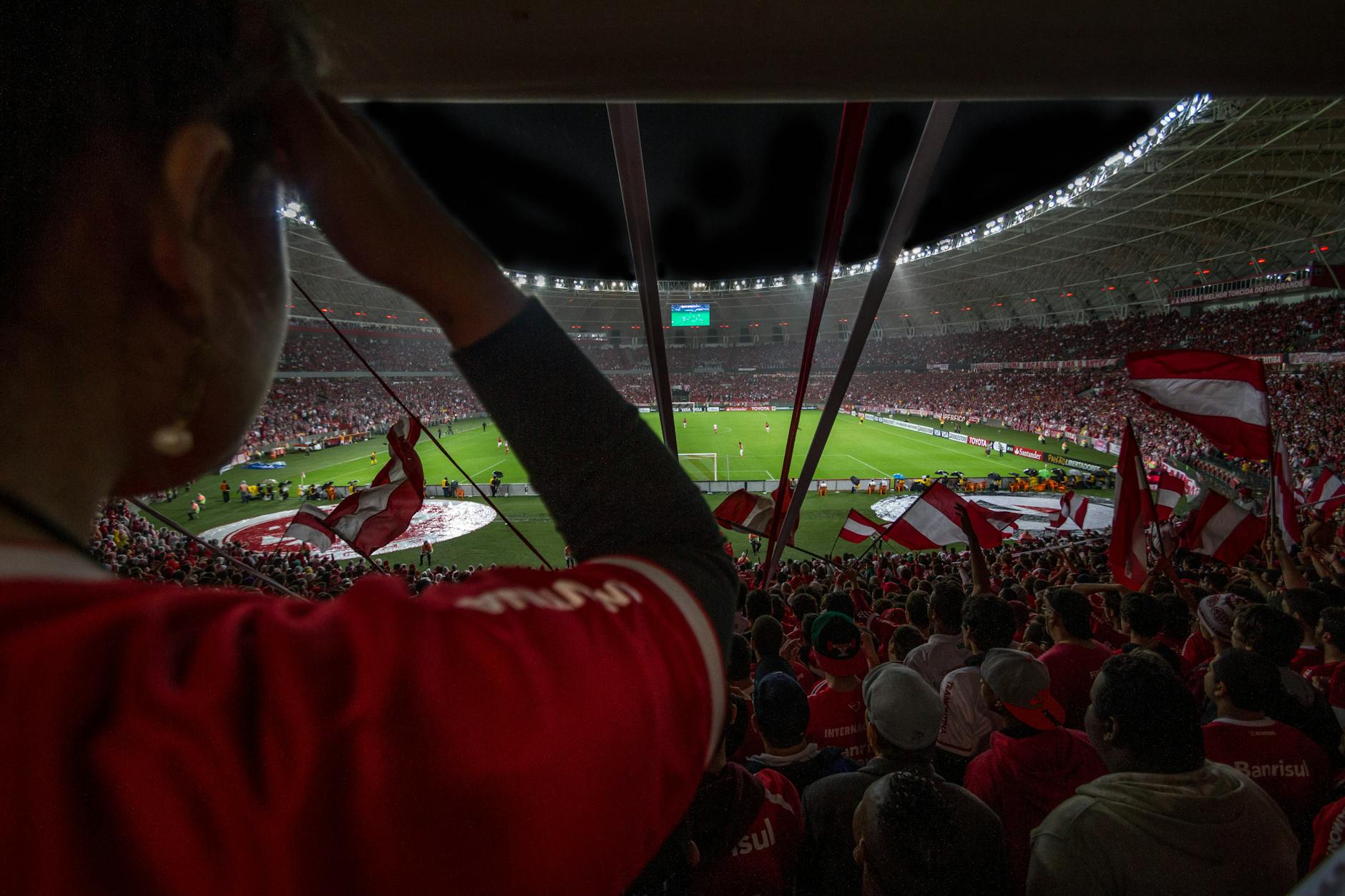
This is not the World Cup older fans grew up with. For the first time, 48 teams will contest 104 matches, up from 32 teams and 64 games. It is also the first edition co-hosted by three countries — the United States, Canada and Mexico — sprawling across a continent and a fistful of time zones.
The whole thing runs from June 11 to July 19, 2026. The group stage fills the back half of June, knockouts take over in early July, and the final lands on July 19 at MetLife Stadium in East Rutherford, New Jersey, just outside New York. That is the destination every one of these 48 teams is chasing.
The expansion has its critics — more teams means more lopsided group games — but it also means more nations, more debutants, and more reasons for casual viewers to find a side to adopt. For India, with no horse in the race, that flexibility matters.
The opener, and why the first night sets the tone
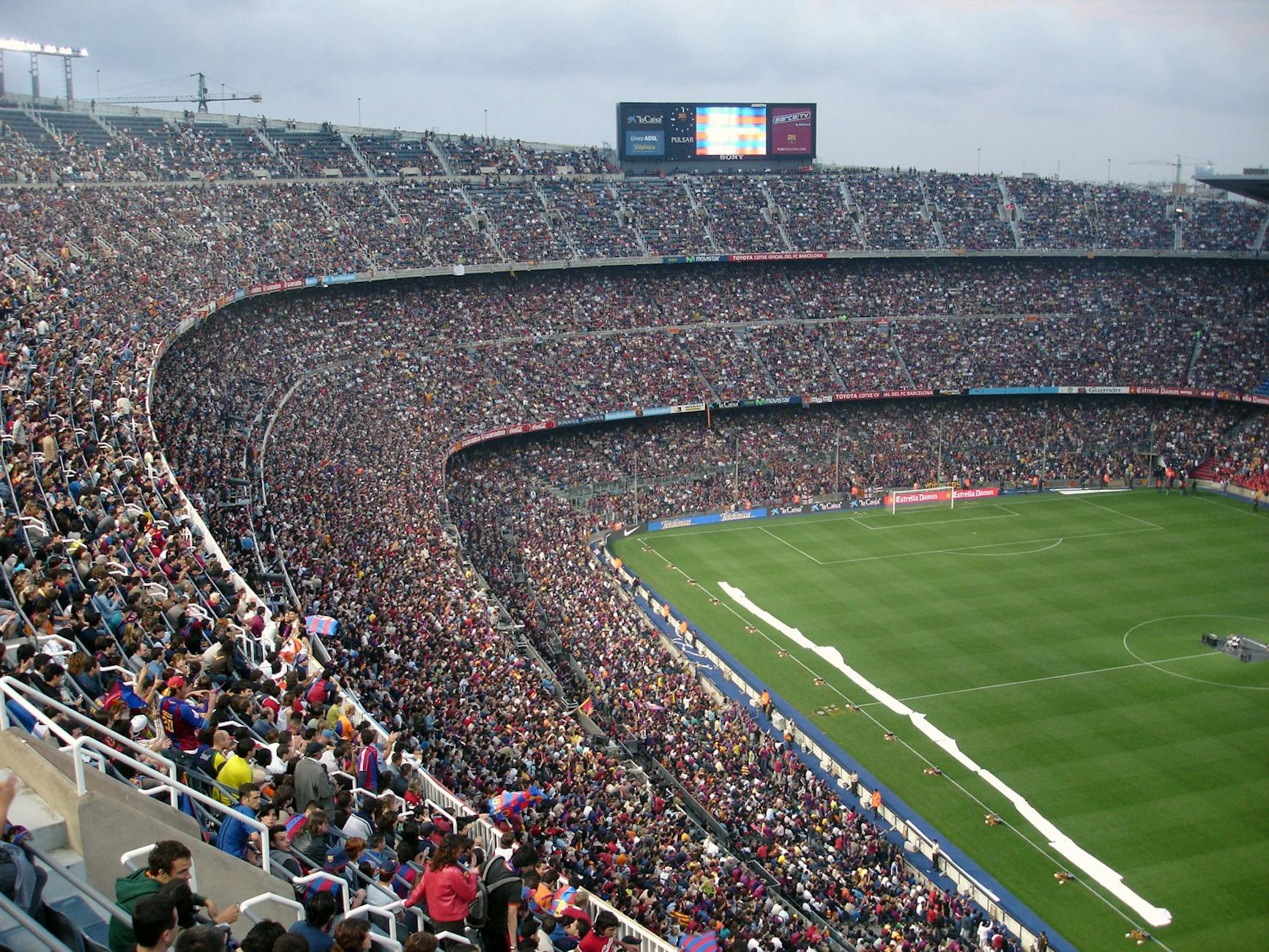
Hosts get the spotlight, and Mexico takes it. The tournament opens with Mexico vs South Africa at the iconic Estadio Azteca in Mexico City on June 11. For Indian viewers, that means a kickoff around 12:30 AM IST on June 12 — a school-night start that tells you everything about how this World Cup will be consumed here.
The Azteca is football folklore: it has hosted two previous World Cup finals and the stage where some of the sport's most famous moments unfolded. Opening the 2026 edition there is a deliberate nod to history before the tournament's centre of gravity shifts north to the United States.
The opener rarely produces a classic — first games are cagey, nervy affairs. But it functions as a national alarm clock. Once the first ball rolls, the four-week rhythm of late nights, group-stage permutations and water-cooler debate is locked in.
Why cricket fans are searching for football
The instinct is to treat India as a cricket monolith. The data says otherwise. Recent Nielsen research pegs football as the second-most followed sport among Indian adults, behind only cricket — and the gap has been narrowing, especially among younger, urban, English-speaking viewers who grew up on European club football.
That is the crowd driving the search spike. A few forces are stacking up at once:
- Club loyalty turned national. Indians who follow the Premier League, La Liga or the Champions League already know players like Mbappé, Bellingham, Vinícius and Haaland. The World Cup simply moves their favourites onto a bigger stage.
- A possible last dance. Reports and the players' own ages suggest this could be the final World Cup for both Lionel Messi and Cristiano Ronaldo. Fans who want to see them one more time treat 2026 as unmissable.
- The streaming generation. Highlights, reels and clips spread overnight on Indian social feeds, pulling in viewers who never watched a full 90 minutes but cannot resist the noise.
There is also a simpler reason: India's own cricket calendar has a relative lull in this window, leaving room in the sports conversation that football is rushing to fill.
Where and how to watch in India
The broadcast picture changed shape this cycle. Zee holds the India rights and is showing the tournament on its newly launched Unite8 Sports channels, with every single match also streaming on Zee5.
Here is the practical breakdown:
- Television. Hindi commentary runs on Unite8 Sports 1 (and its HD feed); English coverage is on Unite8 Sports 2 (and HD). The channels carry modest monthly prices in the single-digit-to-low-double-digit rupee range, with taxes added by your cable or DTH provider.
- Streaming. Zee5 carries all 104 games on phone, laptop and smart TV — but it sits behind a subscription. There is no free-to-air option being advertised this time, so casual viewers will need to pay something to watch live.
- Timings. This is the catch. With matches in North American afternoons and evenings, the bulk of kickoffs fall after 11 PM or before 7 AM IST. By most counts, close to 70 of the 104 matches sit in those overnight windows. Marquee fixtures will be worth the lost sleep; group-stage filler, less so.
A sensible plan: pick your teams early, mark the knockout dates, and decide which late nights you can actually afford.
The fixtures Indians will actually stay up for
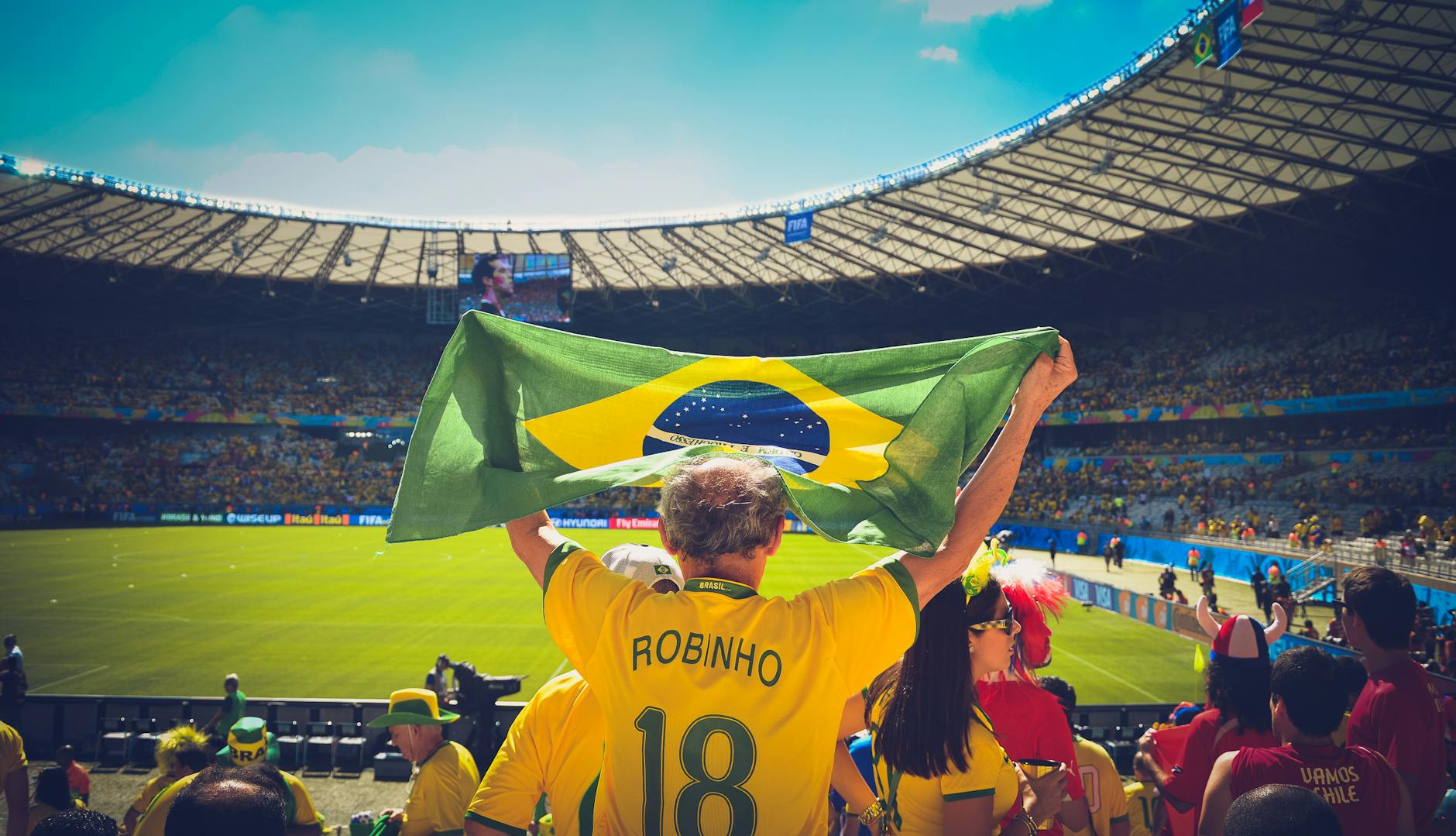
Not every game demands a midnight alarm. The ones that tend to dominate Indian feeds are the heavyweight group meetings and, inevitably, anything involving Messi's Argentina or a Ronaldo-led Portugal. Brazil, France, England, Spain and Germany carry the deepest followings here, and any clash between two of them will trend instantly.
The knockout phase from early July is where casual interest hardens into appointment viewing. Round-of-16 upsets, quarter-final drama and the semi-finals are where this tournament will produce the clips that ricochet around Indian WhatsApp groups the next morning.
Because results are not yet on the board — the tournament hasn't kicked off — the smart move for now is to treat everything as a preview. Lock in the dates, not the outcomes.
What it says about India's sporting future
The deeper signal in this search spike is generational. India remains decades away from a men's team that can seriously contest a World Cup, and that conversation is its own long, frustrating saga. But the viewership tells a story the standings don't: a growing slice of young India consumes elite football as naturally as it does cricket.
Broadcasters have noticed. The scramble for rights, the launch of dedicated sports channels, the bet on streaming — none of that happens without a paying audience to chase. Every record-setting World Cup viewership figure out of India strengthens the case for more football investment, better leagues and, eventually, a pathway that might put an Indian side on this stage for real.
For now, the country will do what it does best with the world's biggest tournaments: lose some sleep, pick some favourites, and argue about them the next morning. India isn't playing in the 2026 World Cup. It's watching anyway — and that, increasingly, is the point.