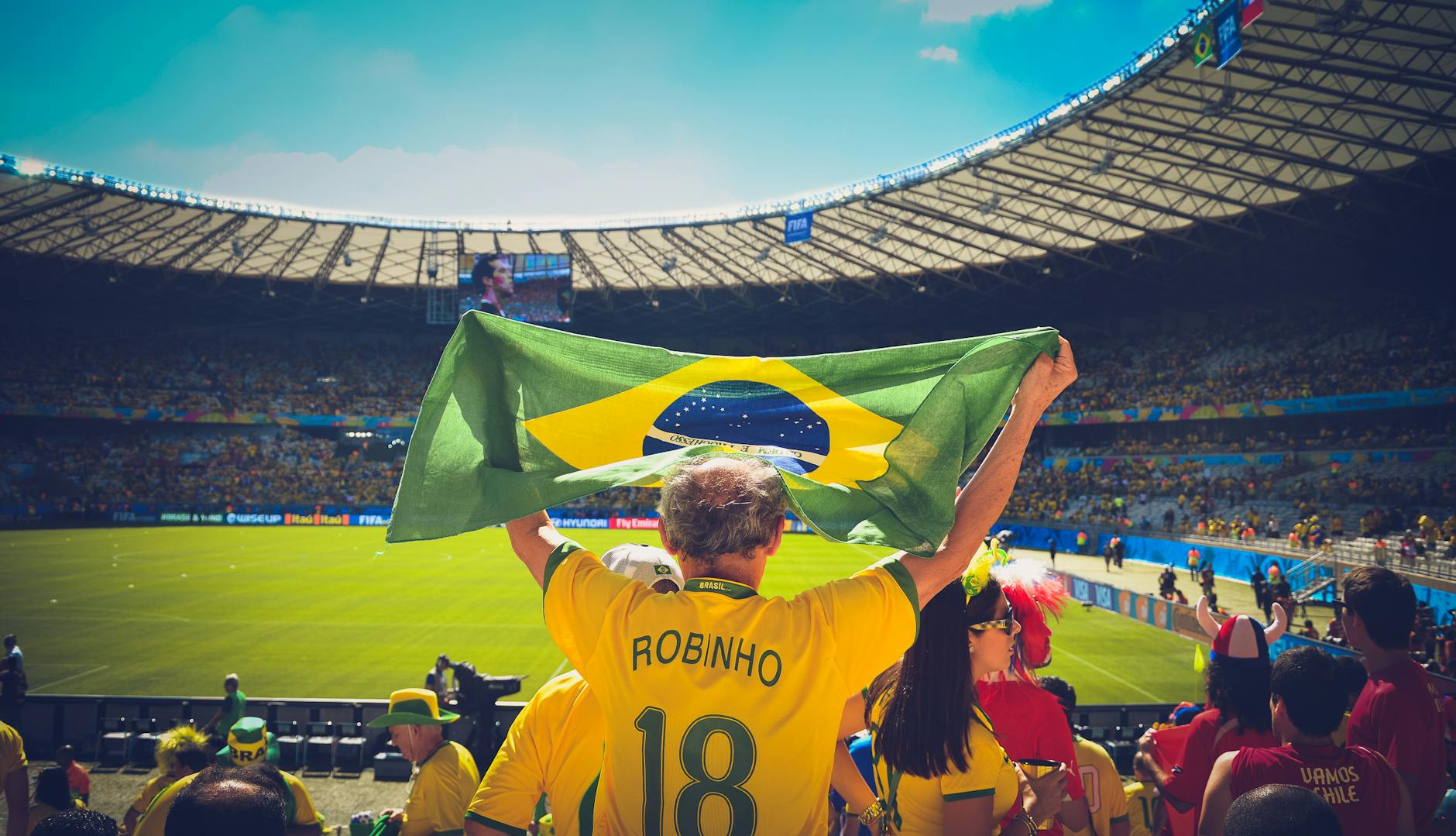
Photo: Caio / Pexels
FIFA World Cup 2026: Every Kickoff in IST and How to Follow It
The biggest World Cup ever is already underway, and for fans in India the hardest part isn't picking a team to follow. It's staying awake. The FIFA World Cup 2026, shared by the United States, Canada and Mexico, kicked off on 11 June with hosts Mexico beating South Africa 2-0 at the rebuilt Estadio Azteca. The tournament runs to 19 July, and almost every match falls in India's small hours. Here is how the timings actually work, who is showing it, and how to keep up without wrecking your sleep schedule.

A bigger, stranger tournament than you remember
This is the first World Cup with 48 teams, up from 32. They are split into 12 groups of four, and across the month there are 104 matches rather than the old 64. That is a lot more football, spread across 16 cities and three countries.
The qualification math has changed too, and it pays to understand it early. The top two from every group advance, which is familiar. What is new is that the eight best third-placed teams also go through, creating a 32-team knockout round for the first time. From that round of 32 it becomes straight elimination: round of 16, quarter-finals, semi-finals, then the final at MetLife Stadium in New York/New Jersey.
One practical effect of the bigger field is that a single point can carry a third-placed side into the knockouts. Early draws matter less than they used to, so don't write off a team that stumbles in its opener.
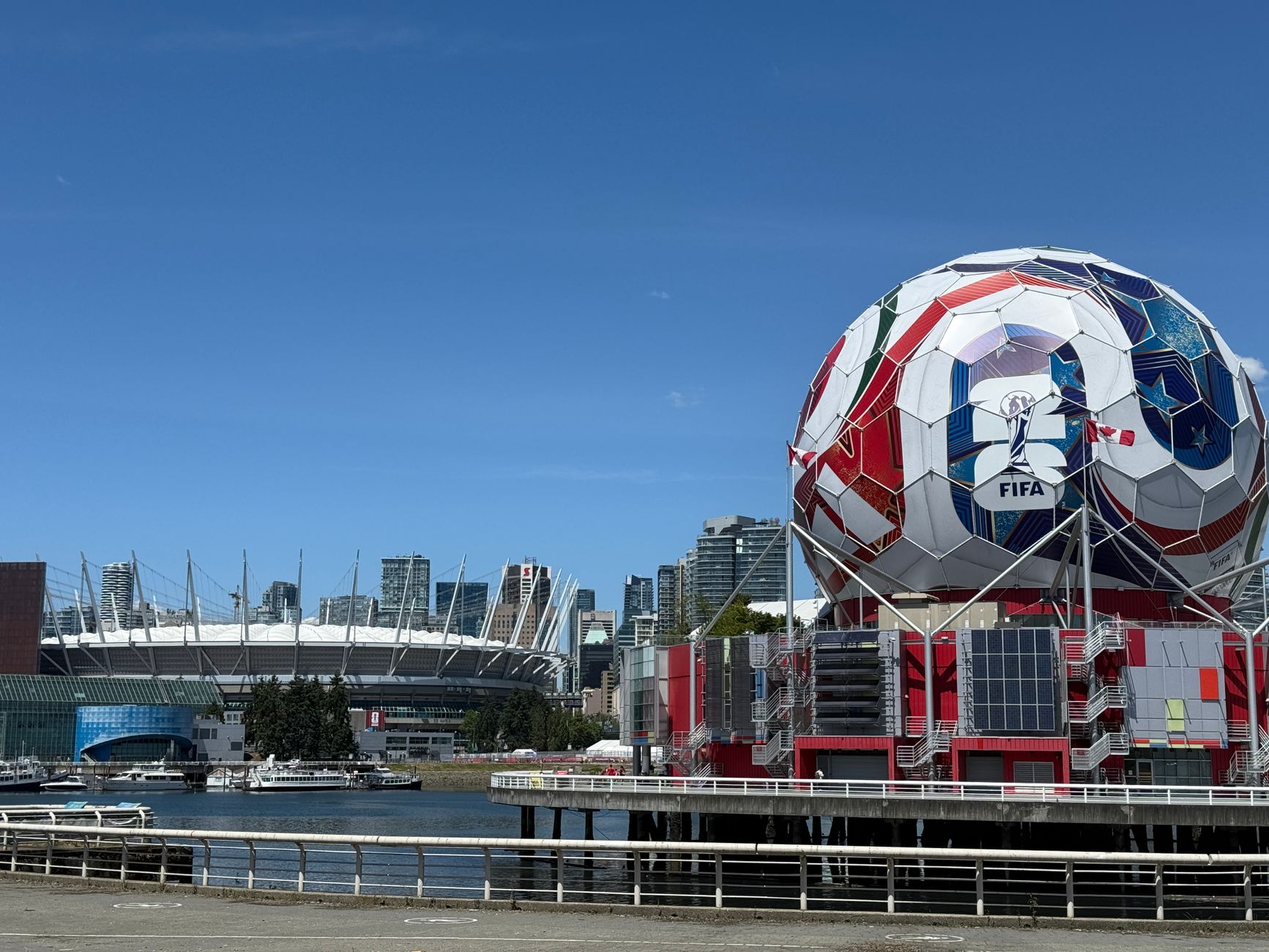
The IST timings, simplified
Because the host cities sit roughly 9.5 to 12.5 hours behind India, the schedule is brutal for working fans. Rather than memorise 104 individual times, it helps to know that kickoffs cluster into four IST slots:
- 9:30 PM IST — afternoon games on the US East Coast, the most watchable slot for India.
- 12:30 AM IST — early-evening Eastern kickoffs; doable on a weekend.
- 3:30 AM IST — prime-time US matches, the deep-night shift.
- 6:30 AM IST — West Coast evening games, best caught as you wake up.
By one count, roughly 69 of the 104 matches start before 7 AM or after 11 PM IST, so nearly two-thirds of the tournament happens while most of India is asleep or commuting. The opener landed at 12:30 AM IST on 12 June, and the final follows the same friendly slot, kicking off at 12:30 AM IST on 20 July.
If you only chase the marquee fixtures, target the 9:30 PM and 12:30 AM windows. Those are the East Coast day games, and they tend to feature the heavyweight names in the better-attended stadiums.
Where to watch in India
The broadcast picture was settled unusually late this time. Zee Entertainment signed its India deal with FIFA only days before the opening match, after a long stretch where nobody knew where the tournament would air. Zee now holds exclusive Indian rights as part of a longer agreement.
For viewers, that breaks down simply:
- ZEE5 streams all 104 matches live on phone, laptop and smart TV.
- A new set of TV channels under the Unite8 Sports banner carries the action on television.
- Commentary is offered in English, Hindi, Malayalam and Bangla, with regional feeds on Zee Keralam and Zee Bangla Sonar.
- DD Sports shows a selection of free matches, including every game from the quarter-finals onward — useful if you don't want a subscription.
If you are budget-conscious, the plan is straightforward: follow the group stage selectively, then lean on DD Sports once the knockouts begin and the free coverage widens.
What has happened so far
The early rounds have already delivered drama. Mexico's 2-0 win over South Africa was overshadowed by three red cards, an unusually fractious opener. South Korea edged Czechia 2-1, the United States thumped Paraguay, and Canada were held to a 1-1 draw by Bosnia and Herzegovina on home soil.
The bigger names have eased in cautiously. Brazil were pegged back to a 1-1 draw by a stubborn Morocco, a reminder that the African and Asian sides are no longer easy fixtures. Qatar and Switzerland also shared a 1-1 draw. With three group games each and a forgiving third-place route, none of the favourites will panic over a single dropped result — but the margins are tighter than the seedings suggest.
Group standings shift with every matchday, so treat any table as a snapshot. The safest habit is to check the group your team is in the morning after each round, rather than trusting a figure you saw a day earlier.
A sane way to follow it from India
You cannot watch everything without burning out, so be ruthless about what you commit to. A few habits make the month sustainable:
- Pick two or three teams and track only their fixtures live. Catch everything else as highlights.
- Favour the 9:30 PM and 12:30 AM IST slots on weeknights; save the 3:30 AM games for Friday and Saturday nights.
- Set fixture alerts in the ZEE5 app or a calendar so a late kickoff doesn't slip past you.
- Mute group chats during play if you record matches — one stray message ruins a result you planned to watch later.
- Use the third-place rule to your advantage: even if your team loses, the group may not be decided, so keep watching the rival fixtures.
The knockout phase is where the late nights become worth it. Once the round of 32 starts, every match is win-or-go-home, and the IST timings stay broadly the same — clustered in that late-night-to-dawn band.
The road to 19 July
The group stage fills most of the first two weeks before the field narrows. From there the tournament builds toward the semi-finals and the MetLife Stadium final, with the closing weeks delivering the fixtures most casual viewers actually circle.
For Indian fans, the calculation is the same as it has always been: a month of broken sleep in exchange for the best football on the planet. The difference in 2026 is sheer volume — more teams, more matches, more late nights — and a broadcast home that came together at the last minute. Sort out your app, learn your four IST slots, and the rest is just deciding who to lose sleep over.