Photo: Odin Reyna / Pexels
Film Dubbing in India: How Movies Get Their Voices
When you watch a Hollywood blockbuster roar in Hindi, or a Telugu hit land cleanly in Tamil, you are hearing one of Indian cinema's most invisible crafts at work. Film dubbing is the reason a single movie can open in five or six languages on the same Friday — and it is far more than swapping one set of words for another. It is rewriting, acting, sound engineering and cultural translation, all squeezed into the few milliseconds an actor's lips are moving on screen.
With pan-India releases now the norm and OTT platforms hungry for content in every regional tongue, dubbing has quietly become one of the busiest corners of the entertainment business. It is also the corner where artificial intelligence is hitting hardest, fastest. Here is how the craft actually works, who does it, what they earn, and why the next few years will decide whether human voices survive.

The dubbing boom nobody talks about
For decades, dubbing was treated as a backroom afterthought — a way to push a Mumbai film into smaller markets, or to make Hollywood action accessible to viewers who would not read subtitles. That has flipped completely.
Three forces drove the change. First, the pan-India phenomenon: once a Telugu or Kannada film proved it could earn big in Hindi, every producer wanted multi-language day-one releases. Second, streaming: platforms discovered that a Korean thriller or Spanish heist drama could become a national obsession purely because the dub was good. Third, sheer volume — there is simply more content than ever, and all of it needs to travel.
The result is a sprawling, largely informal industry of around 20,000 freelancers — voice artists, dubbing directors, translators and sound engineers — who turn finished films into versions audiences in other languages can love as their own.
What dubbing actually involves (it's not just translation)
A good dub begins long before anyone steps up to a microphone. The original dialogue is first translated, then adapted — and adaptation is where the real skill lives. A literal translation almost never fits the actor's mouth or the rhythm of a scene, so the writer reshapes lines to match length, emphasis and emotion.
The broad workflow looks like this:
- Translation of the original script into the target language.
- Adaptation, where lines are rewritten so syllables roughly track the on-screen lip movements and local idioms replace untranslatable ones.
- Casting voice artists whose tone suits each character.
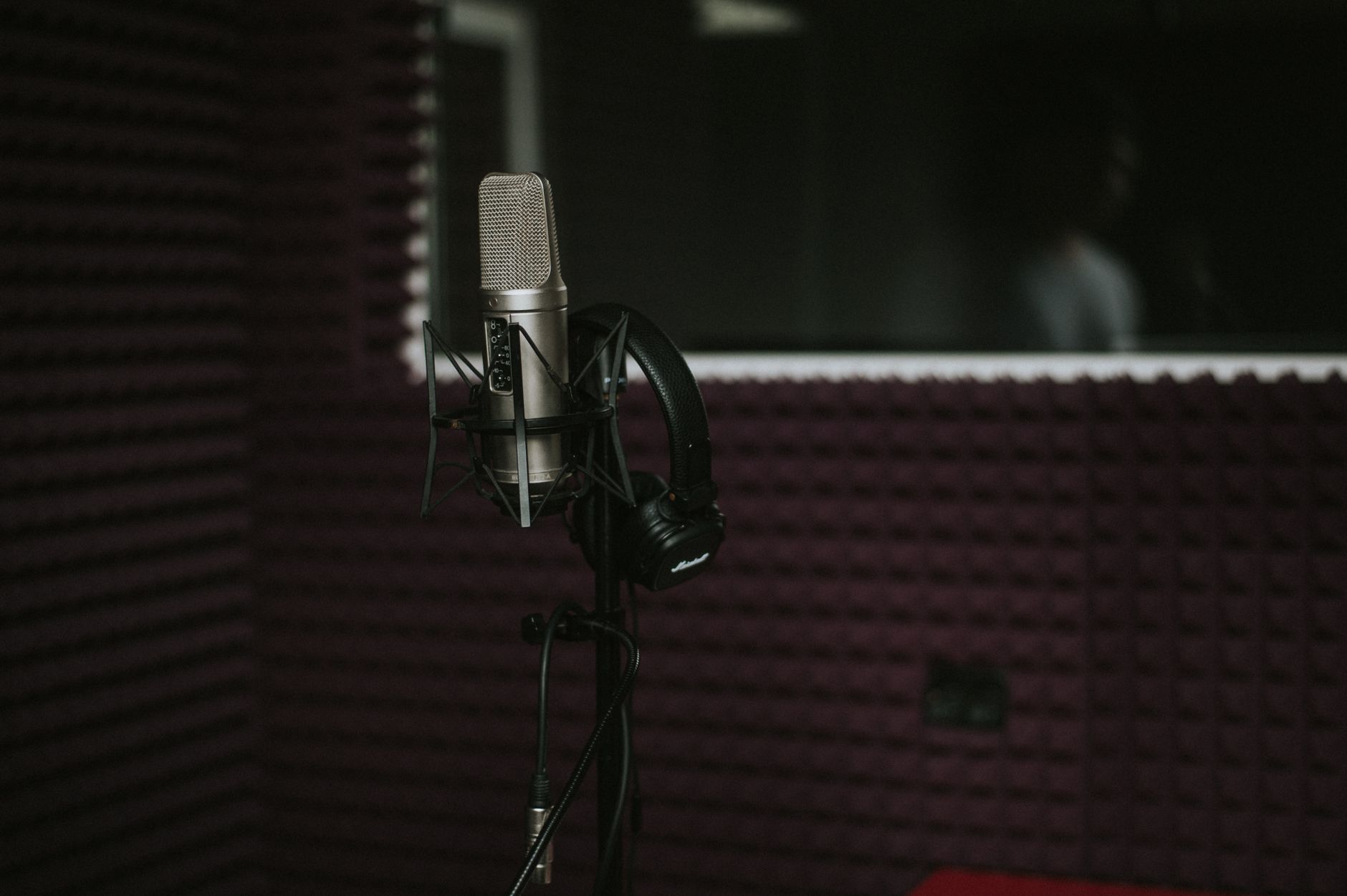
- Recording, line by line, with a dubbing director guiding pace and emotion.
- Mixing, where the new voice track is balanced against the original music, sound effects and ambient noise — which are kept intact.
That last point matters: dubbing only replaces the dialogue. The score, the explosions, the rain on a tin roof — all of that is preserved from the original mix, so the world still sounds real.
Voice-match, lip-sync and the "Hinglish" problem
The hardest part is lip-sync. The artist watches the actor's mouth and times their delivery so that closed-lip sounds and wide-open vowels land at the right frame. Get it wrong and the brain instantly notices — that uncanny, slightly-off feeling that makes a dub seem cheap.
Then there is voice-match: a dub artist isn't just reading lines, they are impersonating a performance. They must mirror the original actor's breathing, pauses, sobs and laughter without ever having been on set. A great dubbing artist can make you forget you are not hearing the actor's real voice.
Culture adds another layer. A joke built on an English pun, a regional slang term, or a reference no Indian audience would catch all have to be re-engineered. Skilled adapters often lean on "Hinglish" or local flavour to make a line feel native rather than imported — which is why a well-dubbed comedy can sometimes land better than the original.
Who are the voices behind the stars?
Most of India's best-known screen voices belong to people you have never seen. The same artist might voice a Hollywood superhero in one film, a villain in another, and a cartoon character on a kids' channel — all in a single week. The top names in Hindi, Tamil and Telugu dubbing are booked months in advance, because consistency matters: audiences get used to a particular voice attached to a particular international star, and changing it feels jarring.
Yet despite carrying entire performances, dubbing artists are rarely credited. Their names seldom appear on posters, in trailers or even in end credits. This anonymity is now at the heart of a growing fight — because if your voice is your craft and your livelihood, the lack of credit and contracts leaves you dangerously exposed when technology comes knocking.
The money: how dubbing artists get paid
Pay in dubbing is wildly uneven and almost entirely project-based. A newcomer voicing minor characters might earn a modest per-shift fee, while a sought-after artist attached to a major star or a tentpole release can command far more for the same hours in the booth. Rates depend on the language, the size of the role, the prestige of the project and, crucially, how much the artist is in demand.
A few realities shape those earnings:
- No royalties, usually. Most artists are paid once, for the recording, and earn nothing when the film streams for years afterward.
- Scarcity sets the price. For some regional languages the pool of quality artists is tiny, so the best ones can name their rate.
- Booking power matters. The top tier is reserved out far ahead, which keeps their fees high; everyone below competes on volume.
This is precisely the structure AI is now trying to squeeze.
The AI threat — and why human voices aren't dead yet
AI dubbing has moved from gimmick to production tool startlingly fast. The newest systems can transcribe a film's dialogue, translate it, and generate a synthetic voice track timed to the picture. More striking still is voice-cloning: the technology can take a star's actual vocal texture and apply it to another language, so the original actor appears to speak — say — Telugu in their own voice rather than a dubbing artist's. The Hindi film War 2 was reported to have used such AI tools to produce its Telugu version.
For producers the appeal is obvious. AI removes the supply bottleneck, slashing the time and cost of pushing one film into a dozen languages, and sidesteps the months-long wait for scarce top artists. That is a genuine threat to a workforce that already lacks credit, contracts and royalties.
But the panic has limits. AI today is convincing for flat, low-drama narration — explainers, corporate videos, simple infomercial lines. It still struggles badly with the things that make dubbing an art: raw grief, comic timing, a voice cracking mid-sentence, the breath before a scream. Audiences notice when emotion is missing, and a single hollow line can break the spell of an entire film.
That is why India's voice artists are organising around three demands — consent, credit and fair pay — and pushing the idea that a person's voice is intellectual property that cannot be cloned without permission. The likely near future is hybrid: AI handling the routine bulk, humans reserved for the performances that actually need a soul.
How to choose: dubbed, subbed or original?
As a viewer, you now have real choice on most platforms — so use it deliberately:
- Watch dubbed for visual, action-driven spectacle where you want your eyes on the screen, not the subtitle bar.
- Watch the original with subtitles when dialogue, accent and performance are the whole point — dramas, dark comedies, dialogue-heavy thrillers.
- Sample both for a film you love: a clumsy dub can flatten a masterpiece, while a brilliant one can make a foreign film feel like it was made for you.
The craft that lets a story leap across languages is finally getting attention — just as the technology that could replace it arrives. How India balances cheap, instant AI dubs against the irreplaceable human voice will shape not only what artists earn, but how the films you love actually sound.