Photo: Odin Reyna / Pexels
The Hindi Voice Behind Prabhas: How Pan-India Dubbing Works
The voice you think is the star isn't the star
When a North Indian audience roared for Baahubali in 2015, most of them believed they were hearing Prabhas speak. They weren't. The booming Hindi voice belonged to actor Sharad Kelkar, who sat in a Mumbai booth and matched every breath, pause and battle cry to a performance shot in Telugu. He did it so well that he became Prabhas's permanent Hindi voice, returning for Adipurush and Salaar.
This is the open secret of the pan-India film boom. The dialogues that travel across language belts are almost never spoken by the face on screen. They are rebuilt, line by line, by a small and largely invisible community of dubbing artists. As South cinema, Korean drama and global animation flood Indian screens, these voices have quietly become one of the industry's most valuable and least understood crafts.

Why a star can't just speak Hindi himself
The obvious question: why not have the actor learn the lines? A few do for one or two languages, but it rarely works across the board. A Telugu or Kannada star may not have the accent, fluency or sheer time to redub a three-hour film in Hindi, Tamil and Malayalam while shooting the next one. Performance and voice work are also different muscles.
So studios hire specialists. The goal is lip-sync so tight that a viewer never senses a swap. That means hitting three targets at once:
- Lip-flap: the Hindi words must open and close the mouth roughly where the original did
- Breath and rhythm: pauses, gasps and sobs have to land on the same frames
- Emotion: the dub must carry the same anger, grief or swagger, not just the meaning
Get the words right but miss the breath, and the scene feels dead. That gap between accurate and alive is the whole job.

The names you've heard without knowing it
Kelkar is the breakout example, but he is not alone. Audiences increasingly notice who voices their favourite stars in Hindi. Actor Shreyas Talpade lent his voice to Allu Arjun in the Hindi cut of Pushpa, giving the character a distinct swagger that helped the film explode in the North. Yash's KGF got its own dedicated Hindi voice. These dubs are now discussed, credited and even marketed.
That is a real shift. For decades, dubbing was anonymous piecework. The same handful of artists voiced dozens of Hollywood heroes and television soaps without a single fan knowing their names. Kelkar himself has pointed out that Baahubali dragged the whole trade into the light, and that audiences finally stopped assuming the voice and the face were the same person.
What dubbing artists actually earn
Pay in this field is wide and opaque, because there is no single rate card. At the entry level, newcomers doing crowd noise, background chatter and tiny roles may earn only a few hundred to a couple of thousand rupees per shift. Steady mid-level artists who voice supporting characters in films and series can make a comfortable monthly income once they have regular studio relationships.
The top tier is a different world. An established voice who is trusted to carry a hero across a big-budget release can command lakhs for a single film, especially when the producer wants a recognisable, bankable voice for a star like Prabhas or Allu Arjun. The economics make sense: a great dub can be the difference between a film working in a new market or sinking in it.
A few factors push the rate up:
- Reputation — being the established voice of a particular star
- Speed — finishing a clean dub in fewer takes saves costly studio hours
- Range — handling both intimate scenes and high-octane action convincingly
- Language reach — artists fluent and castable in more than one language are rarer
Inside a dubbing session
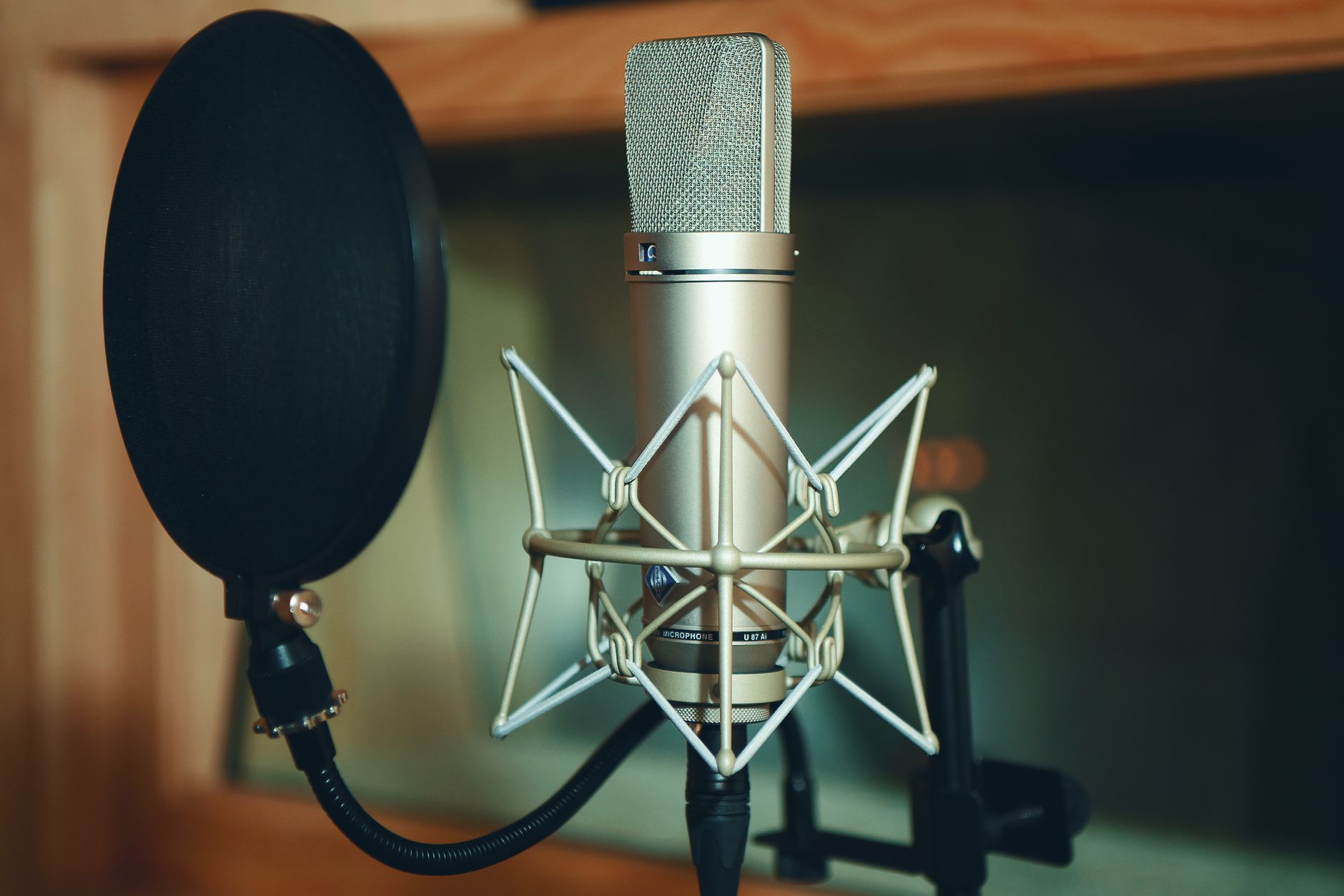
The work itself is unglamorous and demanding. The artist stands in a small, soundproofed booth facing a screen and a mic. The original scene plays in loops. They watch, listen, then deliver the new lines while a sound engineer and a dubbing director ride the timing.
A single emotional scene can take many passes to nail. The voice has to match a performance the artist had no part in creating, often without the full context of the story. Long action films mean hours of shouting and physical exertion, all standing still. Vocal stamina, cold reading and the ability to take rapid direction matter more than a conventionally beautiful voice.
Good dubbing directors treat the booth like a film set. They block emotion, adjust pace and sometimes rewrite a line on the spot so the Hindi lands naturally instead of sounding like a literal translation. The best dubs feel written for the language they're spoken in, not bolted on.
How to break into the trade
Demand has never been higher. OTT platforms now dub vast libraries of regional, Korean and Western content into Indian languages. Anime has a fast-growing Hindi audience. Even with AI voice tools improving, studios still rely on humans for the emotional nuance that synthetic voices fumble. For anyone with the right ear, there is a genuine path:
- Build a demo reel. Record clean samples showing range: a calm narrator, an angry villain, a tender lover. Quality of audio matters as much as the performance.
- Learn the craft. Workshops in Mumbai, Hyderabad and Chennai teach lip-sync, timing and mic technique. Practise dubbing existing clips at home and comparing.
- Get in the room. Register with dubbing studios and casting coordinators. Most careers start with crowd voices and one-line parts before bigger roles arrive.
- Protect your instrument. This is a vocal-athlete job. Hydration, rest and warm-ups keep a voice working for long, loud sessions.
Why this matters for what you watch
The rise of credited dubbing artists is part of a larger story: India's film market is no longer carved into sealed language zones. A Kannada film can become a national event, a Malayalam thriller can trend in Delhi, and the bridge across all of it is a voice in a booth.
Next time a South blockbuster hits your screen in Hindi and the hero sounds perfect, remember that perfection was engineered by someone you'll never see. The face sells the ticket. The voice, increasingly, is what makes you believe it. And for a growing number of skilled artists, that invisible work is finally getting a name.