Photo: John Taran / Pexels
Who Really Voices Your Favourite Star? India's Dubbing Artists
The Voice You Love Might Not Belong to the Star
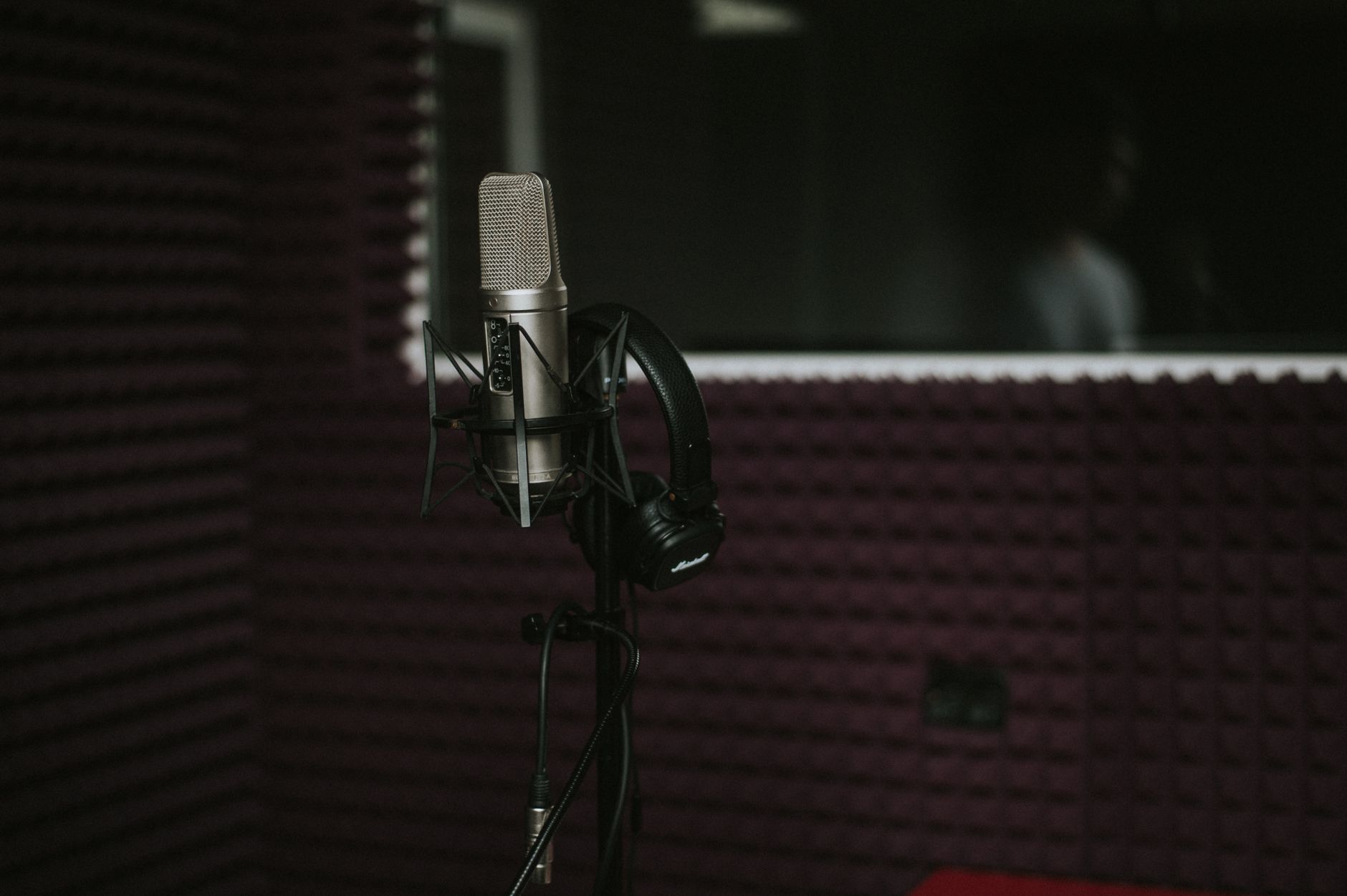
When a Telugu or Tamil blockbuster storms Hindi-speaking India and the hero's lines land with full punch, here is the quiet truth: that voice probably isn't the actor's at all. It belongs to a dubbing artist sitting alone in a padded booth, watching the same three seconds of footage on loop, trying to fit Hindi syllables onto lips that moved in another language.
These performers are among the most heard and least known people in Indian cinema. A single skilled voice can carry a star through an entire film, and audiences walk out crediting the actor for a performance that was half-built in post-production. In 2026, with streaming multiplying demand and AI threatening to copy the human voice outright, this invisible craft has suddenly become one of the most contested corners of the industry.
What Dubbing Actually Involves
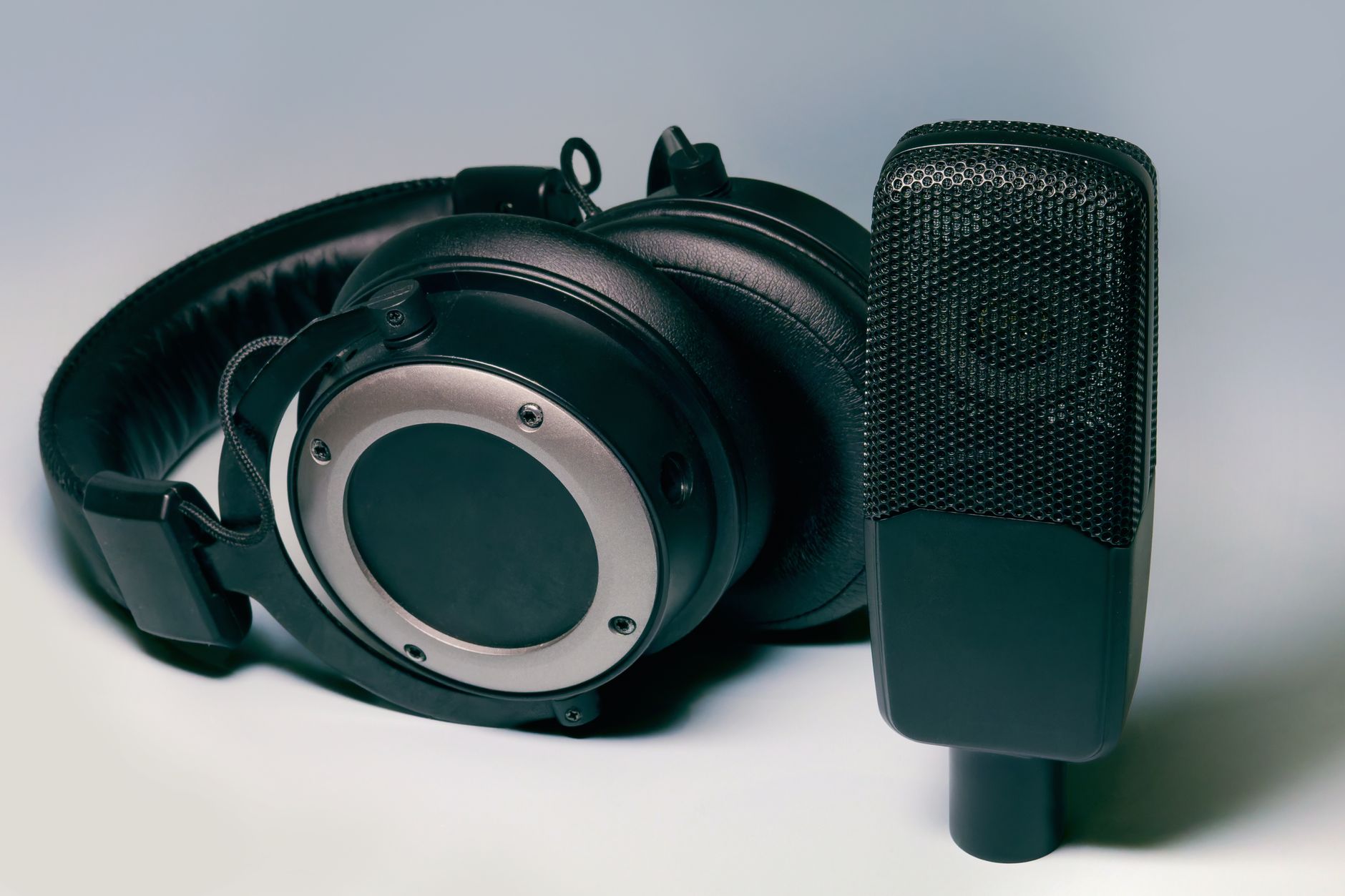
Dubbing is not just reading lines. The technical term studios use is ADR, or automated dialogue replacement, and it covers everything from cleaning up a lead actor's own muffled on-set audio to recreating an entire film in a new language.
The artist works to three masters at once:
- Lip-sync: the words must start and stop when the actor's mouth does, so translators often rewrite lines just to make the syllables fit.
- Emotion: a sob, a smirk, a held breath all have to be reproduced from scratch, with no co-actor in the room.
- Continuity: the same voice has to sound consistent across months of recording, sometimes after the film's release date has already changed twice.
A good dubbing session can clear several minutes of screen time in a shift. A difficult emotional scene might eat an entire day for one page of dialogue. The performer never sees the set, rarely meets the actor, and frequently records before the final cut is locked.

Why India Runs on Dubbing More Than Almost Anyone
No film market on earth dubs as relentlessly as India. A movie shot in one of the four big southern languages now routinely launches in five languages on the same Friday, and the pan-India wave that took hold after a string of southern hits made simultaneous Hindi, Tamil, Telugu, Kannada and Malayalam versions standard rather than optional.
Streaming poured fuel on it. When a platform buys a film or series, it wants every Indian language at once, plus often English, because a dubbed track can double or triple the audience without reshooting a single frame. Foreign content gets the same treatment, which is why a Hollywood franchise can feel oddly at home in a small-town single screen.
This is also why a handful of Hindi voices feel strangely familiar across decades. Studios like to keep one consistent voice attached to a particular Hollywood star or a particular Indian hero, so your ear quietly learns a voice it has never seen.
The Money Problem Nobody Advertises
Here is where the romance fades. Most dubbing work in India is paid per shift or per reel, not as a share of the film. An artist who voices the lead in a film that later earns crores on the box office and then runs for years on streaming typically sees none of that downstream money.
The pay gap is steep. A newcomer might earn a modest per-session rate for hours of exacting work, while a small set of established voices who reliably dub top stars can negotiate substantially higher fees. Even then, the bigger issue is volume and consistency of assignments rather than the rate on any one job.
Three structural problems keep recurring:
- No royalties. A voice recorded once is reused forever across theatrical, satellite and OTT, usually for a single flat payment.
- Credit is patchy. Dubbing artists are often buried deep in end credits or left out entirely, which makes building a public reputation hard.
- Feast or famine. Work clusters around release calendars, so months of back-to-back shifts can be followed by long dry spells.
AI Cloning Turned a Quiet Job Into a Battlefield
The reason dubbing is suddenly headline news is AI voice cloning. Tools now exist that can take a few minutes of a person's recorded speech and generate fresh dialogue in their voice, in multiple languages, synced to the picture. For producers chasing cheaper and faster releases, that is an obvious temptation.
For dubbing artists it is an existential threat with a particular sting. Their entire career is recorded and stored on studio servers. A voice they were paid a flat fee to record years ago could, in theory, be used to train a model that then replaces them on the next ten projects without another rupee changing hands.
India's voice professionals have organised around this, most visibly through the Association of Voice Artists (India), which has pushed the demand for explicit, written consent before any voice is recorded, cloned or used to train AI. The principle they want established is simple: a voice is a personal, identifiable asset, and reusing it through a machine is a new use that needs fresh permission and fresh payment.
The legal ground is shifting in their favour. Indian courts have increasingly recognised personality and voice rights, ruling in favour of well-known performers whose voices were mimicked or synthesised without permission. That gives artists a foundation to argue that an unconsented AI clone is not a clever shortcut but an infringement.
What Survives the Machine, and What Doesn't
AI is genuinely good at the flat stuff: announcements, corporate explainers, simple narration, rough first passes. Where it still stumbles is exactly where dubbing is hardest. A clone struggles with the crack in a voice mid-cry, the comic timing that lands a punchline, the regional flavour that makes a line feel native rather than translated.
The likeliest near future is not total replacement but a split market. Low-value, high-volume voice work drifts toward synthetic audio, while premium dramatic dubbing, where a film's emotional success rides on the voice, stays human and may even become more valued precisely because it is human. Some artists are already negotiating a third path: licensing their own AI voice on their own terms, so they get paid when the clone works.
If You Want to Break Into Dubbing
For readers eyeing this as a career, it remains one of the few film jobs you can enter on talent rather than connections, though the AI shift makes the next few years uncertain. A practical starting checklist:
- Build a showreel. Record short, clean samples in different emotions and registers. Clarity of diction matters more than a fancy mic.
- Master sync. Practise dubbing existing scenes on mute and matching the lips. This single skill separates amateurs from professionals.
- Pick your languages honestly. Fluency and a neutral, controllable accent in even one major language is worth more than shaky range across five.
- Get to the studios. Most work flows through established dubbing studios and sound houses, so registering with them and being reliable beats waiting for an audition.
- Read your contract. In 2026, check specifically for clauses on AI training and reuse, and treat consent to clone your voice as something you license, never give away for free.
The people who voice India's biggest films have spent decades being heard and never seen. The fight now is to make sure that when a machine learns to imitate them, they are at least in the room, named in the credits, and paid for the privilege.