The Guild-Recruitment Video Is Gaming's New Viral Hook
A video titled simply "FINDING MY NEW GUILD MEMBERS" is climbing YouTube's trending lists, and on the surface it looks like the most ordinary thing in the world: a gamer sitting down to audition strangers for a spot on their team. Look a little closer, though, and you are watching one of the most reliable engagement engines on the platform at work. The guild-recruitment clip has quietly become a genre of its own, and this one is the latest to catch fire.
We are writing about the phenomenon rather than narrating the clip frame by frame, because the interesting story is not who got picked. It is why a video about assembling a gaming guild can out-perform polished, expensive productions, and what that says about how online play actually works in 2026.
What a guild actually is
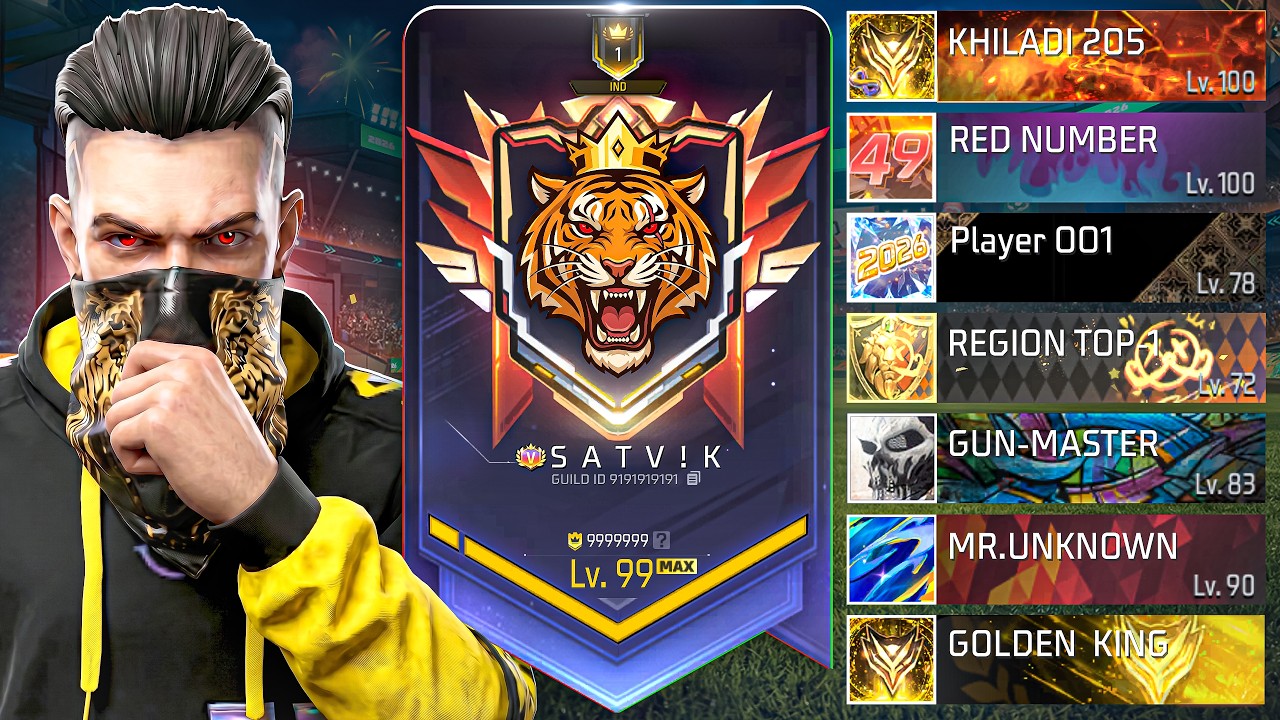
For readers who have never lived inside a multiplayer game, a quick grounding. A guild — called a clan, crew, faction or team depending on the title — is an organised group of players who band together under one banner. The feature is baked into nearly every major online game, from MMORPGs to battle royales to mobile strategy hits.
Guilds exist because solo play has a ceiling. Many objectives are designed to be impossible alone: raid bosses that need a dozen coordinated players, territory wars, ranked ladders where a fixed roster matters. A guild gives you a standing group to clear that content with, plus a shared chat, shared loot and a shared identity. In practice it functions less like a sports team and more like a small club that happens to meet inside a video game.
The word "guild" itself is a deliberate throwback to medieval trade associations, and the games that use it lean into that flavour of ranks, charters and membership. The emotional pull, however, is thoroughly modern: belonging.
Why the recruitment video format works
Most viral gaming content shows you something you cannot do — an impossible shot, a world-record speedrun, a clutch you will never replicate. The recruitment video flips that. It offers something you can do: join in.
That single shift is the secret. When a creator says they are finding new guild members, the audience stops being spectators and starts being applicants. Comment sections fill with people pitching themselves, tagging friends, debating who deserved a slot. Every one of those actions is exactly what the YouTube algorithm rewards.
There are a few structural reasons the format keeps producing hits:
- Built-in stakes. Someone gets chosen and someone gets cut. That is drama without a script.
- Parasocial payoff. Fans who have watched a creator for months get a real shot at playing with them, collapsing the distance between idol and audience.
- Endless sequels. Rosters change, members quit, new seasons start. The same creator can run this premise again and again without it feeling repetitive.
- Low production cost. It is mostly screen capture and conversation, which means a small creator can compete with a big one on idea alone.
The community is the content
The deeper reason these clips resonate is that, for a lot of players, the guild is the real game. The quests and the loot are scaffolding. What keeps someone logging in for years is the group of people waiting for them when they do.
Studies of player retention have long pointed at social ties as one of the strongest predictors of whether someone keeps playing. A solo player who hits a tough stretch quits. A guild member who hits the same stretch shows up anyway, because their friends are online and they do not want to let the group down. Game studios know this, which is why guild systems get such heavy investment.
A recruitment video taps directly into that machinery. It is, in effect, a creator building the social layer in public — auditioning not just for skill but for chemistry, reliability and vibe. Viewers recognise the ritual because most of them have either looked for a group or been recruited into one.
A snapshot of India's gaming surge
This trend does not arrive in a vacuum. India has become one of the largest gaming audiences on earth, powered by cheap data, affordable smartphones and a generation that grew up with a controller or a touchscreen in hand. Mobile titles dominate, and many of them — battle royales, strategy games, card-battlers — are built around clans and guilds as their core social hook.
That makes a video about guild recruitment land differently for an Indian viewer than it might have a decade ago. The lingo is familiar. The idea of grinding ranked matches with a fixed squad, coordinating over Discord and arguing about who carries the team is now a mainstream youth experience, not a niche one.
Indian gaming creators have built sizeable channels on exactly this terrain, and the country's competitive scene has matured around clan and team structures. A clip that frames the guild as the prize, rather than the gameplay, speaks fluently to that audience.
The reaction, and the catch
The public response to videos like this tends to split into two camps. One is enthusiastic: people genuinely want in, and the comments read like a job fair. The other is sceptical, pointing out that "recruitment" can be a thin pretext for engagement farming — a way to harvest comments and watch time while only a handful of slots, if any, are real.
Both readings can be true at once. A creator can sincerely want strong teammates and also understand that the search itself is excellent content. That dual purpose is not a scandal; it is just how the modern creator economy operates.
There are, however, real things to watch as the format scales:
- Paywalls. Some "guilds" route applicants into a paid Discord or membership tier. That can be legitimate, but it should be transparent, never a surprise.
- Scams. Any recruitment that asks for account credentials, OTPs or money to "verify" you is a red flag. A genuine guild never needs your password.
- Burnout and exclusion. Public auditions can curdle into harassment of the people who do not make the cut. The healthiest communities handle rejection gently and off-camera.
- Inflated promises. A slot "playing with the creator" sometimes means one session, not an ongoing seat. Read the fine print before getting attached.
What happens next
Expect more of this, not less. The recruitment video sits at the intersection of three things YouTube loves — community, repeatability and audience participation — and creators have clearly noticed how well it travels. The natural next steps are series formats: tryout episodes, roster reveals, season-long arcs that follow a freshly assembled guild as it succeeds or implodes.
The smarter creators will treat the people behind the applications as more than algorithm fuel, because a guild that actually gels becomes a content goldmine on its own. The cynical ones will run the premise dry and move on. Audiences are generally good at telling the two apart over time.
For now, the clip doing the rounds is a clean little case study in how online play has changed. The game on screen is almost beside the point. The thing people are really tuning in for is the oldest hook there is — the chance to be picked, to belong, and to find their people. That a thirty-minute search for new guild members can out-trend far flashier videos tells you everything about what players actually want from the games they love.