Photo: Sergey Koznov / Pexels
Fourth S-400 'Sudarshan' Squadron Arrives in India from Russia
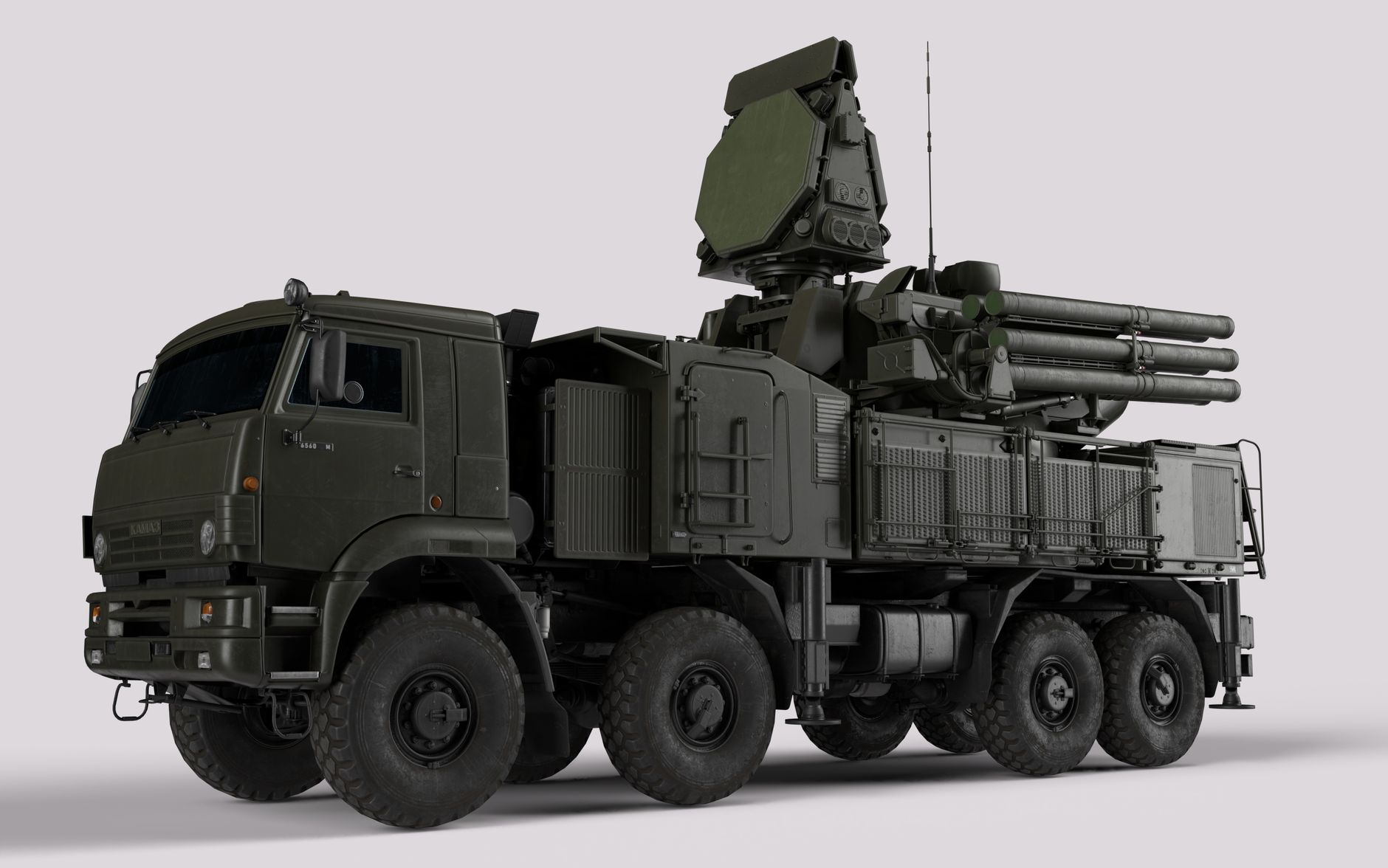
India's air-defence shield just moved a decisive step closer to completion. The fourth Sudarshan S-400 squadron has arrived in the country from Russia, shipped in by sea and now awaiting deployment to an operational sector. With this delivery, India holds four of the five squadrons it ordered nearly eight years ago — leaving just one more unit before one of the world's most ambitious long-range air-defence networks is fully in place.
The arrival, reported in the first week of June 2026, ends a long wait. The fourth and fifth squadrons had been stuck in limbo for years, and their slow trickle into service had become a recurring worry for Indian planners. That the fourth has finally landed — and that Russia has reaffirmed the fifth is on its way — signals that Moscow's strained supply chains are stabilising enough to honour one of its most strategically important export contracts.
The deal, and why the fourth squadron matters
The story goes back to 2018, when India and Russia signed a roughly $5.43 billion agreement for five squadrons of the S-400 Triumf system. Three were inducted on schedule and have been guarding key sectors for several years. The fourth and fifth, however, slipped badly — collateral damage from the Russia-Ukraine war, which swallowed Russian production capacity and tangled the logistics of moving heavy, sensitive military hardware across continents.
That delay was not trivial. Each squadron is a self-contained bubble of protection covering a wide swathe of airspace, and India's threat map runs along two live frontiers at once. Every missing unit meant a gap in the coverage planners had budgeted for. The fourth squadron narrows that gap considerably, and crucially, it arrives at a moment when India's air defence is being tested and scrutinised more than at any point in recent memory.
Defence sources indicate the fifth and final squadron under the original contract is expected in the coming months — with most timelines pointing to late 2026 or early 2027. When it lands, the original 2018 order will be complete.
What the 'Sudarshan' actually does
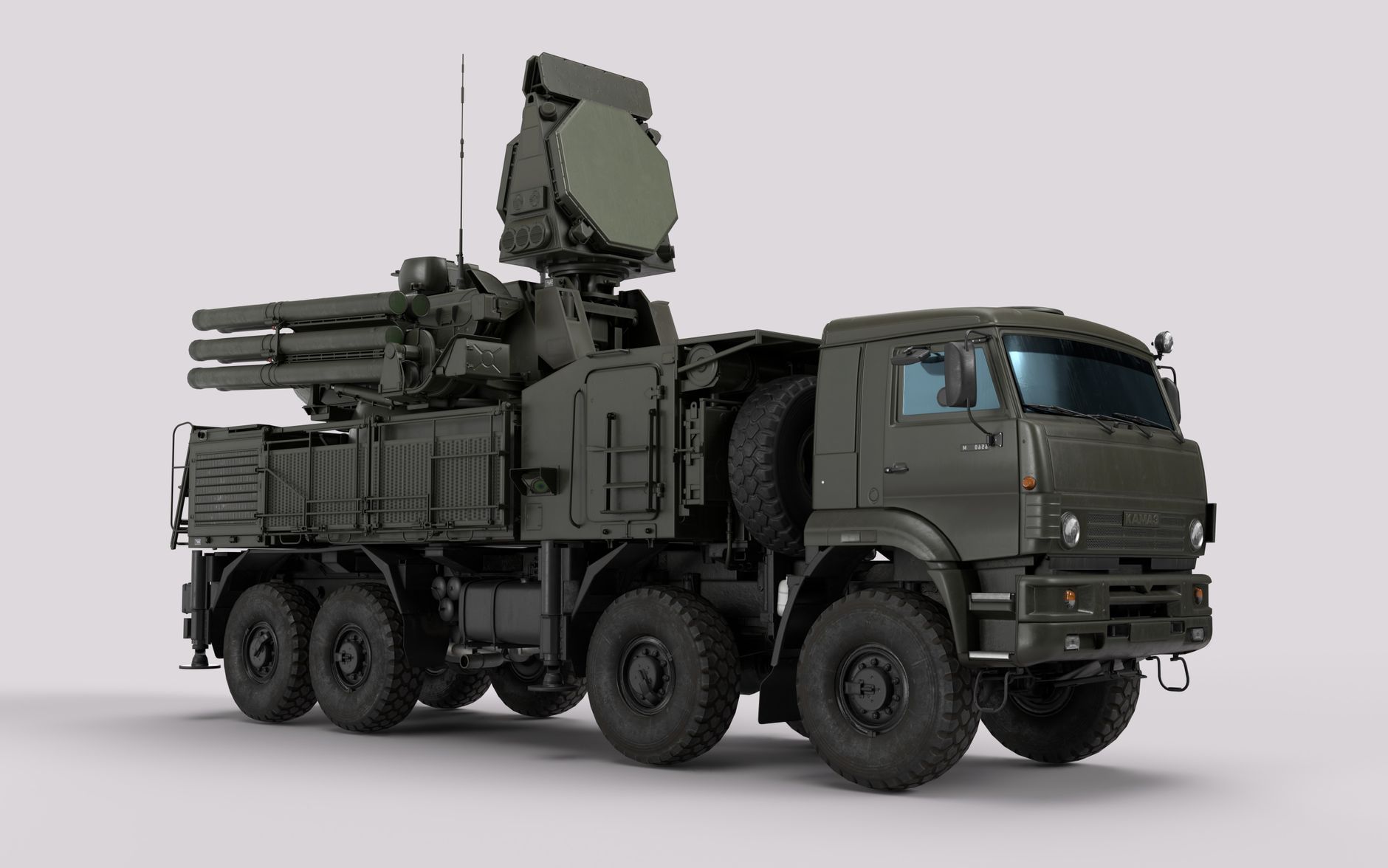
The S-400 carries the Indian service name Sudarshan, a nod to the Sudarshan Chakra — the discus weapon of Hindu mythology, prized for precision and range. The branding fits. This is not a single missile but a layered system designed to throw up a defensive net at multiple distances at once.
The S-400 can selectively fire up to four different interceptor missiles, each tuned to a different slice of the battlefield:
- A long-range missile reaching out to around 400 km, built to strike high-value targets like surveillance and command aircraft.
- A medium-range missile covering roughly 250 km.
- Shorter-range agile interceptors handling threats inside about 40 to 120 km, ideal for fast, low-flying targets.
Its radars can detect targets at extreme distances and track hundreds of objects at once, while engaging dozens simultaneously. In practical terms, a single battery can watch a huge volume of sky and decide, in seconds, which threats to kill and with which missile. That ability to layer defences — engaging a distant spy plane and a nearby drone in the same engagement window — is what makes the system so coveted, and so contentious among India's neighbours.
Tested in combat: the Operation Sindoor factor
What sets this delivery apart from a routine procurement update is that the Sudarshan is no longer untested in Indian hands. During Operation Sindoor in May 2025, Indian Air Force batteries were credited with intercepting waves of Pakistani drones and missiles, and with feeding early-warning and targeting data to fighter jets and other defensive assets.
Indian officials have described one particularly long-range engagement — an enemy electronic-warfare aircraft reportedly struck at a distance of around 315 km — as a milestone for ground-based air defence. Such claims should be read with the usual caution that surrounds wartime accounts, and parts of the operation remain disputed. But the broad picture that emerged was of a system that performed as advertised under real pressure, which has only sharpened India's appetite for more of them.
That combat record changes the political weather around the S-400, too. Earlier debates focused on the risk of US sanctions for buying major Russian hardware. After Sindoor, the conversation in Delhi shifted toward how quickly the shield could be expanded.
A worry for China and Pakistan
Much of the Indian coverage has framed the arrival bluntly as bad news for Pakistan and China — and the geography explains why. India faces sustained air and missile pressure from the west and a far larger, technologically formidable adversary to the north. A near-complete S-400 network forces both to rethink how, and whether, their aircraft and missiles can operate near Indian airspace.
Reports suggest the final squadron may be positioned to strengthen the central or northern sector, where high-altitude operations and missile surveillance facing China are especially sensitive. Wherever it lands, the effect is the same: hostile aircraft must now assume they can be tracked and engaged from much farther away than before, which pushes their operations back and complicates any first-strike calculus.
This is the quiet logic of long-range air defence. Its value is measured less in missiles fired than in missions never flown — in the risks an adversary chooses not to take because the cost of being wrong is too high.
What comes next: more squadrons, and a homegrown shield
The original five-squadron order is nearly done, but India's air-defence ambitions clearly run further. The Defence Acquisition Council has reportedly cleared a proposal to procure five additional S-400 squadrons, with discussions said to be continuing with Russia. If that deal firms up, India would roughly double its Triumf fleet over the coming years.
Running in parallel is the bigger long-term bet: Project Kusha, the DRDO's indigenous long-range air-defence programme aimed at building a comparable home-grown shield. The eventual goal is to reduce dependence on imports — and on a single supplier whose own war has already shown how fragile foreign supply chains can be. The delays that dogged the fourth and fifth squadrons are, in a sense, the strongest argument for Kusha.
For now, though, the headline is straightforward. India's S-400 shield is one squadron from complete, the system has proven itself in combat, and the country is already planning the next, larger phase. The fourth Sudarshan's quiet arrival by ship may not have the drama of a missile launch, but it tightens the net over Indian skies in a way that both neighbours will be studying closely.