Photo: Yash Patel / Pexels
How to Become a BCCI Cricket Umpire in India: The Real Path
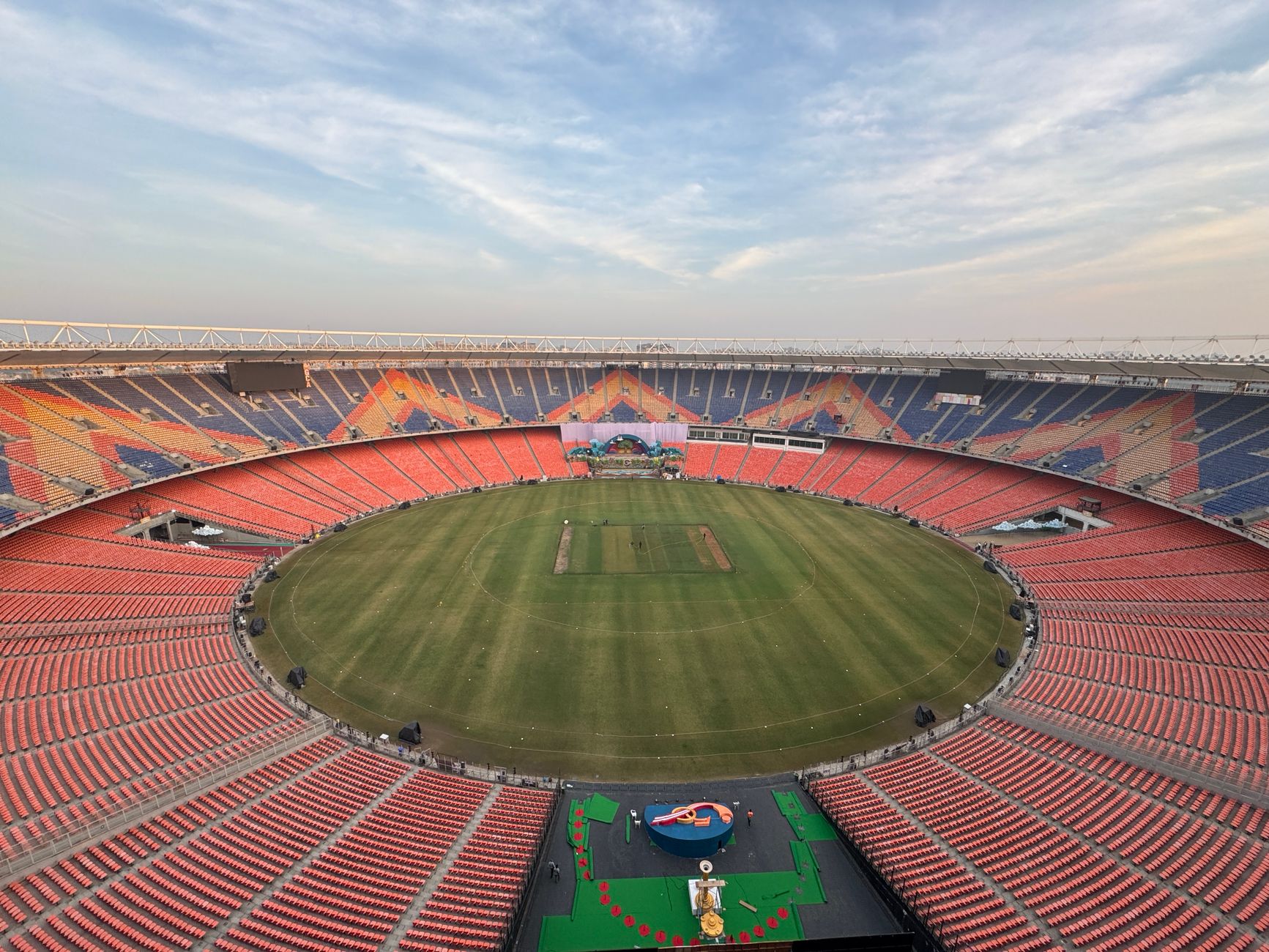
Every time a finger goes up at the Narendra Modi Stadium in Ahmedabad or a soft signal is given in a Ranji quarter-final, there is a person in the middle who passed a brutal series of exams to be standing there. Becoming a BCCI cricket umpire is one of the least glamorous and most misunderstood careers in Indian sport. There is no shortcut, no celebrity fast-track, and no way to message the board and ask for a game. The route is structured, slow, and unforgiving of sloppiness — which is exactly why the good ones are so respected.
If you love the game but your batting average ended your playing dreams, this is a serious second life inside cricket. Here is how the ladder actually works, what each rung demands, and what the job pays once you reach the top.

Start with your state, not with BCCI
The single most common mistake aspirants make is trying to contact BCCI directly. You can't. The board does not run an open entry exam. Your first and only door is your state cricket association — the Mumbai Cricket Association, Karnataka State Cricket Association, Cricket Association of Bengal, and so on.
You register with the association as an umpire candidate. Most states run a certification course once a year, and demand for seats is high, so the listing tends to fill fast. The course itself is short but intense: typically around four days, with the first three spent on classroom training and the final day reserved for the written exam.
The one non-negotiable here is the rulebook. You are tested on two documents that you must treat as scripture:
- The MCC Laws of Cricket, the global laws that govern the sport.
- The BCCI playing conditions, the domestic rules layered on top, which modify or add to the Laws for Indian matches.
These two are not identical. Knowing where they diverge — on things like over-rates, substitutes, or specific dismissal scenarios — is often what separates a pass from a fail.

The three-part exam, repeated at every level
Whether it's the state certification or the BCCI levels above it, the assessment has the same architecture. You clear three rounds, and you cannot skip ahead:
- Theory. A written paper on the Laws and playing conditions. This is the gatekeeper — fail it and you don't reach the next rounds.
- Practical. An on-field or video-based assessment of how you read live situations: line decisions, no-balls, wide calls, your positioning and signals.
- Viva. An oral examination where a panel fires scenarios at you and watches how fast and how confidently you apply the rules under pressure.
The pattern repeats deliberately. Each promotion is just a harder version of the same test, with less tolerance for the kind of hesitation that costs a team a wicket.
Put in the years at the local level
Clearing the state exam makes you a certified umpire, but it does not make you a BCCI umpire. Now comes the grind that most people underestimate. You officiate matches organised by your association — club games, age-group tournaments, university and league cricket — and you do it for a couple of years before you are even eligible to climb higher.
The working rule of thumb is two to three years of state-level officiating before you can be put forward for the BCCI exam. This stretch is where the real learning happens. A theory paper tells you the rule; standing in 42-degree heat for a full day, managing tempers and odd lighting, teaches you the judgment. It is also largely thankless and lightly paid, which is why patience is as much a qualification as knowledge.
BCCI Level 1 and Level 2
Once your state recommends you, you reach the national pathway, and it splits into two stages.
Level 1 opens with a coaching class spread over about three days, followed by the exam. Successful candidates go through an induction course and an interview. Think of Level 1 as the filter that decides whether you have the raw material to officiate at a higher standard.
Level 2 is the one that matters most, because clearing it is what lets you stand in national-level fixtures. It carries the same three-round format — theory, practical, viva — but the bar is higher and the margin for error is thinner. The widely cited cut-off is firm: candidates who score 90 marks or more are inducted onto the BCCI panel of umpires. That panel is the gateway to officiating in tournaments like the Ranji Trophy, with the top performers moving toward white-ball and eventually international consideration.
Much of the formal training at this stage runs through the BCCI Umpires' Academy at the National Cricket Academy in Bengaluru, where the standardisation of signals, positioning and decision protocols is drilled in.
Fitness, eyesight and the things people forget
Umpiring looks static from the stands. It isn't. You are on your feet for six hours or more, walking square to square, holding concentration on every single delivery across a full day. So the requirements go beyond the rulebook:
- Physical fitness. Expect a fitness component; you need the stamina to stay alert deep into the final session, when most umpiring errors creep in.
- Eyesight and hearing. Faint edges, run-out lines and the angle of a front-foot no-ball all depend on sharp senses.
- Temperament. You will be questioned by international-level players. The ability to stay calm, decisive and unbothered by pressure is genuinely tested in the viva and watched on the field.
These soft attributes are why some technically perfect candidates stall, while a slightly less bookish but unflappable umpire keeps getting games.
From the BCCI panel to the ICC
The domestic panel is not the ceiling. Standout BCCI umpires can be recommended by the board for ICC certification, the route into international cricket. The global structure has its own tiers — an International Panel feeding into the Elite Panel that handles Tests and major ICC events. India has placed several officials at that top table over the years, and every one of them started exactly where you would: a state course and a written paper.
The step up to international duty brings neutral postings, far more scrutiny, and the use of technology like ball-tracking and the Decision Review System, which changes how an umpire works rather than replacing the judgment.
What it pays, and whether it's worth it
Money is the question everyone asks last and thinks about first. The honest answer: the early years pay little, and you should treat them as an apprenticeship. Local match fees are modest, and you'll often spend on travel and time with little return.
The economics change once you reach the BCCI panel. Per-day match fees for top domestic umpires are reported to run into the tens of thousands of rupees, and a busy season across multiple formats adds up to a real income. International umpires, especially on the ICC Elite Panel, earn substantially more through annual retainers and match fees. It is a viable full-time career — but only at the top, and only after years of climbing.
The people who last in this profession rarely do it for the cheque. They do it because standing in the middle, trusted to get the game right, is its own reward. If that idea appeals more than the paycheck, the ladder is open. It just starts with a phone call to your state association and a very thick rulebook.