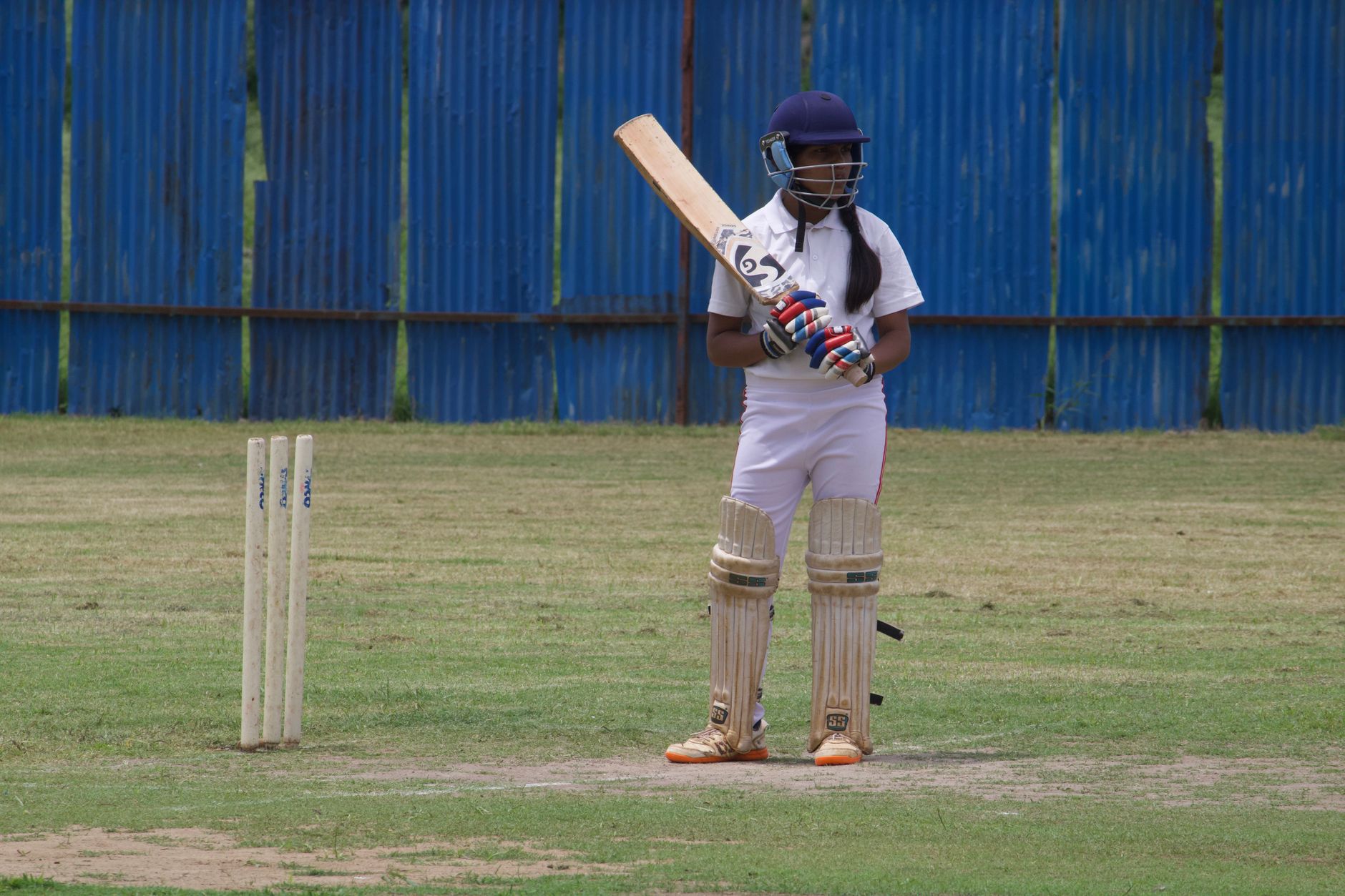
Photo: Rising Studio 07 / Pexels
Pitch Ratings: How a Cricket Ground Can Be Banned From Hosting
A spinner's first delivery spits past the glove and thuds into the keeper's chest. The commentators wince. By stumps you'll hear the phrase that quietly carries more weight than any single wicket: the pitch is "under review." That review is the ICC pitch rating, and it can do something no batsman or bowler can — strip a famous ground of its right to stage international cricket.
Most fans treat the pitch report as background noise. It isn't. Behind it sits a points system with real teeth, a five-year memory, and an appeals process that boards fight hard to win. Here is how the machinery actually works, and why India's grounds tend to sit closer to the spotlight than most.

What a pitch rating is actually judging
The first myth to kill: a rating is not a verdict on how many runs were scored. A pitch that produces a 90-all-out thriller can be rated highly, and a flat road that yields 600 runs can be marked down for offering nothing to the bowlers. What the match referee is really assessing is balance and safety — whether bat and ball got a fair contest, and whether the surface behaved in a way that was reasonable rather than dangerous.
The referee makes the call after the match, working with the on-field umpires who lived with the surface for every session. Crucially, the pitch and the outfield are scored separately. A waterlogged, sandy outfield that turns a match into a mud-wrestle can pick up its own penalty even if the 22 yards in the middle behaved perfectly.
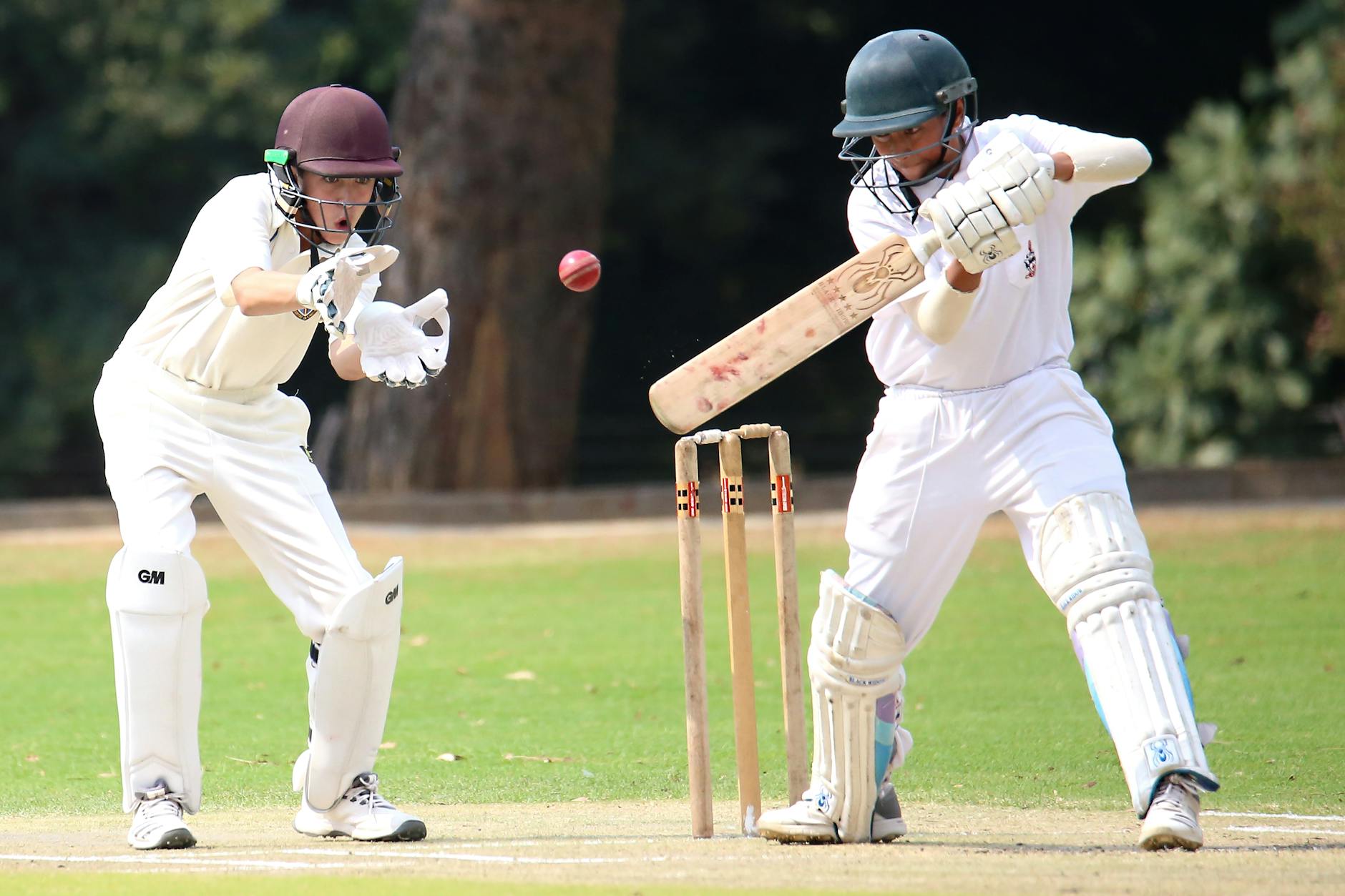
The four words that decide a ground's fate
In 2023 the ICC scrapped its old six-grade ladder — which ran from "very good" all the way down to "unfit" through clunky middle rungs like "average" and "below average" — and replaced it with a cleaner four-tier scale. Every international pitch now lands in one of these buckets:
- Very Good — an even contest, carry for the quicks, something for the spinners later, runs available to good batting.
- Satisfactory — perfectly acceptable, even if it favoured one discipline; no penalty.
- Unsatisfactory — the surface tilted the game unfairly or behaved poorly, whether that's excessive seam movement, alarming uneven bounce, or a lifeless deck offering nothing.
- Unfit — the most serious verdict, reserved for a pitch judged genuinely dangerous to play on.
The top two ratings carry no consequence. It's the bottom two that trigger the points.
How demerit points pile up — and stick
This is where the system bites. An Unsatisfactory rating attaches one demerit point to the venue. An Unfit rating attaches three. These points are not wiped at the end of a season. They sit on the ground for a rolling five-year period, quietly accumulating across every format played there.
Reach five demerit points inside that five-year window and the venue's ICC accreditation is suspended — no international cricket for 12 months. Hit ten demerit points and the ban doubles to two years. For a marquee stadium that depends on hosting Tests and white-ball internationals for revenue and prestige, that is a genuine threat, not a slap on the wrist.
A useful way to picture it: the demerit points are like points on a driving licence. One bad outing won't cost you, but they linger, and a second or third lapse within the window is what tips a ground over the edge.
What gets a pitch flagged
In practice, the referee is looking out for a handful of warning signs:
- Excessive seam or swing from ball one that makes survival a lottery rather than a skill.
- Variable bounce — some deliveries flying, others scuttling along the ground — which is the safety red flag that most often leads to "unfit."
- A surface that offers nothing to anyone, the dead-flat road that produces a bore-draw with no jeopardy.
- Cracking or crumbling far too early, so the game is decided by the toss rather than the cricket.
Notice what's missing from that list: spin. A pitch that turns sharply from the first session is not, by itself, a problem. The contest just has to be real.
Why India's grounds keep drawing scrutiny
India's home strategy of preparing aggressive, spin-friendly tracks is perfectly legal and has won plenty of Tests inside three days. But it lives close to the line, which is why Indian venues feature so often in pitch-report debates. The most cited example came when India hosted Australia in Indore in 2023: the surface was first rated poor under the old system, before being downgraded to below average on appeal — cutting the demerit points attached to it from three to one.
That episode points to the part of the process boards quietly rely on. A rating is not final the moment the referee signs off. The home board can appeal within 14 days, and an independent review can confirm, soften or, in rare cases, harden the verdict. For a cricket board, fighting a single demerit point is worth the effort precisely because of that five-year memory.
The broader tension is real. Home advantage in Test cricket is largely built on the pitch, and every host nation — England's green seamers, Australia's pace-and-bounce decks, India's turners — shapes conditions to suit its bowlers. The rating system exists to mark the boundary between a hostile home pitch and an unfair or unsafe one. Where exactly that line falls is the argument that never quite ends.
What it changes for how you watch
The next time a pitch goes "under review," you'll know the stakes aren't cosmetic. A few things worth carrying into the broadcast:
- A low total or a three-day finish does not mean a bad pitch. Ask whether the contest was fair, not whether it was high-scoring.
- Demerit points belong to the ground, not the team or the board — a venue can be punished even when the home side loses.
- The outfield matters too, and a sodden, sandy or rutted field can cost a venue points on its own.
- A first rating is a draft, not a sentence. Watch the two weeks after for an appeal.
None of this turns a pitch report into appointment viewing. But it does explain why curators sweat over moisture readings and grass length, and why a single phrase from a match referee can echo for five years. The surface isn't just where the game is played. Under this system, it's on trial alongside the players.