Photo: Stephen Leonardi / Pexels
Gold Cooled Off Its Record High. Is This the Window to Buy?
Gold spent the first quarter of 2026 doing something Indian households rarely enjoy: it gave them a reason to feel relieved. After a blistering run to record highs in early March, the metal has cooled, and the gold price trend now reads less like a one-way rocket and more like a market catching its breath. For anyone weighing a wedding purchase, an investment coin, or an auspicious gemstone, the next few months are unusually interesting — and not only because of what the charts say.
There is a second calendar at work this year. From 2 June 2026, Jupiter — the planet of wealth, wisdom and good fortune in Vedic astrology — moves into Cancer, its sign of exaltation. That alignment, which recurs only once every twelve years, has quietly turned attention toward one stone in particular. So this is really two questions rolled into one: where is the metal heading, and which gemstone is worth the spend in a year astrologers are calling rare.

Where the gold price actually stands right now
In late June 2026, 24-karat gold is trading at roughly ₹1,44,000 per 10 grams, with 22-karat near ₹1,32,000. That is comfortably below the peak. Gold touched an all-time high of about ₹1,69,000 per 10 grams on 2 March 2026, driven by a fresh burst of Middle East tension and the usual rush into safe-haven assets, before sliding around 15% from that level.
Step back and the scale of the rally becomes clear. The World Gold Council pegged the Q1 2026 average at a record ₹1,51,108 per 10 grams — up roughly 20% from the previous quarter and about 81% higher than a year earlier. So even after the recent dip, anyone who bought a year ago is sitting on a large gain, and anyone buying today is paying far more than they would have in 2024.
The correction has left buyers genuinely split. Some treat the pullback as the entry point they were waiting for. Others remember that big banks remain bullish: J.P. Morgan, among others, has floated targets near $6,000 an ounce by the end of 2026. Both camps can be right depending on your time horizon.

Why the dip does not settle the timing debate
For a long-term holder, fretting over a few thousand rupees per 10 grams misses the point. Gold's job in an Indian portfolio is insurance against inflation, a weak rupee and bad surprises — and on all three counts the backdrop has not changed. Geopolitical risk is still elevated, central banks are still buying, and the rupee has not exactly stormed back.
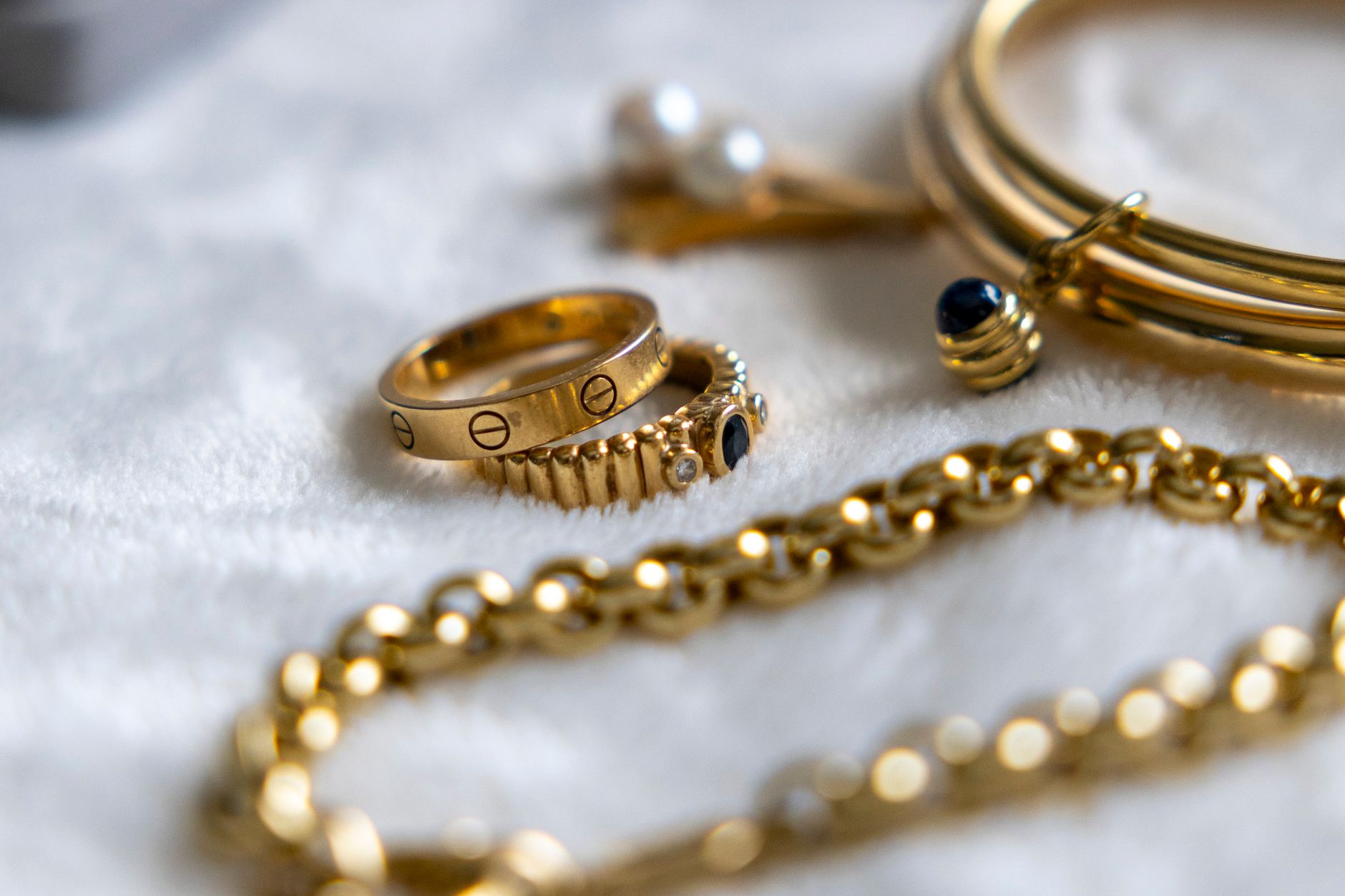
For a jewellery buyer, the metal price is only part of the bill. Making charges, GST and the gap between 22K and 24K often move the final number more than a day's price swing. A few practical habits matter more than market timing:
- Insist on hallmarked gold with a six-digit HUID, so purity is certified rather than promised.
- Compare making charges across jewellers; they are negotiable and vary widely.
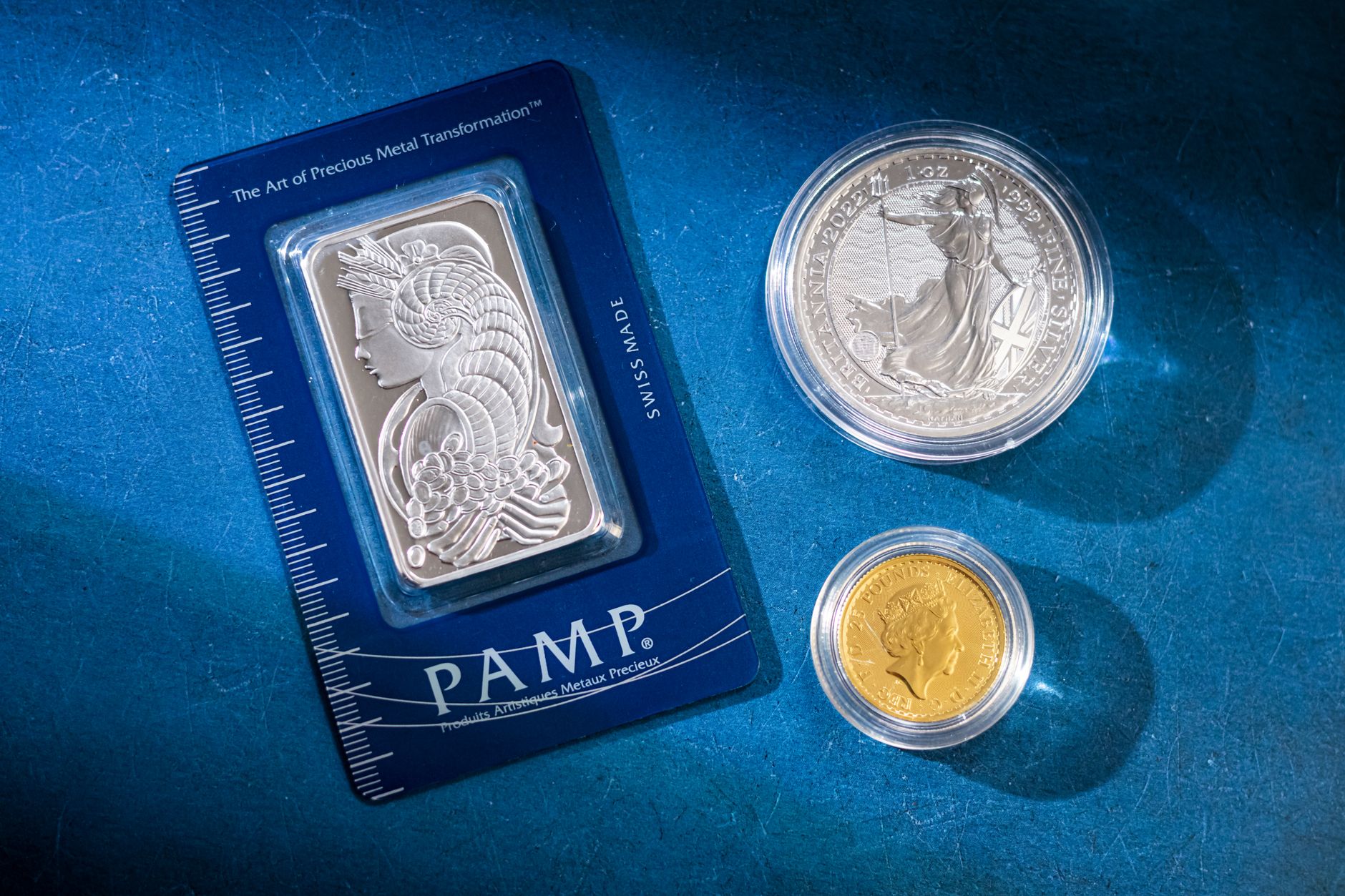
- For pure investment rather than adornment, coins, bars or gold ETFs avoid making charges entirely.
Silver, meanwhile, has been the wilder cousin. It ran past ₹2.7 lakh per kilogram earlier in 2026 before sliding hard, trading nearer ₹2.24–2.45 lakh by late June. If gold's chart looks jumpy, silver's looks positively caffeinated — a reminder that the white metal rewards conviction and punishes nervous hands.
The astrology calendar that has buyers talking
Here is where 2026 gets its second storyline. Jupiter — Guru or Brihaspati — enters Cancer on 2 June 2026 and stays until 31 October 2026, after which it moves on to Leo. Cancer is Jupiter's exaltation sign, the position where its benefic qualities are considered strongest. The last time this happened was 2014, which is why so many astrologers are flagging the window as significant.
In Vedic gemstone lore, every planet has a stone that channels its energy. Jupiter's stone is yellow sapphire, known as Pukhraj, traditionally linked to prosperity, wisdom, marital harmony and good counsel. With Jupiter exalted for these five months, Pukhraj has become the talking point of the year — the stone people ask their astrologers about first.
That does not make it the right stone for everyone, and any honest astrologer will say so. A gemstone is prescribed for an individual horoscope, not handed out because a planet is having a good year. Wearing the wrong stone for your chart is, in this tradition, considered worse than wearing none.
The nine gems and the planets they answer to
The Navratna, or nine gems, map onto the nine planetary forces of Vedic astrology. Knowing the pairings helps you understand what an astrologer is actually recommending, and why.
- Ruby (Manik) — the Sun: vitality, authority, leadership.
- Pearl (Moti) — the Moon: calm, emotional balance, intuition.
- Red Coral (Moonga) — Mars: courage, energy, drive.
- Emerald (Panna) — Mercury: intellect, communication, business sense.
- Yellow Sapphire (Pukhraj) — Jupiter: wisdom, wealth, fortune.
- Diamond (Heera) — Venus: love, luxury, comfort.
- Blue Sapphire (Neelam) — Saturn: discipline, the fastest-acting and riskiest stone.
- Hessonite (Gomed) — Rahu: ambition, sudden change.
- Cat's Eye (Lehsunia) — Ketu: detachment, spiritual focus.
A full Navratna ring or pendant carries all nine, usually with the ruby at the centre and the others arranged around it, and is set in panchdhatu, a five-metal alloy meant to balance every planetary current at once. For people who do not want a single dominant stone, the combined piece is the classic safe choice.
Buying a gemstone without getting burned
The gemstone trade is loosely regulated, and the gap between a treated, glass-filled stone and a natural one can be enormous in both price and effect. A few rules separate a sensible buyer from an easy mark:
- Get a birth-chart reading first. The stone should fit your horoscope's needs, not the year's headlines. A poorly chosen Neelam, in particular, is treated with real caution.
- Demand a lab certificate from a recognised gemological lab confirming the stone is natural and untreated. Without paperwork, you are trusting a story.
- Mind the carat weight. Astrologers usually prescribe a minimum, often around 3 to 5 ratti, for the stone to have effect.
- Match the metal to the planet. Yellow sapphire is traditionally set in gold; pearl and emerald often in silver; the full Navratna in panchdhatu. Gold is favoured for Jupiter and the Sun because it is believed to amplify their warmth.
- Energise it properly. Most traditions call for cleansing and a short ritual on the planet's day — Thursday morning for a Jupiter stone like Pukhraj — before first wear.
Prices run a wide gauntlet. A modest natural set can start near ₹8,000, while a certified, high-clarity single stone or a premium Navratna piece can run past ₹1,00,000. As with gold, the metal and the making add to the bill, so the sticker price is rarely the final one.
How to read this year as a buyer
Strip away the noise and 2026 offers a fairly clear frame. Gold has come off a record and remains historically expensive, so treat it as a long-horizon holding rather than a quick flip, and let purity and making charges — not a single day's rate — guide the purchase. Silver demands a stronger stomach. And the astrology calendar, whatever your level of belief, has put yellow sapphire front and centre for the five months Jupiter sits exalted.
The sober throughline is the same for the metal and the stone: buy what suits your situation, verify what you are paying for, and don't let a deadline — market or planetary — rush you into a piece you didn't check. Fortune, in gold as in gemstones, tends to favour the careful.