Photo: Vivek Solanki / Pexels
Empty Homes, Long Waits: Fixing How Indian Cities Are Built
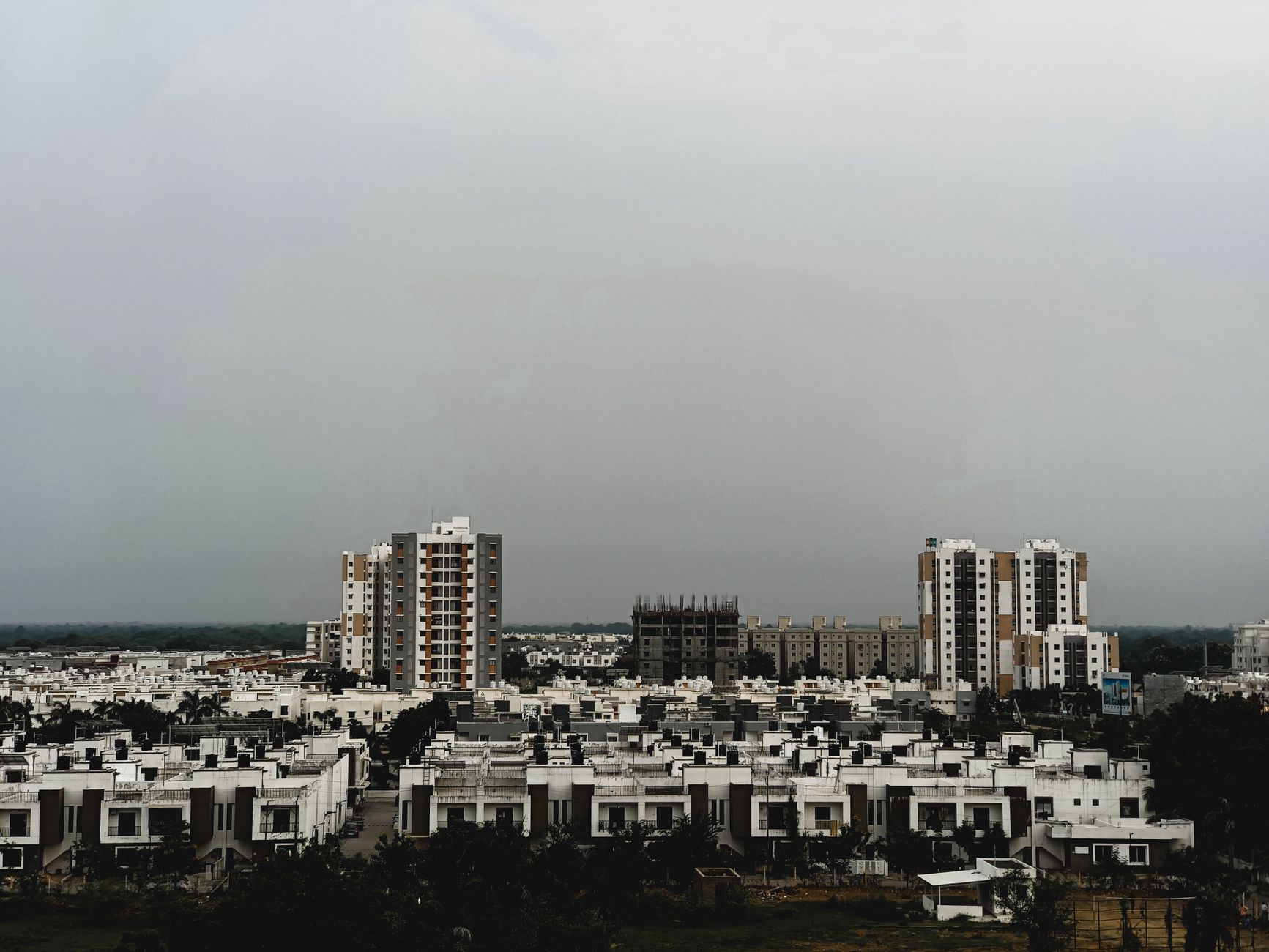
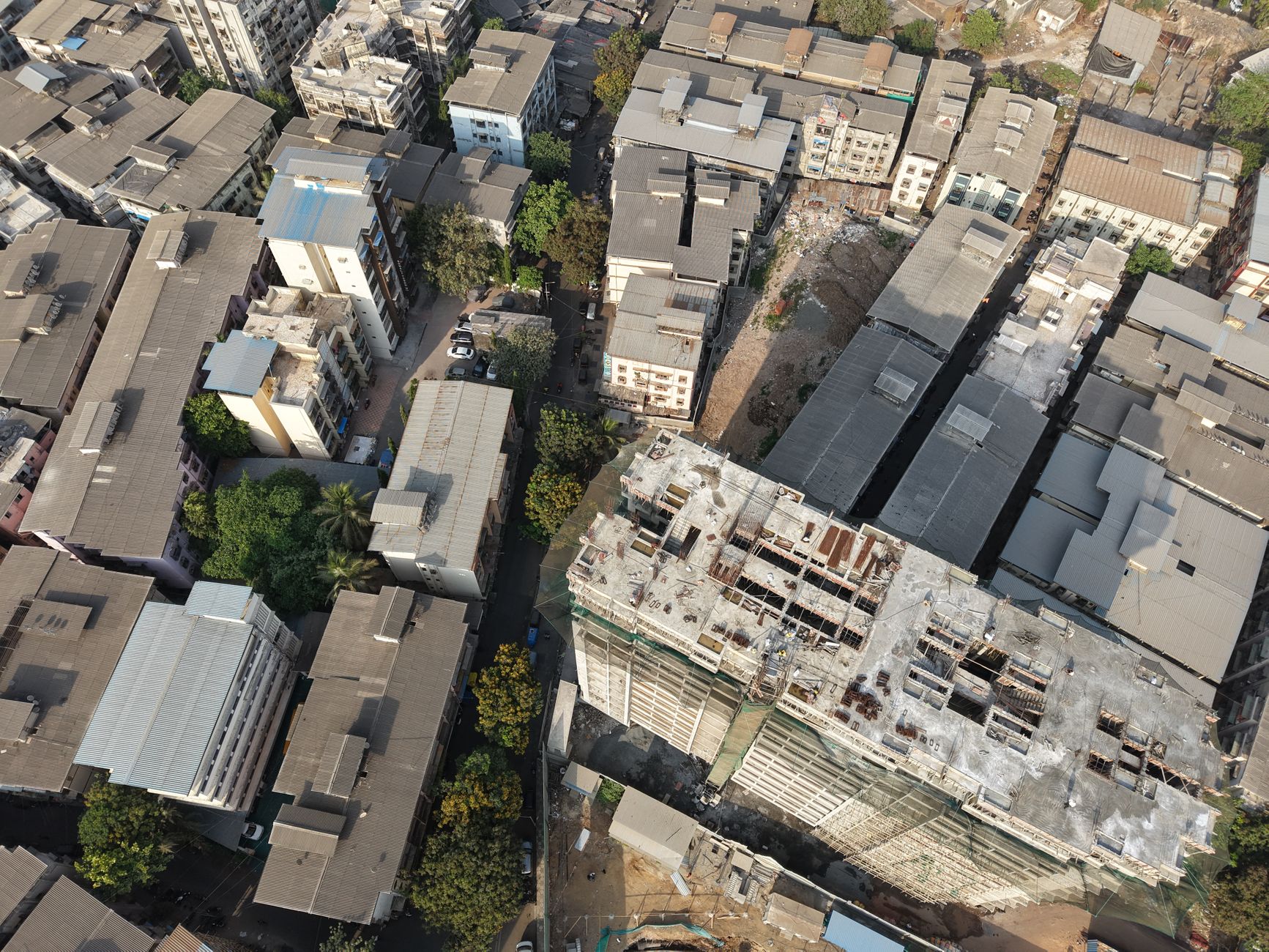
Walk through almost any large Indian city and you see the contradiction up close. New apartment towers rise on the outskirts, many with unsold or locked flats, while families who clean those buildings squeeze into informal settlements an auto-ride away. Affordable housing and sensible urban planning are talked about constantly, yet the gap between what cities build and what ordinary people can actually live in keeps widening. This is an analysis of why that happens, what is genuinely improving, and the practical fixes specialists keep pointing to.
The aim here is not to assign blame. Housing and city-building in India are shared responsibilities of the Centre, states and local bodies, and the problems took decades to form. The useful question is structural: what is broken in the system, and what would a fair, workable repair look like?
The problem ordinary citizens actually feel
The headline numbers are stark. India's housing shortage has been estimated at roughly 61 million units in recent years, with the urban deficit alone projected near 31 million homes by 2030. Almost all of that shortage sits with Economically Weaker Section (EWS) and Low Income Group (LIG) households, the very people least able to absorb high prices or long commutes.
Then comes the paradox. The last full census counted about 11 million vacant urban houses. So the country has empty homes and a housing crisis at the same time. The reasons are well documented: legacy rent-control laws, weak enforcement of rental contracts, and a habit of buying flats as investments rather than to live in. Much of the empty stock is also priced or located for the wrong buyers.
The planning side is just as telling. A think-tank review found that close to 39% of state capitals had no active, up-to-date master plan guiding their growth. Where plans exist, they are often delayed by years, ignored on the ground, or overtaken by sprawl long before they are approved. Cities expand first and plan later, which is how you get neighbourhoods with homes but no drainage, schools, or a bus that comes on time.

Why cities can't keep up
Two quieter shortages sit underneath the visible mess: people and money.
On people, the country has fewer than 4,000 sanctioned town-planner posts, and roughly half of those are vacant. By one official estimate India will need over 20,000 urban planners by 2030 and far more by mid-century. In several states, a town-planning qualification is not even required for planning jobs. You cannot design liveable cities with empty desks and the wrong credentials.
On money, the imbalance is striking. Urban areas generate well over half of India's GDP, yet municipalities collect only around 1% of GDP in their own revenues. Worse, that own-revenue share has been sliding, leaving city governments dependent on transfers from above and unable to plan beyond the next grant. Property tax, the main local levy, is widely under-assessed and under-collected. A city that cannot raise or keep its own money cannot fix its own roads, water lines or housing.
This traces back to a promise that was only half-kept. The 74th Constitutional Amendment of 1992 was meant to make city governments genuine self-governing bodies, with funds, functions and staff devolved to them. In practice, most states held on to the real powers. Mayors in many cities are largely ceremonial, and core services are run by state agencies rather than elected local councils.
What is working, fairly stated
None of this means nothing has been done. Several efforts deserve honest credit.
- PMAY scale. The Pradhan Mantri Awas Yojana has driven home construction at a scale India had not attempted before. PMAY-Urban 2.0, launched in 2024, aims to support one crore urban homes with an outlay of roughly ₹2.3 lakh crore, offering EWS and LIG buyers a 4% interest subsidy disbursed in instalments over twelve years.
- A rental rethink. The Model Tenancy Act, 2021 tried to address the empty-homes problem by giving owners and tenants clearer rules, capping deposits and setting up faster dispute forums, so landlords feel safer renting out vacant stock.
- Diagnosis, officially. Government bodies themselves commissioned the reports that flagged the planner shortage and the master-plan gaps. The problems above are not whistle-blower secrets; they are in official documents, which makes reform easier to argue for.
- Digital land and tax tools. Many municipalities have moved property-tax and building-approval systems online, widening the tax net and cutting some discretion at the counter.
These are real gains. The honest caveat is that supply-side schemes mostly help families who can still service a loan, while the poorest and the millions in rented informal housing need different tools.
The reforms experts keep recommending
Across policy institutes and government reviews, a fairly consistent to-do list emerges. None of it is partisan; it is mostly about plumbing.
- Staff the planning system. Fill vacant town-planner posts, allow lateral entry for qualified professionals on fixed terms, and make a planning qualification mandatory for planning roles. Build the cadre before the cities outgrow it.
- Keep master plans alive. Treat plans as rolling documents updated with real data and public consultation, not once-a-decade paperwork. Tie approvals and infrastructure spending to them so they actually bind.
- Give cities money and let them keep it. Reform property-tax assessment, ring-fence local revenues, and genuinely devolve funds, functions and functionaries as the 74th Amendment intended. Empowered mayors and councils that answer to residents help too.
- Make renting respectable and safe. Push wider adoption of the Model Tenancy Act, build dedicated rental housing for migrants and students, and unlock vacant stock instead of only building new towers on the fringe.
- Upgrade, don't just relocate. For existing informal settlements, in-situ upgrading with secure tenure, water and sanitation often serves families better than distant resettlement that cuts them off from work.
- Plan for jobs and transit together. Locate affordable housing near livelihoods and public transport, so a cheaper home does not come with an unaffordable commute.
Why this matters for the next decade
India is urbanising fast, and the share of people in cities will only climb. The choices made now decide whether the next wave of growth produces functional neighbourhoods or a bigger version of today's bottlenecks. Housing is not just shelter; it shapes health, schooling, women's safety and how far a worker must travel to earn.
The encouraging part is that the levers are known and largely undisputed. More trained planners, living master plans, financially stronger city governments, a working rental market and tenure security for the poor are not radical ideas. They are maintenance work on the machinery of city-building.
Progress will be uneven, because land and municipal governance sit largely with states, and capacity varies widely. But the direction is clear, and the cost of drift is paid daily by people stuck on waiting lists or long commutes. Treated as a shared, technical challenge rather than a political football, India's cities have every chance to house their residents well. The blueprint already exists; the task now is to build to it.