
Photo: Sharath G. / Pexels
India Real Estate 2026: The Premium Pivot and What to Check
If you have shopped for a home in India this year, one thing is obvious: the market has quietly changed its mind about who it is building for. India real estate 2026 is no longer a story of mass affordable housing. It is a story of premiumization — bigger homes, branded towers, ready-to-move keys, and buyers willing to pay for certainty. For anyone about to sign a cheque, understanding this shift is the difference between a smart purchase and an expensive regret.
This guide breaks down what is actually driving the 2026 market, which home types buyers are chasing, and the exact checks you must run before parting with a single rupee.
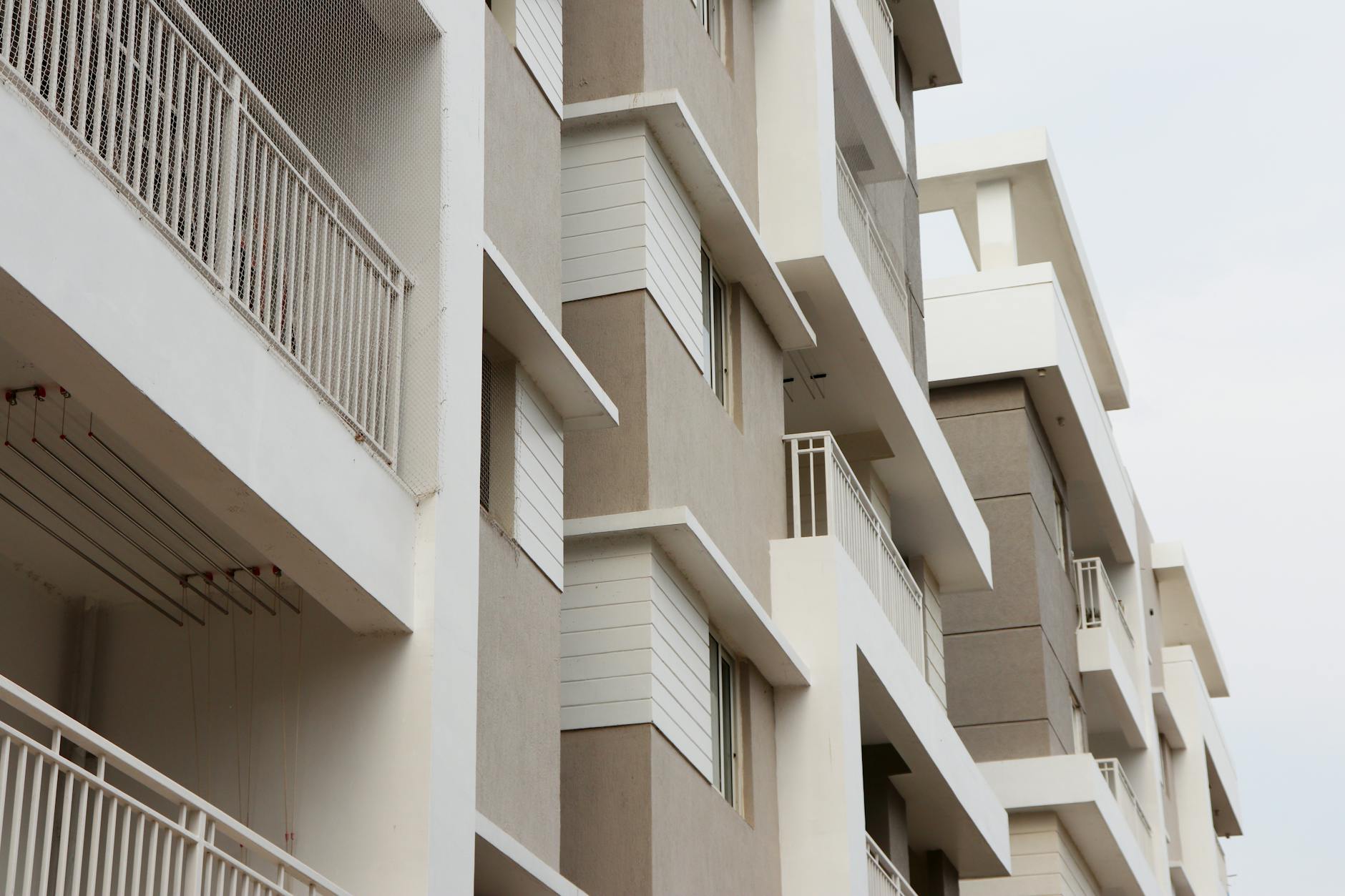
India Real Estate 2026: The Premium Pivot
The headline trend is brutal in its simplicity. Across the top metros, homes priced above ₹1 crore now make up the bulk of new sales, while the affordable segment — broadly homes under ₹45 lakh — has shrunk to a thin slice of fresh supply. Developers chase fatter margins, land costs in city cores have exploded, and the buyer who once anchored the market, the first-time middle-class purchaser, is increasingly priced out or pushed to the periphery.
This is not a temporary blip. After years of consolidation, the organised players who survived now favour larger, premium projects with better amenities and stronger balance sheets. The result is a market that feels healthier on paper — record sales values — but narrower in who it actually serves.
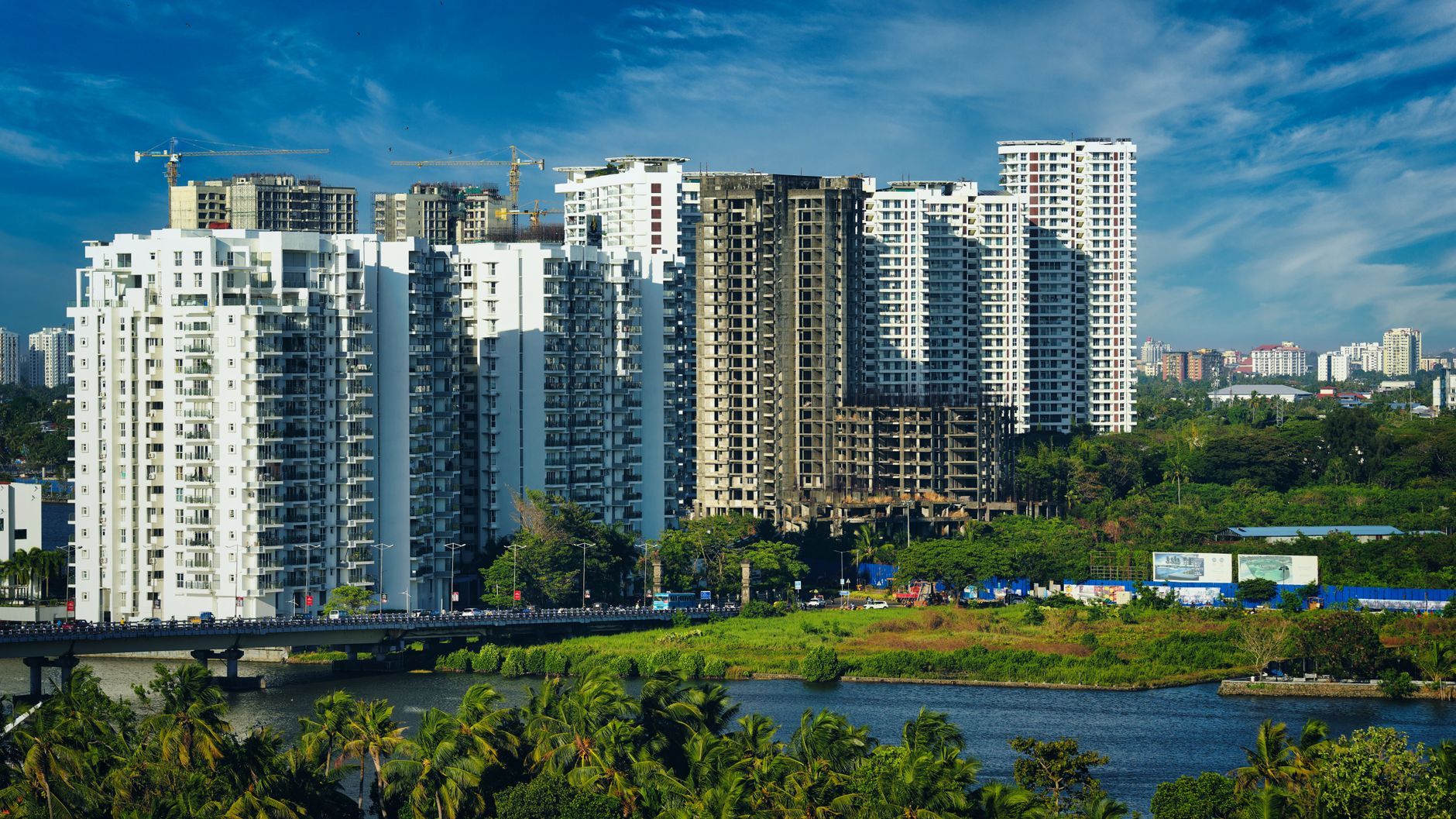
What's Actually Driving the 2026 Market
Several forces are pulling in the same direction. Understanding them helps you read whether a price is fair or frothy.
- Flight to trust. After a decade of stalled projects, buyers heavily prefer ready-to-move homes and developers with a clean delivery record. Certainty now carries a price tag.
- Income polarisation. A growing band of high earners — startup wealth, global pay, dual-income professionals — can absorb premium prices, while everyone below them gets squeezed.
- Land and input costs. Scarce urban land and higher construction costs mean developers earn more on one luxury tower than on three budget blocks.
- The branded boom. Hotel-brand and developer-branded residences are spreading beyond the metros, selling lifestyle and managed upkeep alongside square footage.
- Tier-2 momentum. Cities like Indore, Lucknow, Coimbatore, Jaipur and Vizag are seeing genuine end-user demand, often at half the per-square-foot cost of Mumbai or Bengaluru cores.
Four Home Types Buyers Are Chasing in 2026
With the trend clear, here is where buyer demand is actually concentrating — with rough price bands and honest trade-offs. Treat the numbers as indicative ranges that vary sharply by city and micro-market.
- Ready-to-move metro apartments (₹90 lakh–₹2.5 crore). Pros: no GST, no delay risk, you see the actual product. Cons: priciest entry point, limited choice, older inventory in prime pockets.
- Under-construction homes in growth corridors (₹50 lakh–₹1.2 crore). Pros: lower entry price, staggered payments, capital appreciation if the corridor delivers. Cons: 5% GST, dependence on the builder finishing, and infrastructure that may lag promises.
- Branded and managed residences (₹2 crore and up). Pros: professional upkeep, strong resale brand value, amenity-rich living. Cons: steep maintenance, a premium you may not recover, and lifestyle costs that keep recurring.
- Tier-2 plotted developments and villas (₹35 lakh–₹1 crore). Pros: land ownership, space, lower per-unit cost, strong end-user demand. Cons: title and approval risks are higher, and liquidity can be thin if you need to sell fast.
The 8-Point Due-Diligence Checklist Before You Pay a Rupee
This is the part most buyers rush — and regret. Run every one of these before any token or booking amount.
- RERA registration. Confirm the project's RERA number on your state authority's website and read the registered details, timelines and any complaints.
- Title and ownership chain. Insist on the title deed and a lawyer-vetted 30-year title chain to confirm the seller actually owns clear, marketable title.
- Encumbrance certificate. Pull the encumbrance certificate to ensure no loans, liens or disputes are attached to the property.
- Approved building plan. Match the sanctioned plan against what is being built; unauthorised floors or deviations can be demolished or denied loans.
- Occupancy / completion certificate. For ready homes, no occupancy certificate means no legal right to occupy — and often no GST exemption.
- Carpet area, not super built-up. Under RERA, you pay for usable carpet area. Get the exact figure in writing and ignore inflated super built-up pitches.
- Loan eligibility and pre-approval. A bank's willingness to fund the project is itself a sanity check — lenders run their own legal scrutiny.
- Builder track record. Visit past projects, talk to existing residents, and check delivery history and litigation before trusting any brochure promise.
The Hidden Costs Nobody Quotes You
The sticker price is never the real price. Budget for an extra 8-12% on top, and ask for every charge in writing before booking.
Stamp duty and registration alone typically run 5-7% depending on the state, with some offering small concessions for women buyers. Under-construction homes attract GST of 5% (1% for qualifying affordable units), while ready homes with a completion certificate attract none. On any property above ₹50 lakh, the buyer must deduct 1% TDS on payments to a resident seller. Then come parking, club membership, power backup, a maintenance corpus and society deposits — each modest alone, but together a meaningful sum.
Floating these costs into your plan early prevents the classic trap of stretching a loan to the ceiling and then scrambling for lakhs at registration.
Red Flags and What Comes Next
Walk away — or at least pause — if a seller pressures you to pay before sharing documents, quotes only super built-up area, lacks a RERA number for an ongoing project, or cannot produce an occupancy certificate on a finished building. Cash-only demands, missing approvals and vague delivery dates are the oldest warning signs in the book, and they still catch buyers every year.
Looking ahead, expect the premium tilt to continue while governments face growing pressure to revive genuine affordable supply. Digitised land records, online property registration and DigiLocker-linked documents are steadily making title verification easier, which should reduce fraud over time. Interest rates and any tweaks to housing tax benefits will shape demand in the value segments most.
The bigger picture for 2026 is this: India is building aspirational homes faster than affordable ones, and the burden of caution has shifted firmly onto the buyer. The market rewards those who verify before they trust — and quietly punishes those who fall for a glossy brochure. Do the homework, budget for the full cost, and let the documents, not the sales pitch, make your decision.


