Photo: Sharath G. / Pexels
India's Homes Got Bigger in 2026 — Check These 7 Things First
If you have been flat-hunting this year, you may have noticed something odd: the same budget that bought a snug 2BHK a few years ago now nudges you toward a roomier home with a study nook or a third bedroom. That is not a coincidence. The defining India real estate story of 2026 is that homes are getting physically bigger, buyers are paying more per home, and the entire market has quietly reorganised itself around value rather than sheer volume. For anyone about to sign, that shift changes both what you buy and what you must check.
Flats are growing, and the numbers are striking
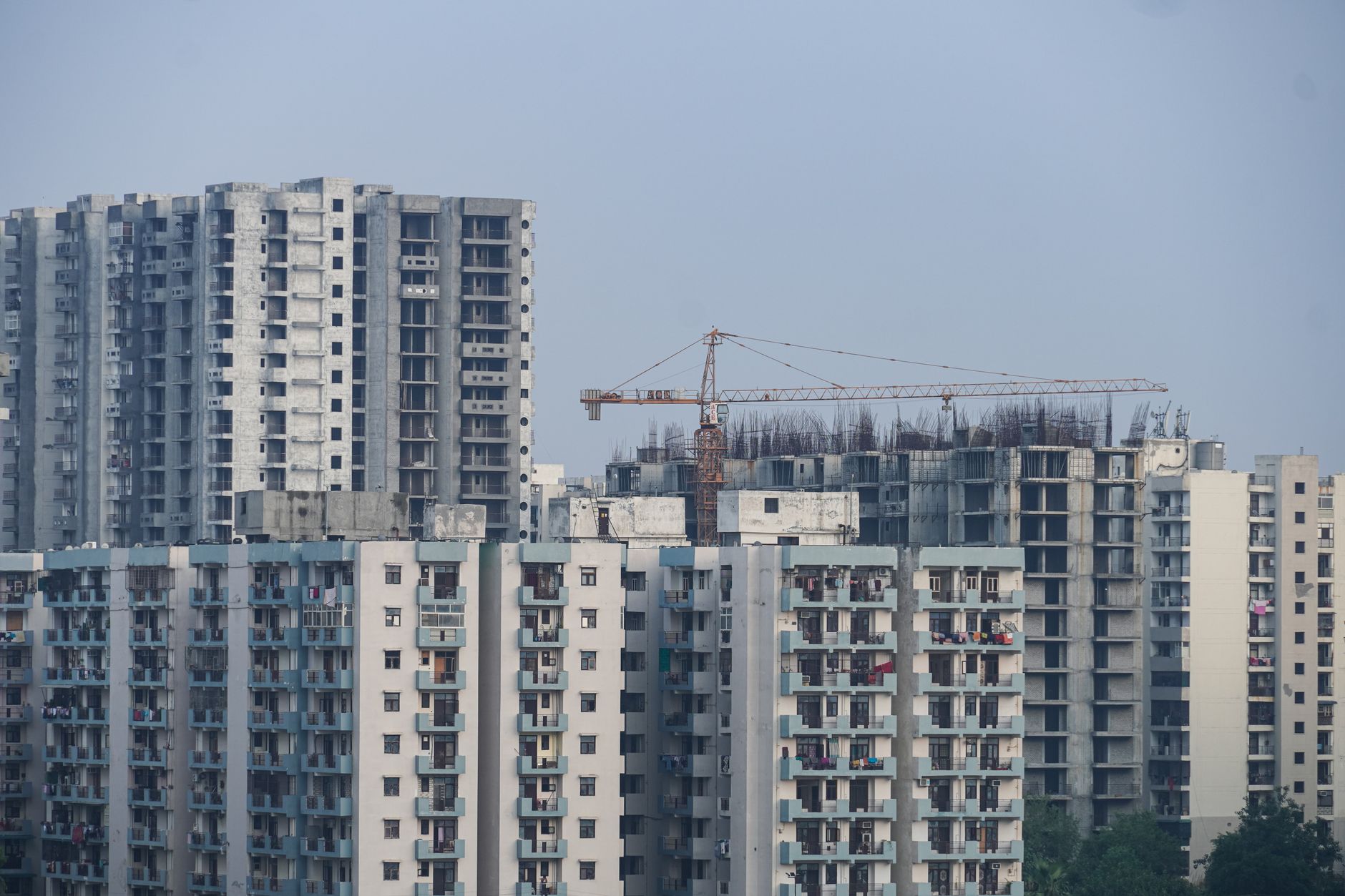
Across India's top seven cities, the average size of a home sold has climbed roughly 17% in just two years — from around 1,420 sq ft in 2023 to about 1,656 sq ft in 2025, according to property consultants tracking primary sales. Some markets ran far ahead of that average. In the National Capital Region, average flat sizes have nearly doubled compared with 2019, while Hyderabad has seen a jump of more than 50% over roughly six years.
The drivers are by now familiar but worth restating. Hybrid work made a dedicated home office non-negotiable for many households. Families that spent the pandemic in cramped quarters decided they wanted room to breathe. And a growing number of buyers are planning for multi-generational living, with parents and grown children under one roof. Developers, reading the demand, have shifted their launch pipelines toward 3 and 4BHK layouts that would have been niche a decade ago.
From volume to value: the market's quiet flip
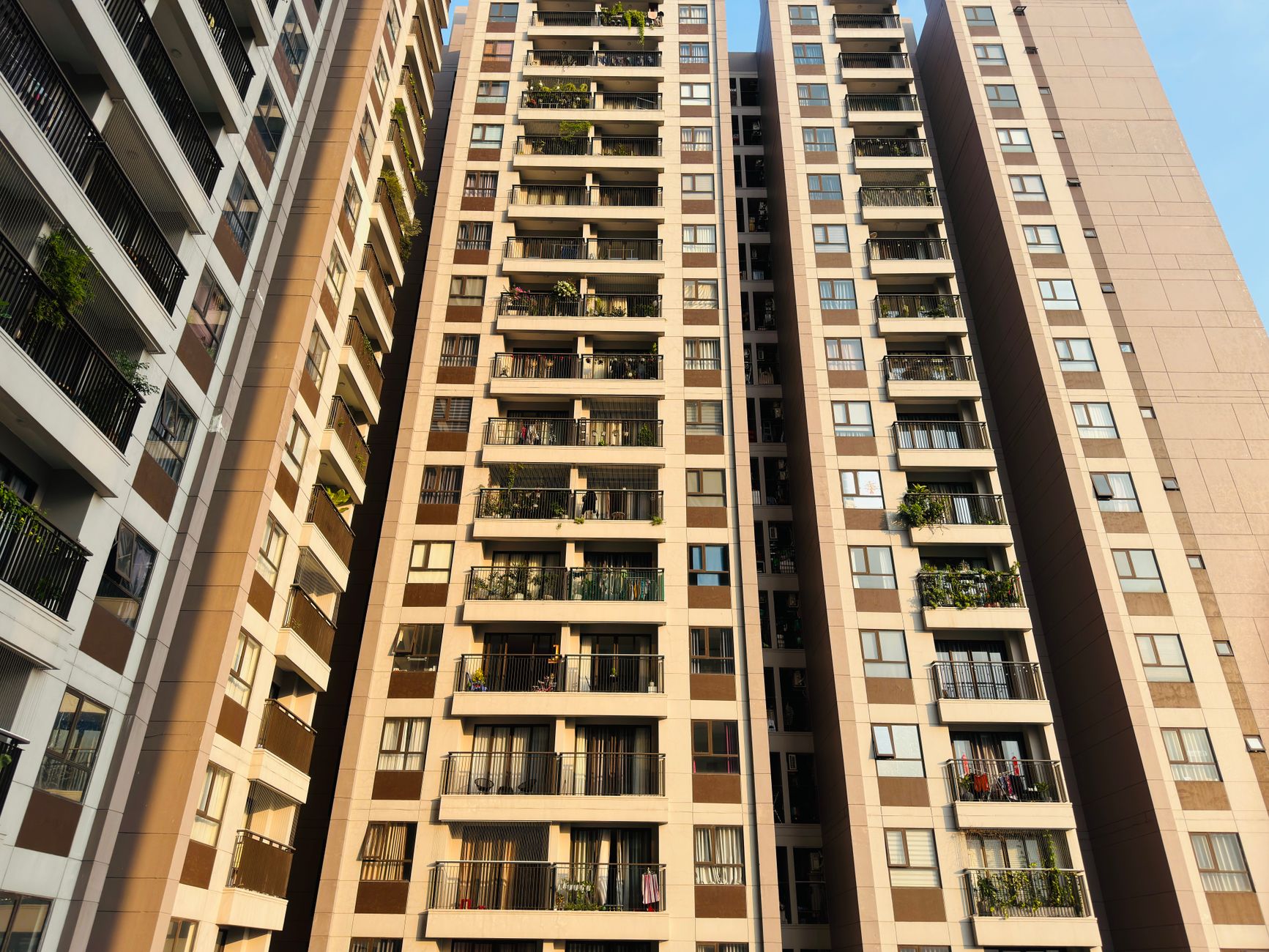
The more important structural change sits underneath those size numbers. In CY2025, primary housing sales in Tier-1 cities touched roughly ₹6 lakh crore, an increase of about 6% by value — yet the number of units sold actually slipped by around 14%. Read those two figures together and the picture is unmistakable: Indians bought fewer homes but spent considerably more on each one.
This is what the industry means when it talks about a move from volume-led to value-led growth. Weighted average prices in the leading markets climbed toward ₹10,000 per square foot. Buyers are no longer chasing the cheapest possible box; they are paying up for better layouts, larger carpet areas and locations with genuine infrastructure. The flip side is obvious — the entry ticket to a quality home in a metro keeps rising, and first-time buyers feel that pinch most.
There is a financing tailwind in the mix too. After the Reserve Bank of India delivered more than 100 basis points of rate cuts through 2025, home loan EMIs eased enough to coax mid-segment buyers back into the market in 2026. Cheaper money plus a preference for larger homes is a potent combination, and it explains why prices have held firm even as transaction counts cooled.
Why bigger isn't automatically better
A larger flat is appealing, but size can also be where buyers get quietly overcharged. Builders have long quoted super built-up area — your flat's usable space plus a share of lobbies, staircases and lift shafts — which can be 25-30% more than what you actually live in. That is precisely the gap RERA was written to close.
Under the Real Estate (Regulation and Development) Act, every sale must be based on carpet area — the net usable floor space within your walls, literally the area where you could lay a carpet. So when a glossy brochure trumpets a big number, your first job is to find the carpet area, not the marketing figure. A home that looks generous on paper can shrink fast once you strip out the common-area padding.
What to verify before you sign
The excitement of a new home is exactly when buyers skip due diligence. Don't. Whether you are buying under-construction or ready-to-move, run through this list before any money changes hands.
- RERA registration number. Look the project up on your state's RERA portal by name or number. Cross-check the carpet area, approved plan, promised amenities and completion timeline against what the developer is telling you. The regulator has resolved over a lakh disputes since 2016, but it can only help if the project is actually registered.
- Carpet area in the agreement. Confirm the carpet area written into your sale agreement matches the RERA listing. This is the single most common place where verbal promises and paperwork diverge.
- Occupancy Certificate (OC). For a ready home, this is non-negotiable. The OC certifies the building meets safety and building-code norms and is legally fit to live in. Moving in without one is, strictly, illegal, and banks need it to release the final loan tranche.
- Completion Certificate (CC). Required in several states, especially for larger projects, the CC confirms the building was constructed as per the sanctioned plan. Treat OC and CC as a pair, not interchangeable.
- Encumbrance Certificate (EC). This public record lists every loan, mortgage or legal claim against the property over a period. You want it clean — no unresolved liabilities riding along with your new address.
- Title and chain of documents. Verify the seller actually owns what they are selling, with an unbroken ownership trail. For resale homes, this matters as much as any RERA check.
- GST status. A ready-to-move flat that already has its OC is exempt from GST, while an under-construction home is not. That difference can swing your total outlay meaningfully, so factor it into any price comparison.
The hidden math: ready-to-move versus under-construction
The bigger-homes trend interacts with this OC point in a way many buyers miss. As units get larger and pricier, the tax treatment of the home becomes a real number, not a footnote. Buy a completed, OC-cleared flat and you skip GST entirely; buy the same flat while it is still rising, and GST applies. Ready stock also removes construction-delay risk, which RERA penalties reduce but never fully erase.
Under-construction homes still have their place — usually a lower sticker price and a longer runway to arrange funds. But the convenience and certainty premium on ready-to-move inventory has narrowed the gap, and in a value-led market that rewards quality, plenty of 2026 buyers are deciding the peace of mind is worth it.
What comes next
The direction of travel is fairly clear. With rental yields still modest and home loans cheaper than they were, demand for ownership is firm, particularly among younger and first-time buyers entering the market. Developers will keep skewing launches toward larger, amenity-rich homes because that is where the money is. Expect prices in well-connected corridors to stay sticky, and expect the size-versus-budget squeeze to push more buyers toward emerging suburbs and satellite towns.
None of that changes the fundamentals of a safe purchase. A bigger home is a bigger commitment, which makes the boring paperwork more important, not less. Verify the RERA number, read the carpet area, insist on the OC, and check for a clean encumbrance record. Get those right, and the extra space is a genuine upgrade rather than an expensive lesson.


