Photo: Yan Krukau / Pexels
Fatty Liver Without Alcohol: Why Slim Indians Get It
You skip alcohol, you're not visibly overweight, and your annual health check still flags a fatty liver. It feels like a mistake. It isn't. Across India, doctors are seeing a quiet epidemic of liver fat in people who look perfectly healthy — slim software engineers, vegetarian homemakers, runners in their 30s. The disease has nothing to do with drinking and everything to do with how Indian bodies store fat and metabolise sugar.
This is lean fatty liver, and it deserves your attention precisely because it hides in people who assume they're fine.

What "fatty liver without alcohol" actually means
For decades this was called NAFLD — non-alcoholic fatty liver disease. In 2023 a global panel renamed it MASLD: metabolic dysfunction-associated steatotic liver disease. The name change matters. It moves the focus away from "not alcohol" and toward the real culprit — a metabolism that keeps dumping excess fat into liver cells.
Normally your liver holds almost no fat. When more than about 5% of its weight is fat, it's officially a fatty liver. Stuffed liver cells become inflamed, and over years that inflammation can scar the organ.
The numbers are sobering. Studies suggest roughly one in three Indian adults — and a meaningful share of urban children — already has some degree of fatty liver. What makes the Indian story unusual is how many of them are not obese.
Why thin Indians are uniquely at risk
The key idea is TOFI — "thin outside, fat inside." Your weighing scale and even your BMI can read normal while fat quietly accumulates around your liver, pancreas and intestines. This deep belly fat, called visceral fat, is metabolically toxic in a way that fat under the skin is not.
Several things stack the deck against South Asians:
- The Asian Indian phenotype: we tend to carry more visceral fat and less muscle at any given weight, so a "normal" BMI can hide an abnormal body composition.
- Genetics: variants of a gene called PNPLA3 make the liver more prone to storing fat, and these are common in Indian populations.
- A carb-and-sugar-heavy plate: rice, refined flour, sweets, biscuits, fruit juices and soft drinks spike insulin and feed liver-fat production.
- Sedentary work: desk jobs and long commutes mean little muscle to soak up blood sugar.
This is why a lean, teetotal vegetarian can end up with a worse liver scan than a heavier person who lifts weights.
The sugar connection nobody talks about
Most people assume eating fat makes a fatty liver. The bigger villain is sugar — especially fructose. When you flood the body with refined carbohydrates and sugary drinks, the liver converts the excess into fat through a process called de novo lipogenesis (literally, making new fat).
Fructose is processed almost entirely by the liver, so sweetened drinks, packaged juices and "healthy" smoothies hit it hardest. A glass of fresh sugarcane juice or a daily cola can do more liver damage than the ghee in your dal.
Insulin resistance ties it all together. As the liver fattens, it ignores insulin, blood sugar creeps up, and you slide toward type 2 diabetes — which in turn worsens the liver. Fatty liver, prediabetes, high triglycerides and a thickening waist usually travel as a pack.
How it's found — and why most people miss it
Early fatty liver is almost completely silent. No pain, no jaundice, no tiredness you'd notice. By the time symptoms appear, damage is often advanced. So it's usually caught by accident. Look for these clues on reports you already have:
- Raised liver enzymes — mildly elevated ALT (and AST) on a routine blood panel is the commonest red flag.
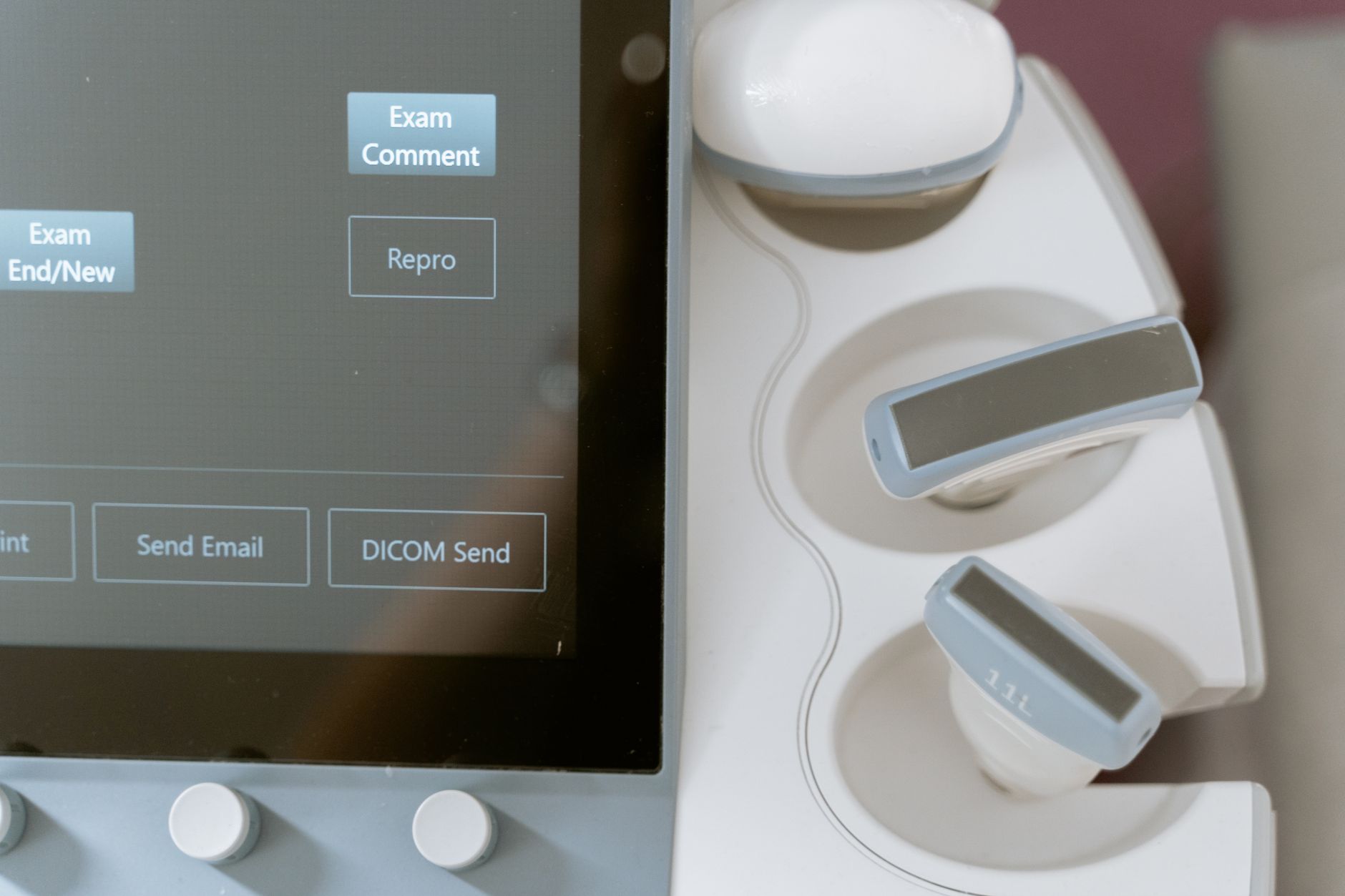
- A "bright" or "echogenic" liver noted on an abdominal ultrasound, sometimes graded I to III.
- A FibroScan — a quick, painless scan that gives a CAP score for liver fat and a stiffness number for fibrosis (scarring). This is the most useful single test if your liver is flagged.
If your ALT is up or your ultrasound says "grade I fatty liver," don't shrug it off as normal. Ask your doctor whether a FibroScan and a fasting blood-sugar and lipid check are worth doing.
Why a "mild" diagnosis isn't harmless
Most fatty livers stay stable. But in a slice of people, simple fat turns into inflammation — now called MASH (metabolic dysfunction-associated steatohepatitis). Repeated inflammation lays down scar tissue, and the path can run: fat → MASH → fibrosis → cirrhosis → in some cases liver cancer (hepatocellular carcinoma).
Fatty liver is now one of the fastest-growing reasons for liver transplants worldwide, and it raises your risk of heart attack and stroke even more than your risk of liver failure. The liver is the canary; the heart is often where the danger lands.
The encouraging part: progression is slow and, in the early stages, reversible. The liver is one of the body's great regenerators.
How to actually reverse it
There is no magic pill that clears liver fat for most people — the work is metabolic. In 2024 the first dedicated drug, resmetirom, was approved abroad for moderate-to-advanced MASH, but it's for select patients under specialist care, not a substitute for the basics. The single most powerful intervention remains losing fat — especially visceral fat.
The evidence is strikingly specific: losing about 7-10% of your body weight can clear most liver fat and even reverse early scarring. For lean people, the goal is less about the scale and more about shrinking the waist and building muscle. A practical playbook:
- Cut liquid sugar first. Drop colas, packaged juices, sweetened coffees and energy drinks. This is the highest-yield change you can make.
- Tame refined carbs. Swap white rice and maida for smaller portions, more whole grains, dal, vegetables and protein. You're trying to flatten insulin spikes.
- Move muscle daily. Combine 150 minutes a week of brisk walking with two strength sessions. Muscle is a sink for blood sugar.
- Measure your waist, not just your weight. Aim for a waist-to-height ratio under 0.5 — keep your waist below half your height.
- Fix the neighbours. Get diabetes, blood pressure and cholesterol controlled; they feed the liver problem.
- Be cautious with supplements and painkillers. Don't add liver stress with unverified "detox" pills; vitamin E and certain drugs should only be used on medical advice.
Coffee, interestingly, shows a consistently protective signal — a couple of unsweetened cups a day is fine and may even help.
The bottom line
Fatty liver in non-drinkers is not a niche curiosity; it's becoming the default liver disease of urban India, and it doesn't wait for you to look unhealthy. The reassuring flip side is that it responds to exactly the changes that also protect your heart and ward off diabetes. If a recent report flagged a bright liver or a slightly high ALT, treat it as an early, fixable warning — measure your waist, cut the sugar, get moving, and ask about a FibroScan. The organ that quietly took the damage is also the one most willing to heal.