Photo: MART PRODUCTION / Pexels
Slim But Fatty Liver? The 'Thin-Fat' Indian Risk Explained
Here is an uncomfortable truth that surprises most people: you can be slim, fit into your old jeans, and still have a fatty liver. Doctors call this lean MASLD — metabolic dysfunction-associated steatotic liver disease in people with a normal body weight. In India, where millions assume a low number on the scale means a clean bill of health, it is quietly becoming one of the most under-diagnosed conditions in the clinic.
MASLD is the new global name for what used to be called NAFLD (non-alcoholic fatty liver disease). The rename, agreed by liver specialists in 2023, shifts the focus from what you don't do — drink alcohol — to what is actually driving the disease: a metabolism under strain. And in India, that strain does not wait for you to become visibly overweight.

The 'thin outside, fat inside' problem
The phrase researchers use is TOFI — thin outside, fat inside. You may look lean, but fat can still pack itself around your liver, pancreas and intestines as visceral fat, the dangerous kind that wraps your organs rather than sitting under the skin.
South Asians are genetically primed for this. We tend to carry more body fat and less muscle at any given weight than people of European descent, and we store fat centrally — around the belly and the organs. Scientists describe this as the metabolically obese, normal weight phenotype: the body behaves as if it is obese even though the scale and the BMI chart say otherwise.
That is why a 28-year-old software engineer with a 'normal' BMI of 23, a desk job, sugary chai through the day and zero exercise can have more liver fat than a heavier person who lifts weights and walks daily. The liver does not read your BMI. It reads your lifestyle.
How common is it really?
Fatty liver is not a fringe condition in India. Pooled estimates suggest roughly one in three Indian adults has some degree of MASLD, and several studies of urban office workers put the figure even higher. It is showing up in IT employees, in young professionals, and increasingly in teenagers.
The lean variety is a big slice of this. Indian and broader Asian data suggest a substantial share of fatty-liver patients are not obese at all — in some hospital and donor studies, around a third of lean individuals screened showed signs of the disease. Put simply, being thin offers far less protection than people assume.
What makes lean MASLD sneaky is that it is invisible. There is no pain, no swelling, no obvious symptom in the early stages. Many people discover it by accident — an ultrasound for something unrelated, or a routine health check that flags raised liver enzymes.
Why it matters more than it sounds
A bit of fat in the liver sounds harmless. It is not always so. In a minority of people, simple fat progresses to inflammation and scarring (the stage doctors call steatohepatitis), then to fibrosis, and in the worst cases to cirrhosis or liver cancer — sometimes without the person ever touching alcohol.
There is a second, bigger reason to care. A fatty liver is an early warning light for the whole metabolic system. It travels with insulin resistance, and people with MASLD face a sharply higher risk of type 2 diabetes and heart disease — the two conditions that already account for a huge share of premature death in India. The liver, in other words, is often the first organ to raise its hand before diabetes or a cardiac event arrives.
Worryingly, some research suggests lean patients are not necessarily 'milder' cases. Because they slip past the usual weight-based screening, they can be diagnosed later, when there is already more damage.
How to actually find out if you have it
The good news: checking is cheap and quick. If you are over 30, have a family history of diabetes, carry weight around the middle, or live a largely sedentary life, it is worth asking your doctor for a basic liver work-up. Don't wait for symptoms — there usually aren't any.
A sensible first round looks like this:
- Liver function blood tests — especially ALT and AST, the enzymes that leak out when liver cells are stressed.
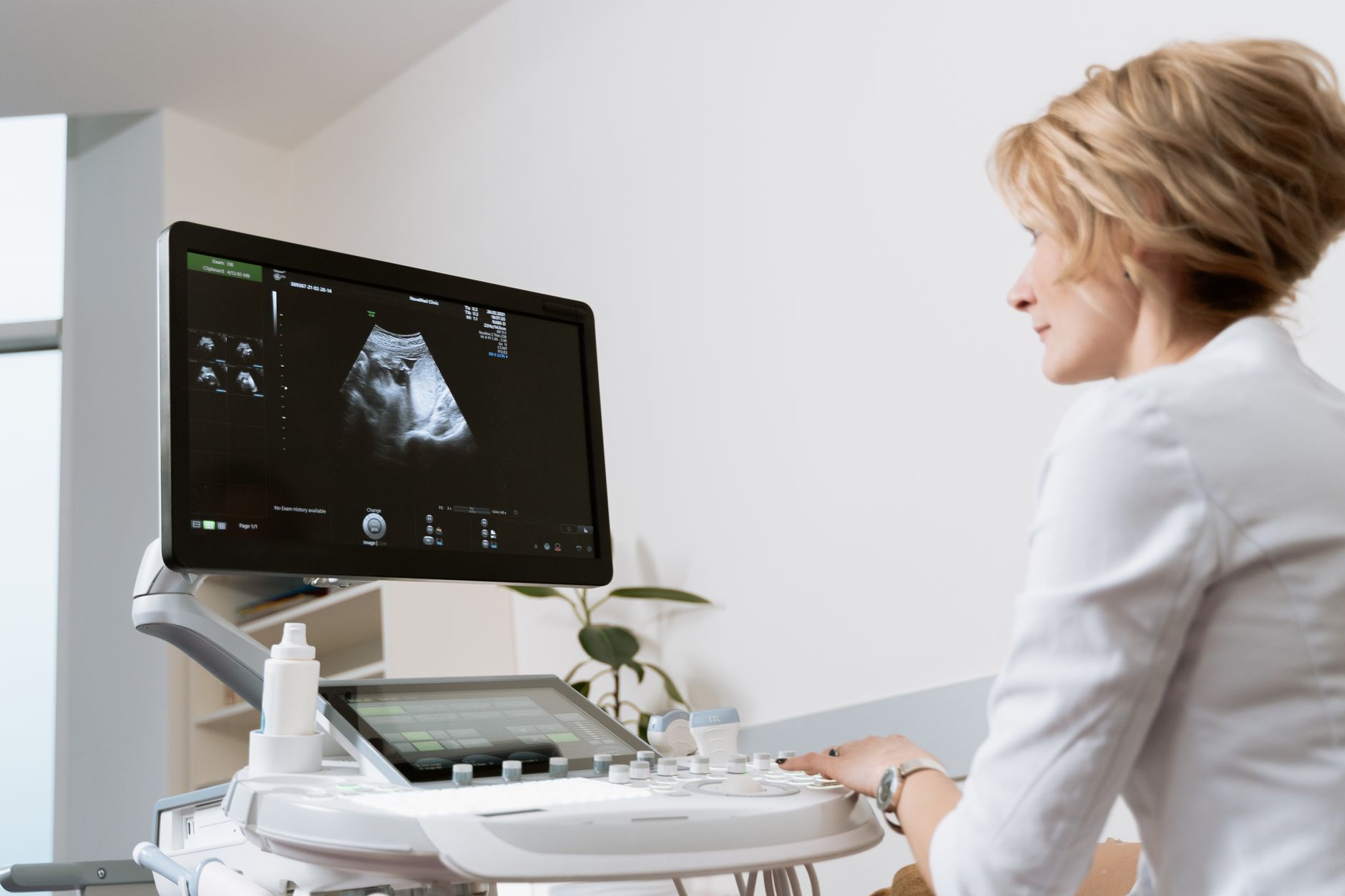
- A liver ultrasound — the standard, painless first scan to spot fat in the liver.
- A waist measurement — a better red flag than BMI. Indian guidelines flag risk at roughly a waist over 90 cm for men and 80 cm for women.
- A FibroScan, if your doctor wants to grade how much fat and scarring is present.
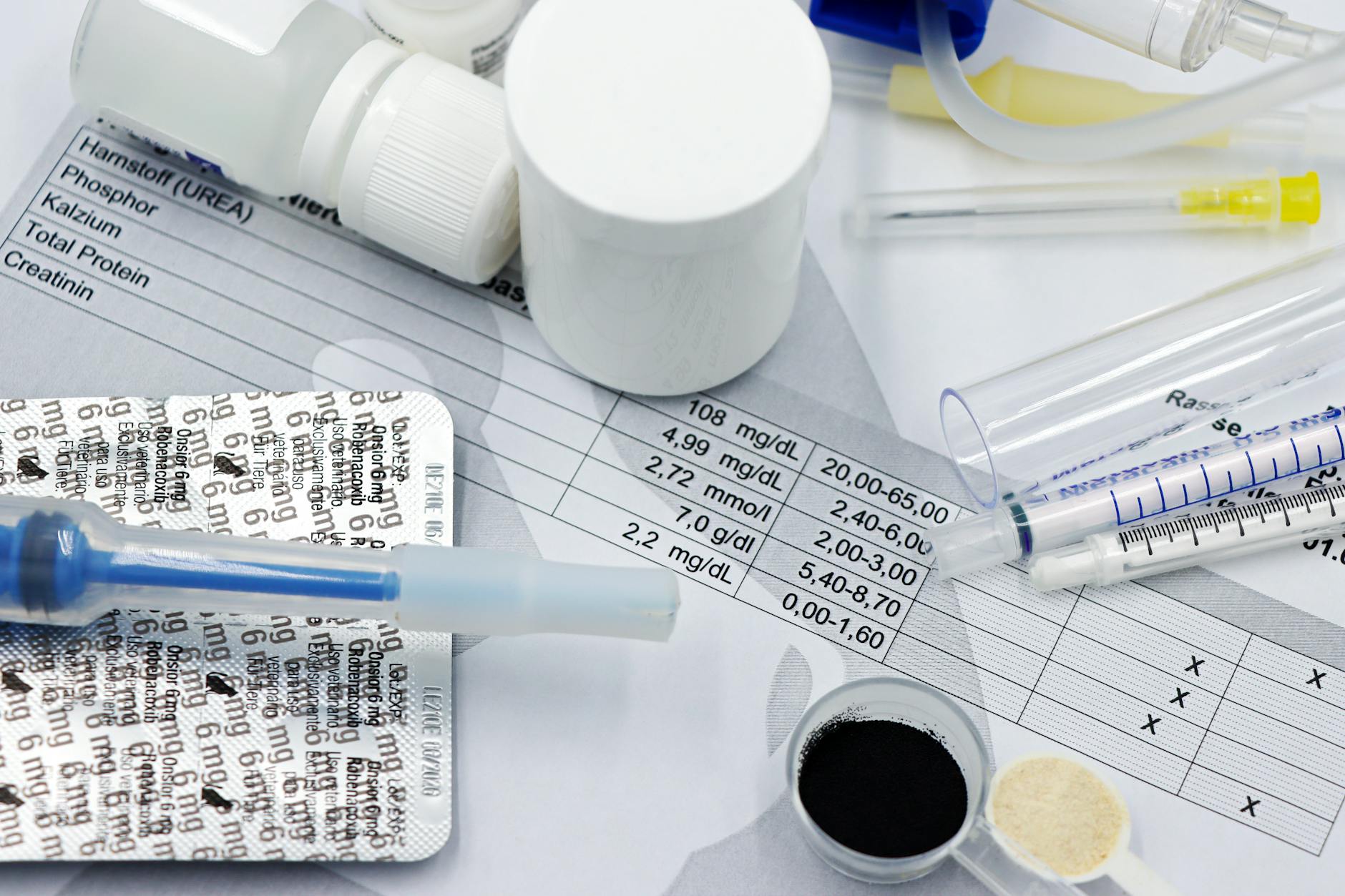
Don't be falsely reassured by a normal weight or even normal blood tests alone — enzymes can sit in the normal range while fat is still building. The combination of waist size, ultrasound and bloods gives a far truer picture.
What reverses it — and what doesn't
Here is the genuinely hopeful part. Early fatty liver is one of the most reversible chronic conditions there is. There is no magic pill — the treatment is metabolic, and it works.
- Cut the sugar and refined carbs first. White rice, maida, biscuits, sweets and especially sugary drinks and fruit juice hit the liver hard. Fructose in particular is processed almost entirely by the liver and converted to fat. This matters more than cutting dietary fat.
- Lose a modest amount of weight — even if you're slim. Shedding around 7-10% of body weight is strongly linked to clearing liver fat and reducing inflammation. For a lean person, even losing visceral fat while the scale barely moves helps.
- Build muscle. Strength training and brisk walking improve insulin sensitivity, and muscle acts as a sink for the blood sugar that would otherwise overload the liver. For thin-fat Indians, adding muscle can matter as much as losing fat.
- Move every day. Around 150 minutes a week of moderate activity is the standard target. Breaking up long sitting spells is itself protective.
- Mind the hidden hits. Crash diets, certain supplements and unsupervised protein or steroid use can worsen liver stress. So can untreated high triglycerides and uncontrolled blood sugar — treat those alongside.
Alcohol is not the cause of MASLD, but it adds insult to injury; if you already have a fatty liver, cutting back genuinely helps.
The takeaway for slim Indians
The old mental model — thin equals healthy — is the trap. Lean MASLD is the body's way of saying that metabolic health and body weight are not the same thing. You can be a size you're proud of and still be metabolically in trouble.
The fix is not panic; it is awareness. Get the waist measured, get the ultrasound and the ALT/AST done, swap the sugary drink for water, walk daily and lift something heavy a couple of times a week. The liver is remarkably forgiving when you catch it early — which is exactly why the slim, symptom-free reader is the one who should check first.