Photo: Pixabay / Pexels
Skinny Fat: Why Slim Indians Face a Hidden Diabetes Risk
If your weighing scale says you are fine and your BMI sits in the "normal" band, you might assume you have nothing to worry about. For millions of Indians, that assumption is quietly dangerous. A growing body of research describes a phenotype that doctors call the thin-fat Indian — someone who looks slim, weighs little, but carries a disproportionate amount of hidden fat wrapped around the liver, pancreas and gut. This is the body type that lets diabetes, high blood pressure and heart disease creep up on people who never once considered themselves overweight.
The idea is finally moving from research journals into national policy. The Indian Council of Medical Research (ICMR) is working toward India's first dedicated national obesity guidelines, expected around mid-2026, and they are likely to redraw the lines on who counts as at-risk. The headline shift: stop trusting the bathroom scale alone, and start paying attention to where the fat actually sits.
What 'Skinny Fat' Actually Means
In the medical literature this condition travels under several names — normal-weight obesity, metabolically obese normal weight, and the vivid acronym TOFI, "thin outside, fat inside." The common thread is a mismatch. On paper, the person has a healthy Body Mass Index (BMI), the ratio of weight to height that has dominated health screening for decades. Under the skin, the picture is different: a high body-fat percentage, low muscle mass, and crucially, a lot of visceral fat — the deep, metabolically active fat that packs around internal organs rather than sitting harmlessly under the skin.
Visceral fat is not a passive storage depot. It behaves almost like a hormone-secreting organ, pumping out inflammatory signals and fatty acids that interfere with how the body handles insulin. The result is insulin resistance, abnormal cholesterol, chronic low-grade inflammation and rising blood sugar — the full pre-diabetic cocktail — in a person whose silhouette suggests perfect health. That is exactly what makes the skinny-fat profile so treacherous: there is no visible warning sign to prompt a check-up.

Why Indians Are Especially Vulnerable
The thin-fat phenotype is not unique to India, but South Asians appear genetically primed for it. A landmark comparison published in the early 2000s captured the paradox neatly: an Indian and a European man could share an almost identical, perfectly normal BMI, yet the Indian carried noticeably more body fat. Researchers since have shown that people of Indian origin tend to deposit fat viscerally — around the organs — at lower body weights than Western populations, while carrying comparatively less protective muscle.
Much of this may be set before birth. The well-known Pune research on maternal nutrition described Indian newborns as "thin-fat" babies — small and light, but relatively fat-preserving, especially around the abdomen. The leading interpretation is a thrifty, adaptive response to generations of nutritional scarcity: a body built to hoard energy efficiently. That programming was an asset in lean times. Dropped into an era of cheap calories, sedentary office jobs and refined carbohydrate-heavy diets, the same biology becomes a liability, fast-tracking metabolic disease.
The scale of the problem is enormous. India is now home to the world's largest population of adults with type 2 diabetes — on the order of 100 million people, according to the ICMR–INDIAB national study. A striking share of that burden sits in people who would never be flagged as obese by conventional measures.
The Numbers Behind the Phenotype
The data on "metabolically obese, normal weight" Indians is sobering. Analyses cited in the run-up to the new ICMR guidelines suggest that something like 43% of Indian adults fall into a category where BMI looks normal but metabolic health does not — low protective HDL cholesterol, raised blood pressure, disturbed blood sugar.
Regional studies sharpen the point. In one Gujarat-based body-composition study, roughly 45% of participants with a normal BMI turned out to have high body fat and visceral fat. Within that supposedly "healthy-weight" group, around half showed elevated fasting glucose, a large fraction had significant insulin resistance, and many had raised HbA1c — the marker used to diagnose and track diabetes. In other words, normal weight offered no real protection at all.
This is the central indictment of BMI as a screening tool for Indians. It was derived largely from European populations and measures total mass, not fat distribution. For a body type that hides its risk internally, BMI is close to blind.
What the New ICMR Guidelines May Change
Two shifts are expected as India formalises its obesity framework. The first is lower BMI thresholds. Asian-Indian-specific cut-offs already proposed in clinical practice treat a BMI of around 23 as the start of the overweight range — rather than the global 25 — and roughly 27.5 as obesity instead of 30. The logic is simple: if Indians develop diabetes and heart disease at lower weights, the danger line should be drawn lower too.
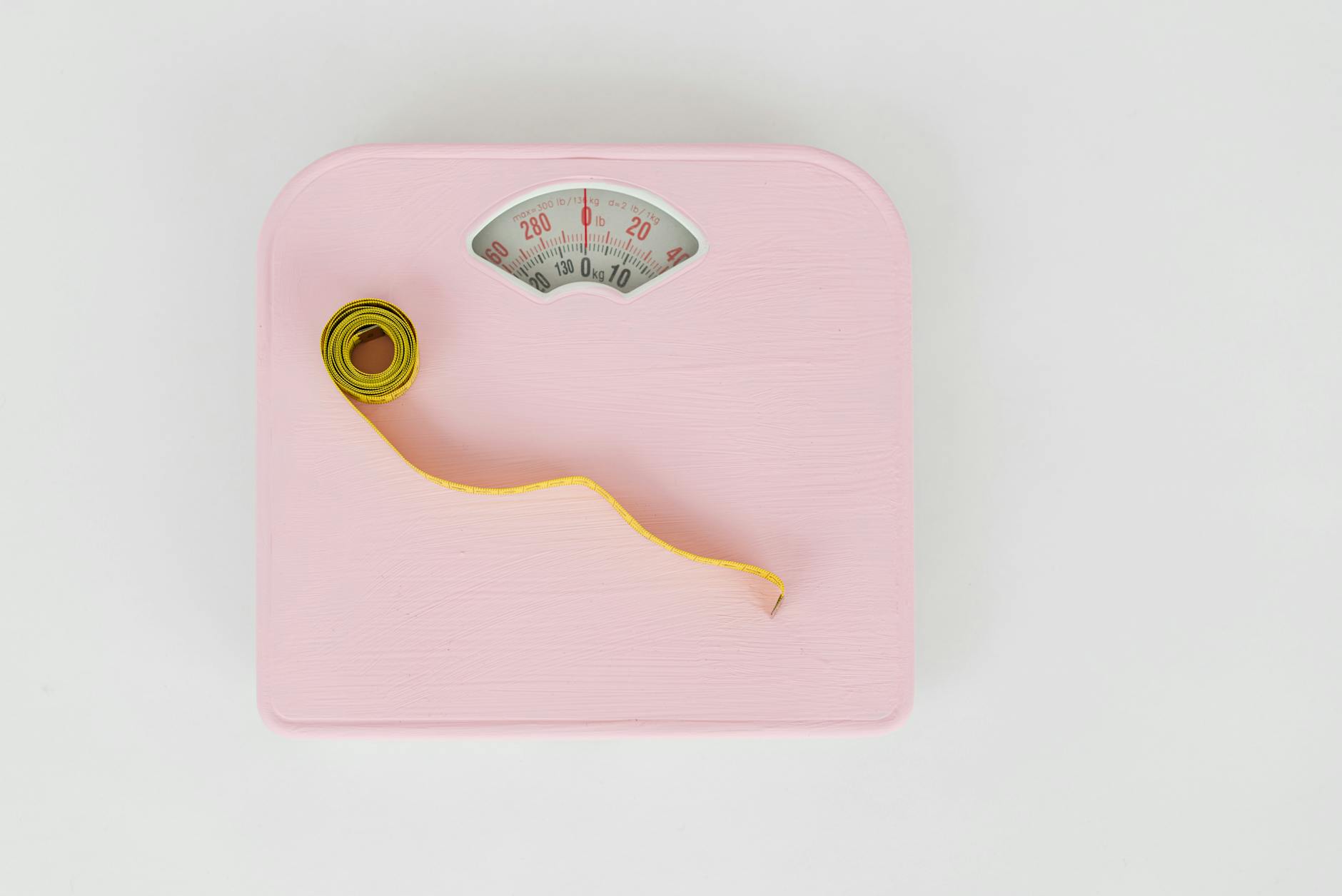
The second, and arguably more important, shift is a move away from weight as the headline metric toward waist circumference and waist-to-hip ratio. These cheap, tape-measure measurements capture abdominal and visceral fat far better than weight alone. Commonly used Asia-Pacific thresholds flag risk at a waist of roughly 90 cm or more for men and 80 cm or more for women. A person can clear the BMI bar comfortably and still blow past the waist threshold — and it is the waistline that tracks more closely with metabolic danger. Expect future screening to lead with the measuring tape, not just the scale.
How to Actually Know Where You Stand
If BMI cannot be trusted on its own, what should an individual watch? A few practical markers move the assessment in the right direction without needing a laboratory:
- Waist circumference. Measure at the navel, relaxed, after a normal breath. A rising waistline is one of the simplest red flags for visceral fat.
- Waist-to-height ratio. A useful rule of thumb is keeping your waist under half your height. It travels well across body types.
- Routine blood work. Fasting glucose, HbA1c, a lipid profile and blood pressure reveal metabolic trouble long before symptoms appear — and long before a scale would.
- Body composition, where available. Tools that estimate fat versus muscle give a fuller picture than weight alone.
The point is not to induce panic in every slim person, but to retire the false comfort that thinness equals health.
Why This Matters Beyond the Individual
The skinny-fat story reframes one of India's biggest public-health challenges. For years, prevention messaging has centred on visible obesity. But if nearly half the adult population can be metabolically unhealthy at a normal weight, then a screening system built around BMI is missing a huge slice of future patients — precisely the people who could benefit most from early intervention.
The encouraging news is that the underlying risk is highly modifiable. Visceral fat is among the first fat to respond to lifestyle change: resistance and strength training to build the muscle Indians often lack, a shift away from refined carbohydrates and sugary drinks toward fibre and protein, better sleep, and consistent everyday movement. Muscle acts as a metabolic sink for glucose, which is exactly why building it matters more for this phenotype than chasing a lower number on the scale.
What comes next is largely a question of measurement and mindset. As ICMR's guidelines land and clinics begin leading with waist measurements and metabolic markers rather than weight, the hope is that the thin-fat Indian stops being an invisible patient. For readers, the takeaway is immediate and free: pull out a tape measure, check your waist, and book the blood tests. Looking slim is not the same as being healthy — and for Indian bodies in particular, that distinction can be the difference between catching diabetes early and being ambushed by it.
Source: ocacademy.in