Photo: cottonbro studio / Pexels
Work Stress: Sleep and Diet Protect You More Than the Gym
For years, the standard prescription for a stressful job has been almost reflexive: hit the gym. Sweat it out. Burn off the cortisol on a treadmill or in a spin class. But a sweeping new analysis of a decade's worth of data suggests this advice may be aimed at the wrong target. When it comes to protecting your body from the slow grind of chronic work stress, sleep and a decent diet appear to do far more heavy lifting than exercise does, and that finding upends a lot of what corporate wellness culture has been selling.
The study, published in 2026 in the journal Occupational Health Science, tracked nearly 2,900 working adults over ten years. Its conclusion is quietly provocative: not all healthy habits are equal when the threat is a relentless, draining job. For India's vast, ambitious and increasingly exhausted white-collar workforce, the implications are worth sitting with.
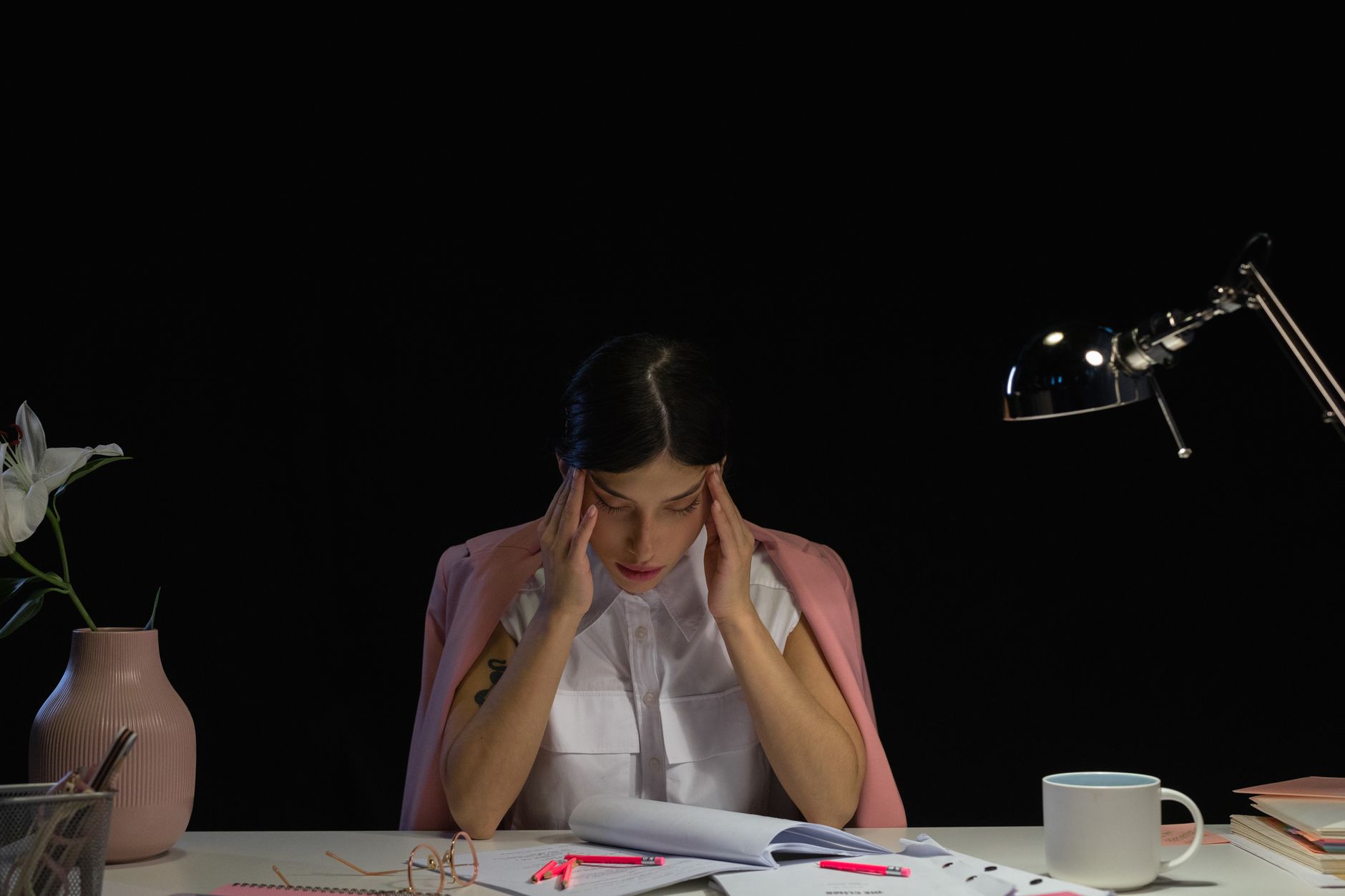
What the researchers actually found
The team behind the paper, including occupational-health researchers from Canadian universities, drew on the long-running Canadian National Population Health Survey, following 2,871 employed people across roughly a decade. They examined five common preventive health behaviours, nutrition, physical activity, sleep quality, alcohol use and smoking, and asked a precise question: which of these, if any, actually weakens the link between work stress and declining general health over time?
The answer was not the one most wellness apps would predict. Sleep quality emerged as the single strongest buffer. People who slept well seemed to absorb the health toll of a stressful job far better than poor sleepers. Nutrition also showed a meaningful protective effect. Alcohol use moderated the relationship too, though in a tangled way that the authors caution is likely about confounding factors rather than any benefit of drinking.
Exercise was the surprise. Frequent physical activity was, as expected, tied to better overall health. But it did not significantly soften the specific relationship between work stress and health. In other words, regular workouts made people healthier in general, yet they did not appear to shield the body from the particular damage that chronic job strain inflicts.
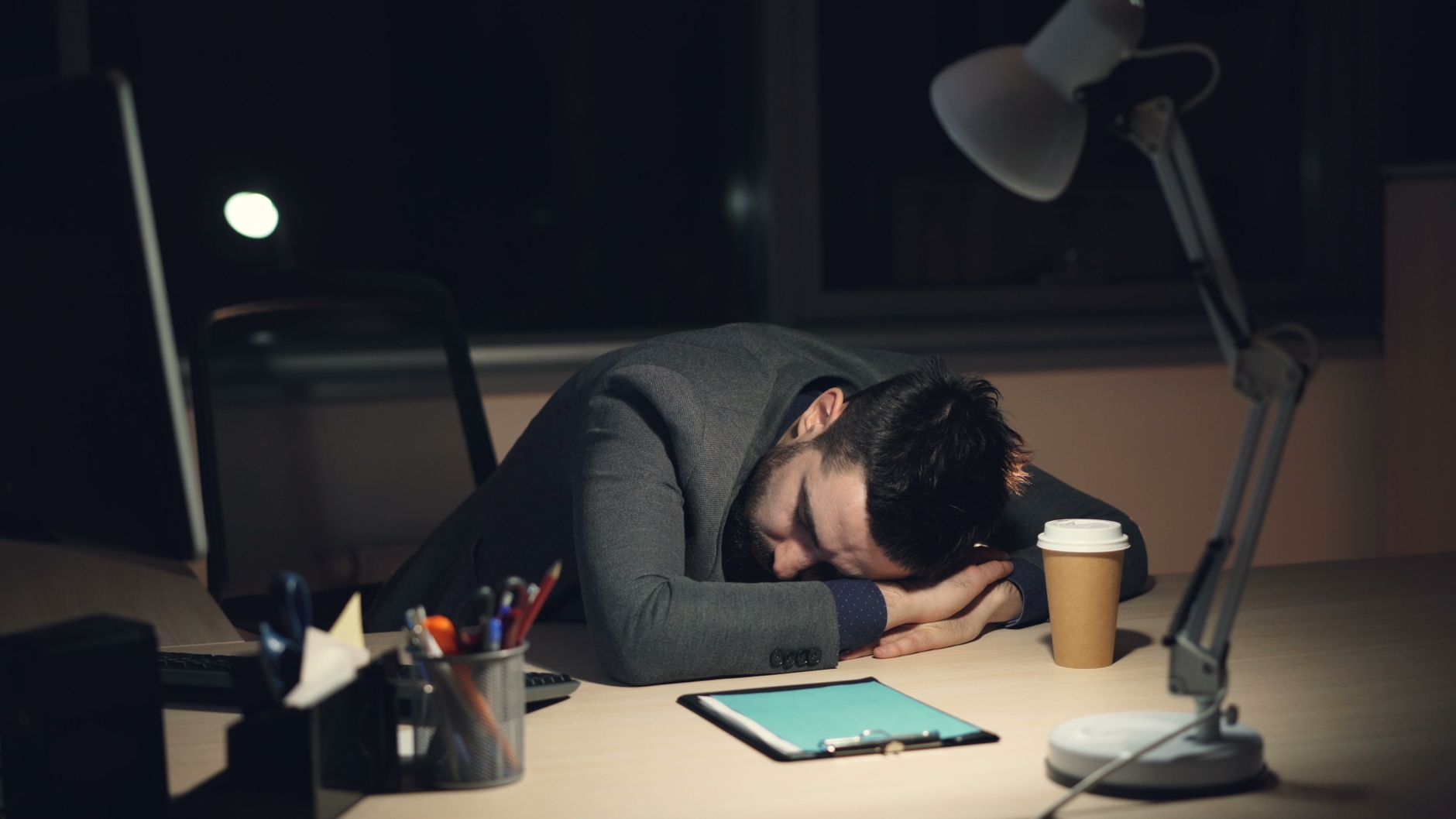
Why sleep does the heavy lifting
The researchers frame sleep as something like a foundational resource, the base layer on which other good habits are built. Their reasoning is intuitive once you hear it. Rest supports attention, emotional regulation and recovery, and it underpins the self-control you need to keep up every other healthy behaviour in the first place. When you are well slept, you are more likely to cook a proper meal, less likely to reach for a third coffee or a late-night drink, and better able to regulate the irritation a difficult workday produces.
Deprive someone of sleep and the whole edifice wobbles. The exhausted brain craves quick energy and easy comfort, which is why a bad night so often ends with junk food and a short fuse. Stress and poor sleep also feed each other in a loop: a punishing job keeps you up, and the resulting fatigue makes the same job feel even more punishing the next day. Breaking that cycle, the study implies, may be the highest-leverage move a stressed worker can make.
That does not mean exercise is worthless. The authors are careful here, noting that the result could partly reflect how activity was measured in the survey, or that exercise simply helps health in ways that are real but not specifically stress-buffering. A run still does wonderful things for your heart and mood. It just may not be the magic antidote to a toxic workload that gym marketing implies.
Why this lands hard in India
India is in the middle of a quiet work-stress epidemic, and the timing of these findings could not be sharper. Surveys of Indian professionals routinely report high levels of burnout, anxiety and exhaustion, especially in IT, finance, startups and the gig economy. The cultural script glorifies long hours, the always-on hustle, and a willingness to sacrifice rest for ambition. Sleep, in this telling, is for the unmotivated.
The new research suggests that script is biologically backwards. The very thing high-achievers are most willing to give up, sleep, is the thing most likely to protect them from the health costs of the pressure they are under. India also faces a parallel crisis in metabolic health, with rising rates of diabetes and heart disease often appearing at younger ages and lower body weights than in Western populations. Chronic stress and chronic sleep deprivation are known accelerants of exactly these conditions.
Meanwhile, the booming Indian wellness market, run clubs, boutique gyms, fitness wearables, frames movement as the centrepiece of self-care. None of that is bad. But if a young professional is sleeping five hours, skipping meals and surviving on delivery food while crushing 5 a.m. workouts, this study hints the priorities may be misordered. The workout is the dessert, not the foundation.
The wearable trap
There is a deeper irony for the gadget-obsessed corner of the wellness world. Many people now own a smartwatch or ring that tracks their sleep with startling detail, yet they treat the sleep score as a vanity metric while chasing the step count and the workout rings. This research flips the hierarchy of what those devices are telling you. The sleep data may be the most clinically meaningful number on the screen, especially for someone in a high-stress role.
Used well, that information could nudge behaviour in the right direction: protecting a consistent bedtime, dimming screens, guarding against the late-night work email that steals an hour of rest. The technology is already in millions of Indian pockets and on their wrists. The missing piece is the cultural permission to take its sleep readings as seriously as its fitness ones.
The caveat that matters most
For all the practical advice buried in the data, the authors deliver a pointed warning that deserves equal billing. Healthy habits, they stress, do not excuse unhealthy work design. Their position is blunt: wellness interventions cannot compensate for a job that is structured to exhaust people, and employees should not be expected to sleep or meal-prep their way out of unreasonable workloads and poor management.
This is a crucial corrective to the way corporate wellness is often deployed, as a way of shifting responsibility onto individuals. A free meditation app or a step-count challenge is a poor substitute for sane hours, realistic deadlines and managers who do not message at midnight. The study positions personal habits as complementary to, never a replacement for, broader organisational change. For Indian companies fond of perks like gym memberships and sleep pods while quietly normalising 70-hour weeks, that is an uncomfortable mirror.
What to actually do with this
The takeaways are refreshingly low-tech and free. If you are in a demanding job, treat sleep as non-negotiable infrastructure rather than a luxury you earn after the work is done. Protect a regular sleep window, even modestly, and the research suggests the returns compound across your whole health profile. Pay attention to what you eat under pressure, since nutrition was the second-clearest buffer and is often the first thing to collapse on a hard week.
Keep exercising, by all means, for your heart, your weight and your head. Just stop expecting it to neutralise a job that is steadily wearing you down. And if your workload is genuinely unsustainable, recognise that no amount of personal optimisation can fully offset it, the fix there is structural, not personal. The most radical wellness advice of 2026, it turns out, might simply be this: go to bed.
Source: theconversation.com