Photo: Oriel Frankie Ashcroft / Pexels
Mamdani Launches NYC Pride With Trans Rights Campaign
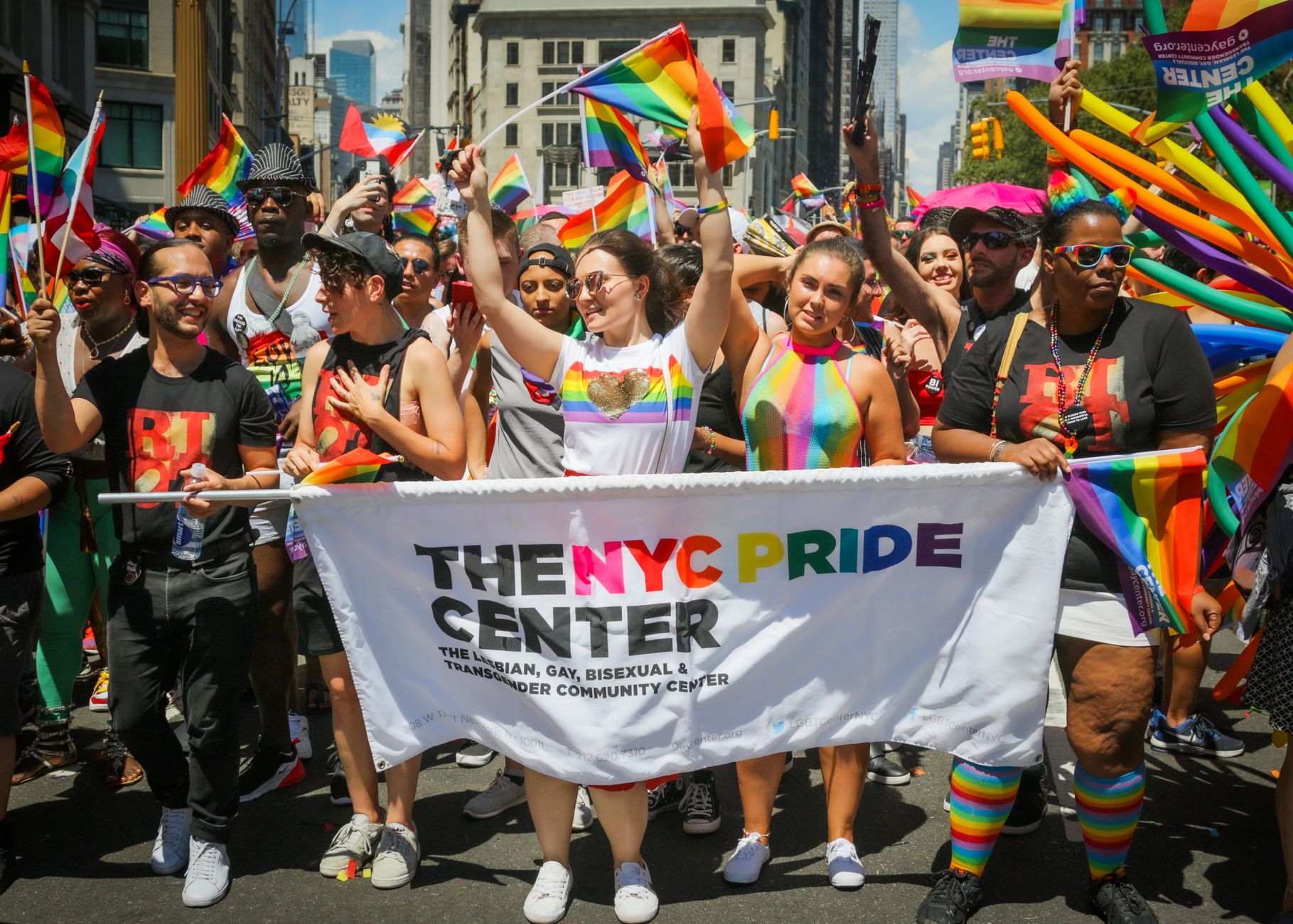
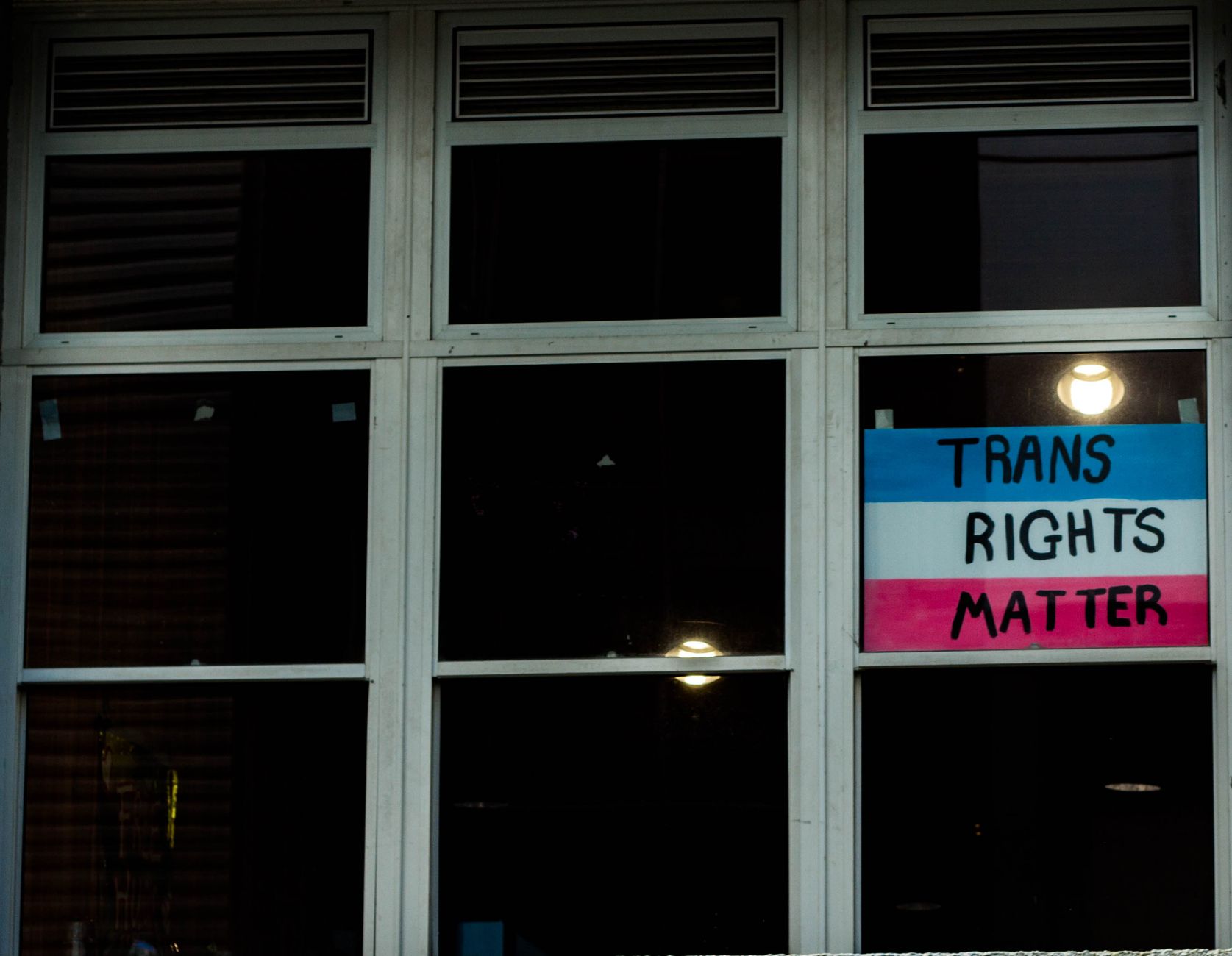
New York City's newest mayor opened Pride Month with a statement that travelled far beyond Manhattan. On the first day of June, Zohran Mamdani and the city's Commission on Human Rights launched a campaign with a blunt, three-word slogan that has become a global rallying cry: "Trans Rights Are Human Rights." It is a small initiative on paper — posters, banners and digital kiosks — but it landed as a deliberate political signal, and it carries a strong India connection that most local US coverage skips entirely.
For readers in India, the headline is doubly interesting. The man behind the campaign is the son of one of India's most celebrated filmmakers, and the policy he is championing speaks directly to a debate India settled in its own courts more than a decade ago. Here is what the campaign actually does, why the timing matters, and how it maps onto India's own journey on transgender rights.
What the 'Trans Rights Are Human Rights' campaign actually does
The campaign is not a new law. It is a public-awareness drive designed to remind New Yorkers — trans residents and everyone else — about protections that already exist on the books. The city's Human Rights Law already bars discrimination based on gender identity or gender expression across three big areas of daily life:
- Housing — landlords cannot refuse or evict on the basis of gender identity.
- Employment — hiring, firing and workplace treatment are covered.
- Public spaces — shops, restaurants and services must not discriminate.
The law also prohibits retaliation, bias-based harassment and discriminatory profiling by law enforcement. Through June, informational graphics and banners designed by artist Dez Stavracos are appearing on public transit, in print advertisements and on electronic kiosks across the five boroughs, spelling out exactly what rights transgender and gender-nonconforming residents are already entitled to.
The campaign was run jointly by the NYC Commission on Human Rights, the Mayor's Office of LGBTQ+ Affairs and the city's health department. In other words, it is less about creating rights and more about making sure people know how to use the ones they have.
Why Mamdani launched it now
Timing is the whole point. The campaign opened on day one of Pride Month, the annual June season of LGBTQ visibility, and it was framed explicitly as a counterweight to a hostile national climate. Mamdani argued that as the federal government fuels attacks on trans people across the country, New York City would protect their rights and stand beside them without hesitation.
There is hard data behind the urgency, too. City figures show that complaints based on gender identity climbed from around 5% of all human-rights complaints a few years ago to nearly 20% — described as the highest share in five years. Whether that reflects more discrimination, more reporting, or both, it gave the new administration a concrete reason to act. For a mayor who promised during his campaign to defend trans New Yorkers, opening Pride with this message was a way to convert a slogan into visible policy within months of taking office.
The India connection most coverage misses
Here is the angle that makes this a GeneralNews story. Zohran Mamdani is not just any American politician. He was born in Kampala, Uganda, to the Indo-Ugandan scholar Mahmood Mamdani and the Indian filmmaker Mira Nair — the director behind Monsoon Wedding, Salaam Bombay! and The Namesake. That makes the mayor of America's largest city a son of Indian cinema's own royalty.
Mamdani moved to New York as a child, studied at the Bronx High School of Science and graduated from Bowdoin College in 2014. Before City Hall, he spent four years in the New York State Assembly representing Astoria, Queens, an area with a large South Asian population. On 1 January 2026, at the age of 34, he was sworn in as the 112th mayor of New York City — and the city's first Muslim, first South Asian and youngest mayor in more than a century. He took the oath on the Quran, including a copy that belonged to his grandfather.
For Indian readers, that biography reframes the story. A figure with deep roots in the Indian diaspora is now using one of the most powerful municipal platforms in the world to push a cause that India's own institutions have wrestled with — and, in important ways, already advanced.
How India's own trans-rights laws compare
The slogan on those New York banners would not be controversial in an Indian courtroom. India recognised the rights of transgender people at the highest level long before this campaign existed.
- The NALSA judgment (2014): The Supreme Court of India formally recognised a third gender and affirmed every person's right to self-identify their gender. It directed governments to treat transgender people as a socially and educationally backward class eligible for affirmative action.
- The Transgender Persons (Protection of Rights) Act, 2019: This law prohibits discrimination against transgender people in education, employment, healthcare and access to public services, and created a framework for identity certificates.
- Welfare measures: Subsequent rules set up a national portal for identity certificates and pushed for welfare boards, though implementation has been uneven across states.
The gap between India and New York is less about whether rights exist and more about enforcement and everyday dignity. Activists in both countries make the same point: laws on paper mean little if a trans person is still turned away from a flat, a clinic or a job. Mamdani's campaign — essentially an exercise in telling people their rights are real and usable — is the kind of awareness push Indian advocates have long argued is missing at home.
The politics and the pushback
None of this happens in a vacuum. Mamdani governs as a self-described democratic socialist, and his early moves — including establishing a dedicated Mayor's Office of LGBTQ+ Affairs — have made him a lightning rod. Supporters see a mayor delivering exactly what he promised. Critics argue that symbolic campaigns are easier than fixing the city's bigger problems of cost, housing and safety.
Reports also suggest the campaign will draw fire from conservative commentators who oppose city-funded messaging on gender identity, especially at a moment when trans issues are deeply polarising in American politics. Mamdani appears to be betting that visible, unapologetic support is itself the message — that in a year of rollbacks elsewhere, a major city planting a flag matters.
What comes next
The banners will stay up through June, after which the real test begins: whether awareness translates into fewer complaints and faster action when discrimination is reported. Watch for three things. First, whether the complaint numbers shift in the city's next reporting cycle. Second, whether the new LGBTQ+ affairs office moves from symbolism to services. And third, how Mamdani balances these social commitments against the kitchen-table economics that won him the election.
For an Indian audience, the broader takeaway is simpler. A diaspora son of Indian cinema is now shaping civil-rights debates on a world stage — and the conversation he is leading in New York rhymes, almost word for word, with one India had in its own Supreme Court back in 2014. The slogan crosses borders easily. The hard work of making it true, in Queens or in Mumbai, is the part that still takes effort.