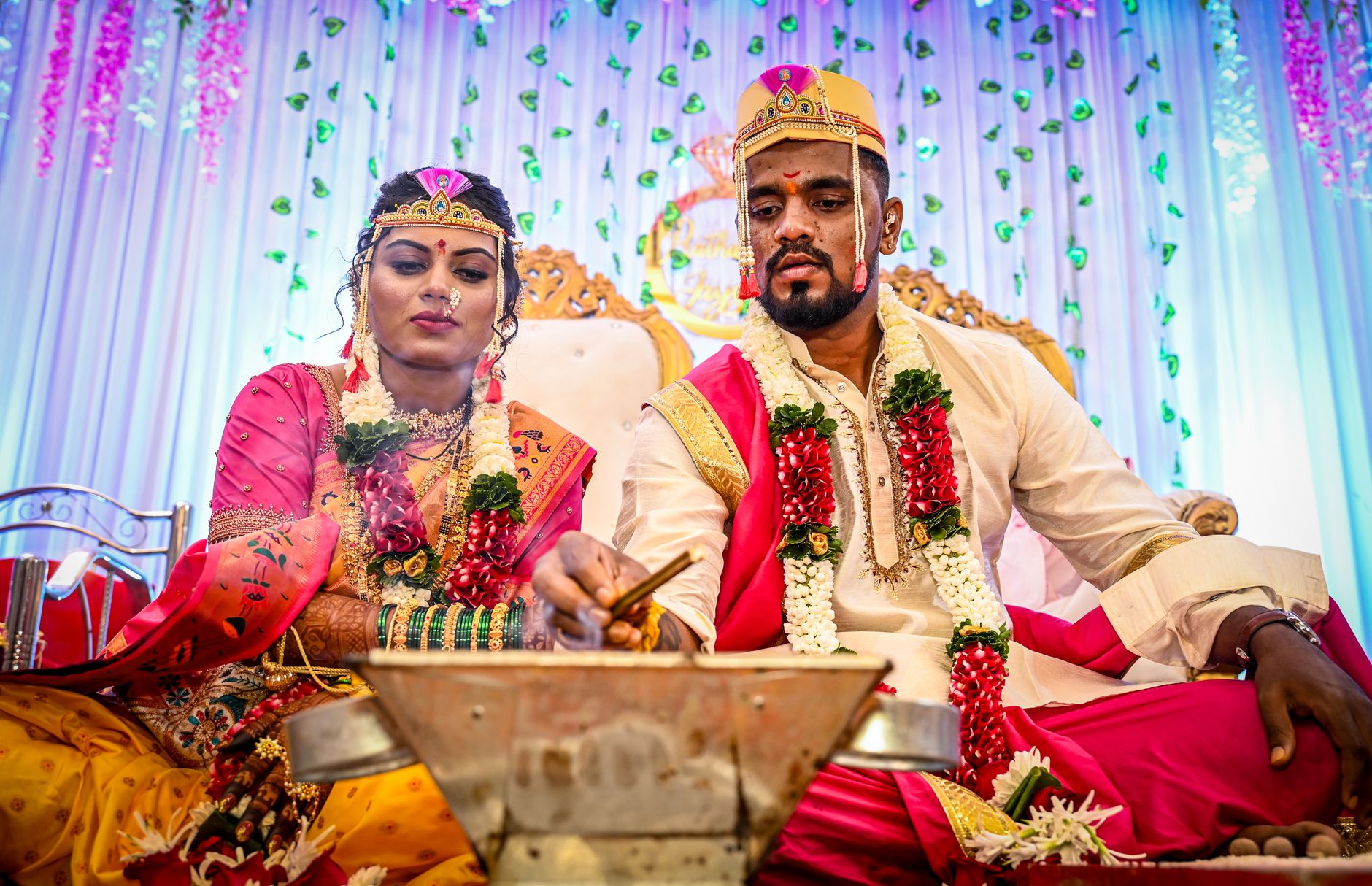
Photo: Sagar Ambator / Pexels
Mangal Dosha Myths Busted: What Actually Decides a Match
Few three-word phrases can derail an Indian wedding faster than "the boy is Manglik" — or the girl. For generations, Mangal Dosha (also called Manglik Dosha, Kuja Dosha or Chevvai Dosham) has been treated as a deal-breaker, a reason to call off engagements, delay weddings, or marry off a person to a tree first. But strip away the fear and the picture is far less dramatic. Most of what families panic about is folklore layered on top of a fairly narrow astrological condition.
This explainer separates the Manglik myths from what classical astrology actually says — and what marriage counsellors insist matters far more than any planet.

What Mangal Dosha really is
In Vedic astrology, a person is called Manglik when Mars (Mangal) occupies certain houses in the birth chart. The commonly cited positions are the 1st, 2nd, 4th, 7th, 8th and 12th houses measured from the ascendant — and in several traditions also from the Moon and Venus. These houses touch on temperament, family, marriage, intimacy and expenses, which is why Mars there is read as a source of friction.
The logic is straightforward: Mars is a fiery, assertive, impatient planet. Placed in zones linked to partnership, it is believed to make a person hot-tempered, dominating or restless in close relationships. That is the entire technical basis. Everything heavier than that — death, ruin, doom — is cultural embroidery, not scripture.

Myth 1: A Manglik will cause the spouse's death
This is the single most damaging belief, and the most baseless. The idea that a Manglik partner brings early widowhood or widowerhood has frightened families into rejecting perfectly good matches for decades. There is no credible evidence — statistical, medical or otherwise — that a Mars placement shortens anyone's life.
Even within traditional astrology, this is treated as an extreme worst-case reading that requires multiple aggravating factors, not the default outcome. Millions of Mangliks marry, raise families and grow old together. Treating a chart feature as a literal death sentence is the kind of fatalism that responsible astrologers themselves discourage.
Myth 2: Two Mangliks cancel each other out
The "double Manglik cancellation" rule is the most misunderstood shortcut in matchmaking. The popular version says: if both partners are Manglik, their doshas neutralise and all is well. Classical texts do hold that when both charts carry similar Mars affliction, the energies are seen as balanced — so this one has genuine roots.
But two cautions matter. First, "double Manglik" technically describes one person whose Mars afflicts both the lagna chart and the Moon chart — not a couple. Second, even matched dosha is not an automatic green light; the rest of both horoscopes still has to fit. The cancellation idea is a guideline, not a magic eraser.
Myth 3: Only a tree or pot marriage can fix it
You have probably heard of someone being married to a peepal or banana tree, a clay pot, or even an idol before the real wedding. These rituals — sometimes called Kumbh Vivah or symbolic tree marriage — are folk remedies meant to "absorb" the dosha's first, supposedly dangerous union so the human spouse is spared.
Reports over the years have linked such rituals to several public figures; reports suggest actor Aishwarya Rai Bachchan underwent symbolic ceremonies before her wedding, claims her family did not officially confirm and which were widely contested. The takeaway is not whether any celebrity did it, but that these are cultural rituals, not requirements. Many families skip them entirely with no consequence.
When the dosha simply doesn't apply
Here is what rarely makes it into the panic: traditional astrology lists numerous conditions under which Mangal Dosha is considered weak, reduced or fully cancelled. A trained reader checks these before declaring anyone Manglik in a meaningful sense.
- Mars in its own or exalted sign — Aries, Scorpio or Capricorn — is said to behave benignly rather than destructively.
- Benefic aspects from Jupiter, the Moon or Venus on Mars or the marriage house can neutralise the effect.
- A strong 7th house and a powerful ascendant lord are believed to override the dosha.
- The effect is widely held to fade with age, particularly after the late twenties.
- Specific sign-and-house combinations are listed in classical texts as automatic exemptions.
In other words, many people labelled Manglik by a quick app or a nervous relative are not strongly Manglik at all once the full chart is read.
What actually predicts a happy marriage
Strip away the planet and the real predictors of a lasting marriage are the same ones psychologists and counsellors talk about everywhere — and they have nothing to do with Mars. Compatibility is built, not decreed.
- Communication — whether two people can disagree without contempt.
- Financial alignment — shared attitudes to money, spending and ambition.
- Values and life goals — children, careers, where and how to live.
- Family dynamics — how each partner handles in-laws and boundaries.
- Emotional maturity — the capacity to apologise, adapt and grow together.
Even those who take astrology seriously increasingly frame kundli matching as a starting conversation, not a verdict. The traditional Ashtakoot system that scores compatibility out of 36 gunas weighs many factors; a single dosha rarely deserves to outrank all of them. A chart can flag temperament; it cannot do the daily work of a marriage.
The bigger picture: belief, pressure and choice
Mangal Dosha sits at the crossroads of faith, family pressure and personal freedom. For some, consulting an astrologer brings genuine comfort and a sense of due diligence before a life decision — and there is nothing wrong with that. The harm begins when an unverified label is used to shame, reject or coerce people, especially women, into rituals or rejected matches.
The sensible middle path is simple. If astrology matters to your family, get the chart read properly and fully by someone who checks for cancellation rather than someone who only sells fear. Then weigh it against the things that genuinely make or break a marriage. A planet in the eighth house has never paid an EMI, raised a child, or sat through a hard conversation at midnight. The people in the relationship do that — and that is what actually matters.